Best Places to Visit in Bulgaria: The Ultimate Guide
October 2nd 2026
Bulgaria has 10 UNESCO World Heritage properties, a long Black Sea coastline and mountains that double as ski slopes in winter. Yet some first time visitors see Sofia, tick off a museum or two and fly home. That is a missed chance.
The best places to visit in Bulgaria sit in a compact country, yet the roads are slow. Choose too many stops and your holiday becomes a series of car seats. Choose too few, and you miss the monastery, old town or beach that would have made the trip.
This guide sorts Bulgaria places to visit by region, season and driving time, so you can build a route that fits the days you have. It also flags what deserves a detour and what does not.
Key Takeaways
Sofia, Rila Monastery, Plovdiv, Veliko Tarnovo and the Black Sea coast make a strong first route for most visitors.
Bulgaria has 10 UNESCO World Heritage properties.
Bulgaria has used the euro since 1 January 2026, and it is a full Schengen member.
A rental car helps most in the mountains, caves and villages that buses reach slowly.
Plan by driving time, not distance. Mountain roads change everything.
Table of Contents
1. What Are the Best Places to Visit in Bulgaria?
2. Best Cities to Visit in Bulgaria
3. Rila, Pirin and Bansko: Bulgarian Mountains
4. Bulgaria Tourist Attractions on the Black Sea Coast
5. Best Historical Places to Visit in Bulgaria
6. Things to See and Do in Bulgaria Beyond Cities
7. Best Places to Visit in Bulgaria in Summer and Winter
8. How to Get Around Bulgaria in 2026
9. Bulgaria Itinerary: A Seven Day Route
10. Bulgaria Places to See: Top Options at a Glance
11. Common Mistakes When Planning a Bulgaria Trip
12. Frequently Asked Questions About Bulgaria Travel
13. Your Bulgaria Trip Plan
What Are the Best Places to Visit in Bulgaria?
Where to visit in Bulgaria on a first trip? Start with Sofia, Rila Monastery, Plovdiv, Veliko Tarnovo and the Black Sea town of Nessebar, then add Bansko or the Seven Rila Lakes if you like mountains. These are also the best places to see in Bulgaria if you have limited time.
Bulgaria tourist attractions, also called Bulgaria tourist sites, refers to the country's historic towns, religious sites, natural landmarks and coastal resorts. They range from Sofia's cathedrals to Black Sea beaches and Rhodope caves.
Bulgaria must see places at a glance
The eight Bulgaria must see places for a first trip are:
Sofia: Alexander Nevsky Cathedral and Boyana Church
Rila Monastery: the largest monastery in Bulgaria
Plovdiv: Old Town and a Roman theatre
Veliko Tarnovo: Tsarevets Fortress above the Yantra River
Nessebar: a UNESCO listed peninsula town
Seven Rila Lakes: glacial lakes above a chairlift
Bansko and Pirin National Park: hiking and skiing
Kazanlak and the Rose Valley: Thracian tombs and rose fields
Why Bulgaria suits a first trip
Bulgaria adopted the euro on 1 January 2026 at a fixed rate of 1 euro to 1.95583 lev, so paying for a coffee or a chairlift ticket is simpler for anyone arriving from the euro area. Many Bulgarians worried about price rises, so leave some room in your budget.
Bulgaria also became a full Schengen member on 1 January 2025, so checks at internal land borders are lifted. Rental agreements can still limit cross border driving, so ask before you book.
How many days do you need?
Five days covers Sofia, Rila Monastery and Plovdiv. Seven days adds Veliko Tarnovo and the coast. Ten days adds the Rhodope caves or Bansko. Bulgaria is small on the map and slow on the road, so plan by driving time, not distance.
Best Cities to Visit in Bulgaria
Where to go in Bulgaria for a city break depends on the mood you want. Sofia is practical and varied, Plovdiv is relaxed and full of history, and Veliko Tarnovo is dramatic and medieval. Together they are the best cities to visit in Bulgaria for a first trip, and the main Bulgaria attractions for sightseeing.
Sofia: the practical starting point
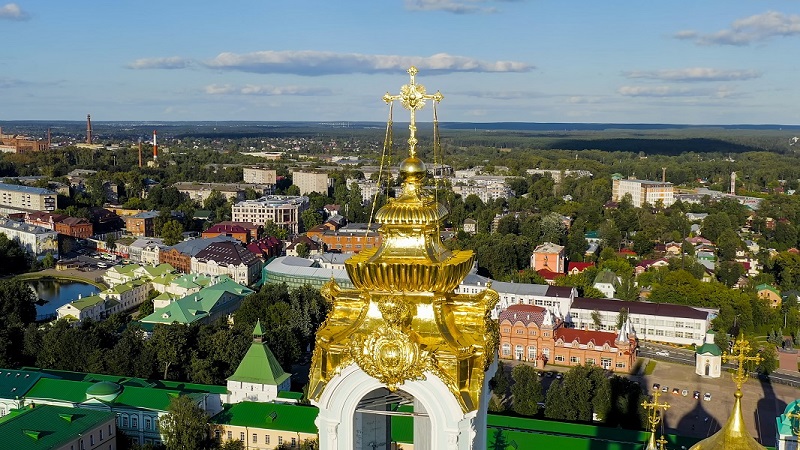
Most international flights land in Sofia, so it works well as a first base. Alexander Nevsky Cathedral, finished in the early 1900s, honours the Russian soldiers who died in the war that ended Ottoman rule, and its gold domes make it one of Bulgaria's famous landmarks. Sofia Old Town, around the cathedral and the Roman remains of ancient Serdica, is easy to cover on foot.
Boyana Church sits on the edge of the city, close to Vitosha Mountain. UNESCO listed it in 1979, and its frescoes date to 1259. Vitosha rises right behind the capital, so a mountain walk fits between meals.
Sofia rewards slowing down. A day and a half covers the main sights, and the city works best as a launch point for day trips from Sofia to Rila Monastery and the Seven Rila Lakes.
If you plan to start driving as soon as you arrive, booking your Sofia International Airport car rental in advance can make the pickup process easier and give you more time to begin your route.
Plovdiv: history you can walk through
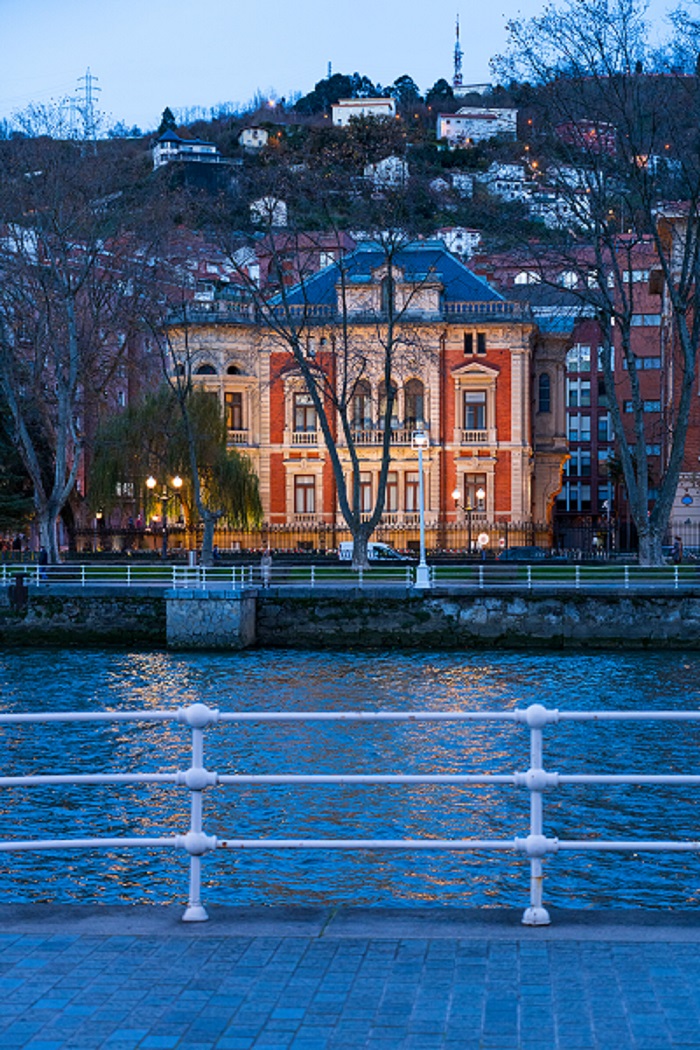
Plovdiv is the kind of city where history does not sit behind glass. A Roman theatre still stands in the middle of town, and Plovdiv Old Town's cobbled lanes climb past colourful Revival era houses, galleries and small cafés. The city was a European Capital of Culture in 2019.
It is often described as one of Europe's oldest continuously inhabited cities, and it sits about an hour and a half from Sofia by motorway, an easy second stop for couples and history lovers.
Veliko Tarnovo and medieval Bulgaria
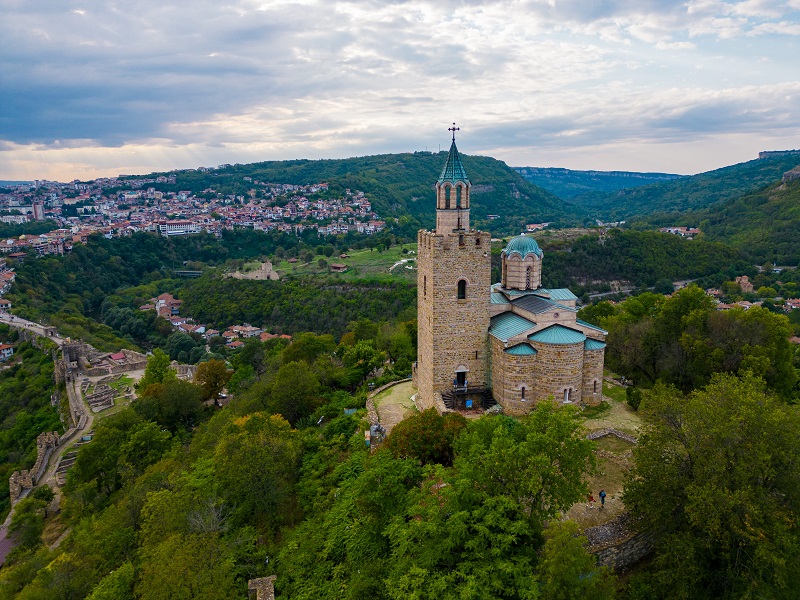
Veliko Tarnovo feels different from Bulgaria's modern cities. Old houses climb the hillsides, the Yantra River curves below, and Tsarevets Fortress recalls the Second Bulgarian Empire, when the city was the capital from the late 12th century until the Ottoman conquest in 1393. It is the best stop for medieval Bulgaria.It sits roughly three hours from Sofia, between Plovdiv and the coast. One night is enough.
Rila, Pirin and Bansko: Bulgarian Mountains
The Bulgarian mountains cover much of the interior. The Rila Mountains and Pirin Mountains give you two different days out: monastery and lakes, or hiking and skiing.
Rila Monastery: worth the detour
Monastery is a UNESCO World Heritage Site, listed in 1983, and the largest monastery in Bulgaria. Founded in the 10th century, it sits in a forested valley in Rila National Park, roughly two hours from Sofia by road. Its striped arches and painted porch look nothing like the country's city sights.
UNESCO notes that the monastery played an important role in the spiritual and social life of medieval Bulgaria, so it is a good place to understand Bulgarian Orthodox Christianity. Dress modestly, and start early, because tour groups tend to arrive late morning.
A rental car lets you pair the monastery with other stops in the Rila region. Mountain roads can be slower than they look on the map, especially around steep bends, so choosing between automatic and manual rental cars is worth considering before you book.
Seven Rila Lakes: the day hike
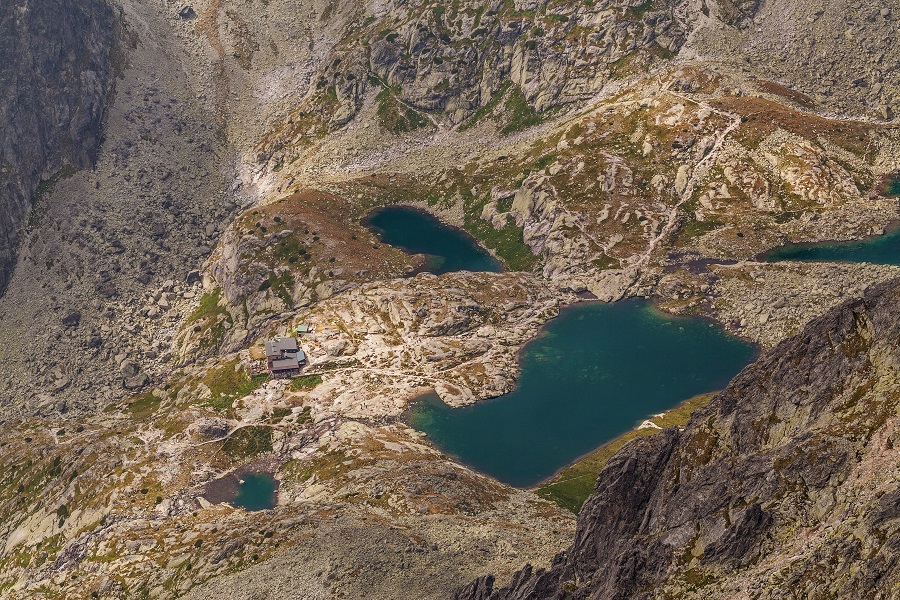
The Seven Rila Lakes are glacial lakes between about 2,100 and 2,500 metres in Rila National Park. A chairlift from Panichishte shortens the climb, and the loop past all seven lakes takes roughly three to five hours.Go early, since cloud can build by afternoon, and confirm the chairlift is running before you drive up. Rila Monastery and the lakes both sit in the Rila Mountains, and both deserve their own day.
Bansko and Pirin National Park
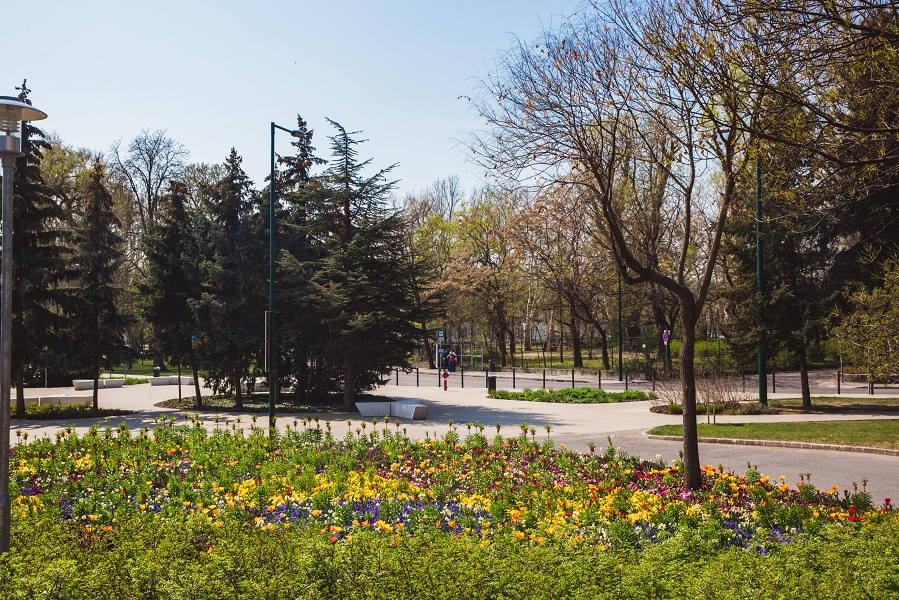
Bansko wears its mountain resort identity proudly. In winter it is a ski base at the foot of the Pirin Mountains, and in summer it is a walking base for Pirin National Park, another UNESCO listed area. The old town also has traditional taverns serving Bulgarian cuisine.
Bansko is about two and a half hours from Sofia. Mountain roads can be icy in winter, so see which cars suit winter and snow before you choose.
Bulgaria Tourist Attractions on the Black Sea Coast
The Black Sea Coast refers to Bulgaria's eastern shoreline, with Varna in the north, Burgas in the south and long stretches of Black Sea beaches in between. Summer brings the best beach weather, and the biggest crowds.
Nessebar and Sozopol
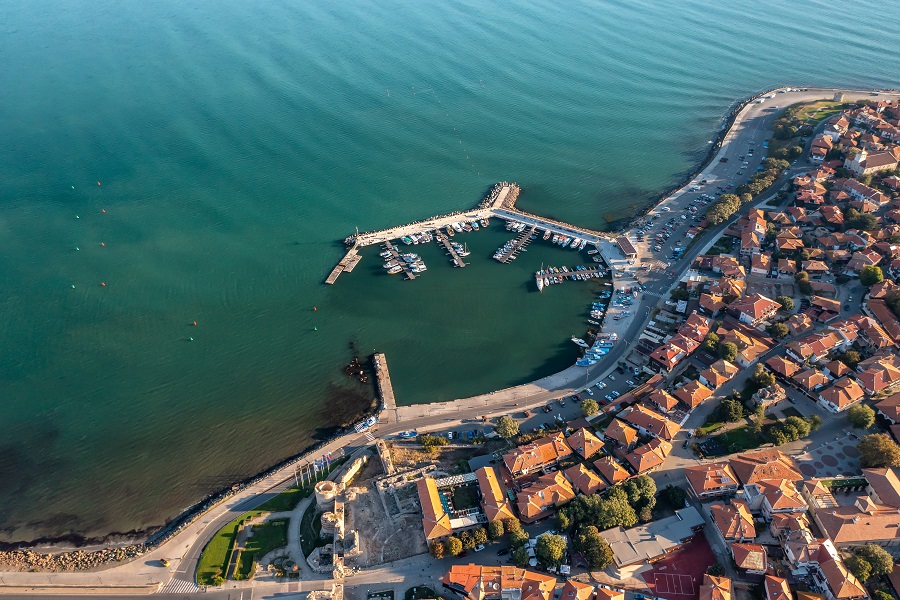
Nessebar is a UNESCO listed old town on a small peninsula, with cobbled lanes and medieval churches. It has more than three thousand years of history and, in July and August, a lot of day trippers, so arrive early or stay the night.Sozopol, further south, is quieter, with old wooden houses above the harbour.
Varna and Pobiti Kamani
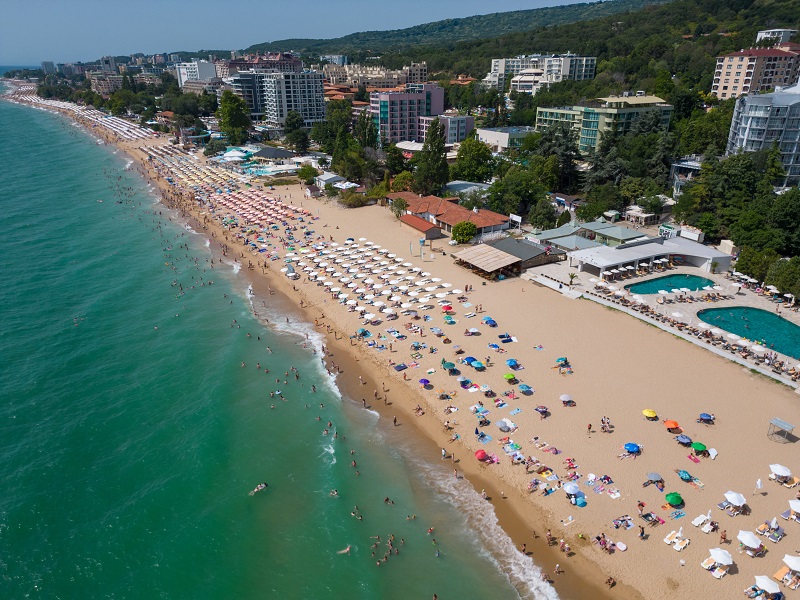
Varna is the largest coastal city, with a long sea garden and an archaeological museum known for its prehistoric gold. Pobiti Kamani, the Stone Forest, lies a short drive west, where natural stone columns rise out of sandy ground.Burgas and the busy resorts
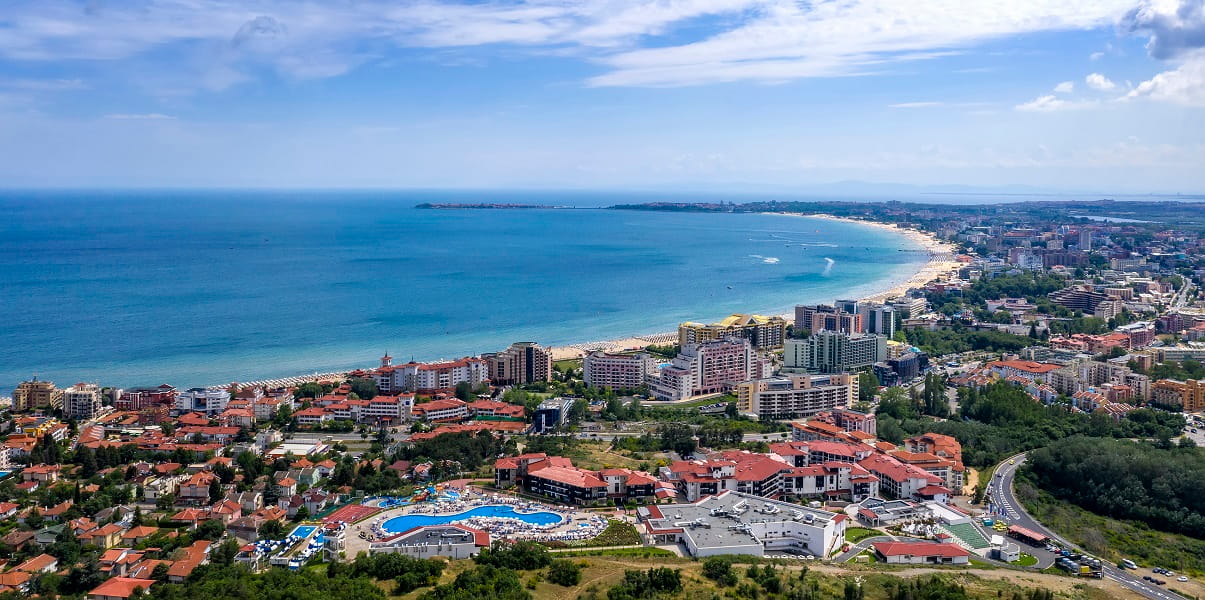
Burgas is a practical gateway for the southern coast and has an international airport. Sunny Beach, nearby, is packed with hotels, restaurants and nightlife, and it is one of the busiest parts of the coast in summer. For a quieter beach day, aim for the coast around Sozopol.
Best Historical Places to Visit in Bulgaria
Bulgaria's history is layered. Thracian tombs, Roman theatres, medieval fortresses and Revival houses often sit within a few hours of each other. Bulgarian historical sites include all of these, and you rarely need to drive far between them.
Thracians, the Rose Valley and Buzludzha
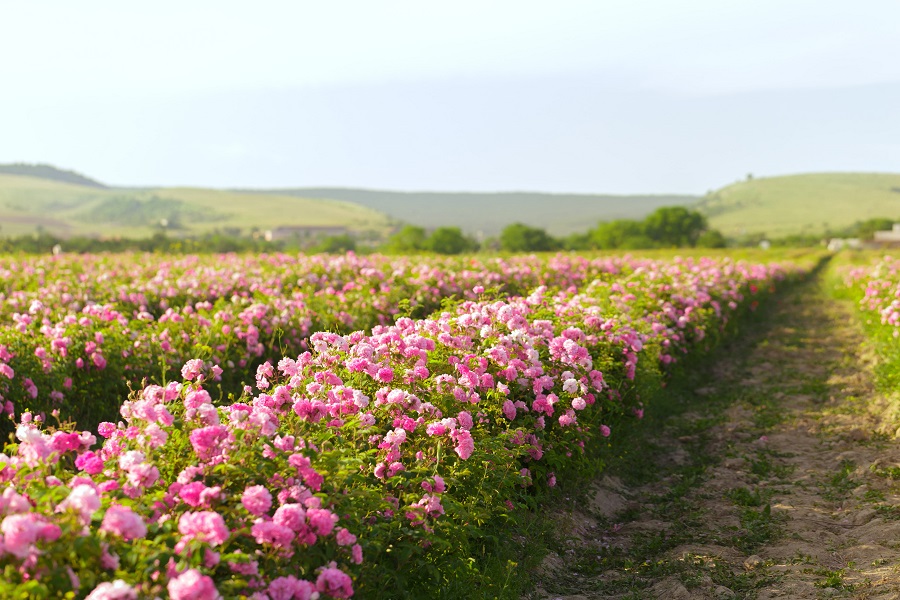
The Thracians left tombs and gold across the country. The Thracian Tomb of Kazanlak was UNESCO listed in 1979, and the original is protected, so ask locally how visitors see it. Kazanlak sits in the Rose Valley, where the fields bloom in late spring and a rose festival usually takes place in early June.
Roman ruins and ancient sites in Bulgaria
The Roman Empire shaped much of Bulgaria. Plovdiv's Roman theatre and the ruins of Serdica in Sofia are the easy Roman ruins in Bulgaria to visit. Near Petrich in the southwest, Heraclea Sintica suits travellers who like quieter ancient sites in Bulgaria. In the northeast, the Madara Rider, a rock relief carved in the late 7th or early 8th century near Shumen, is UNESCO listed and fits neatly on a drive between Veliko Tarnovo and Varna.
Koprivshtitsa and the National Revival
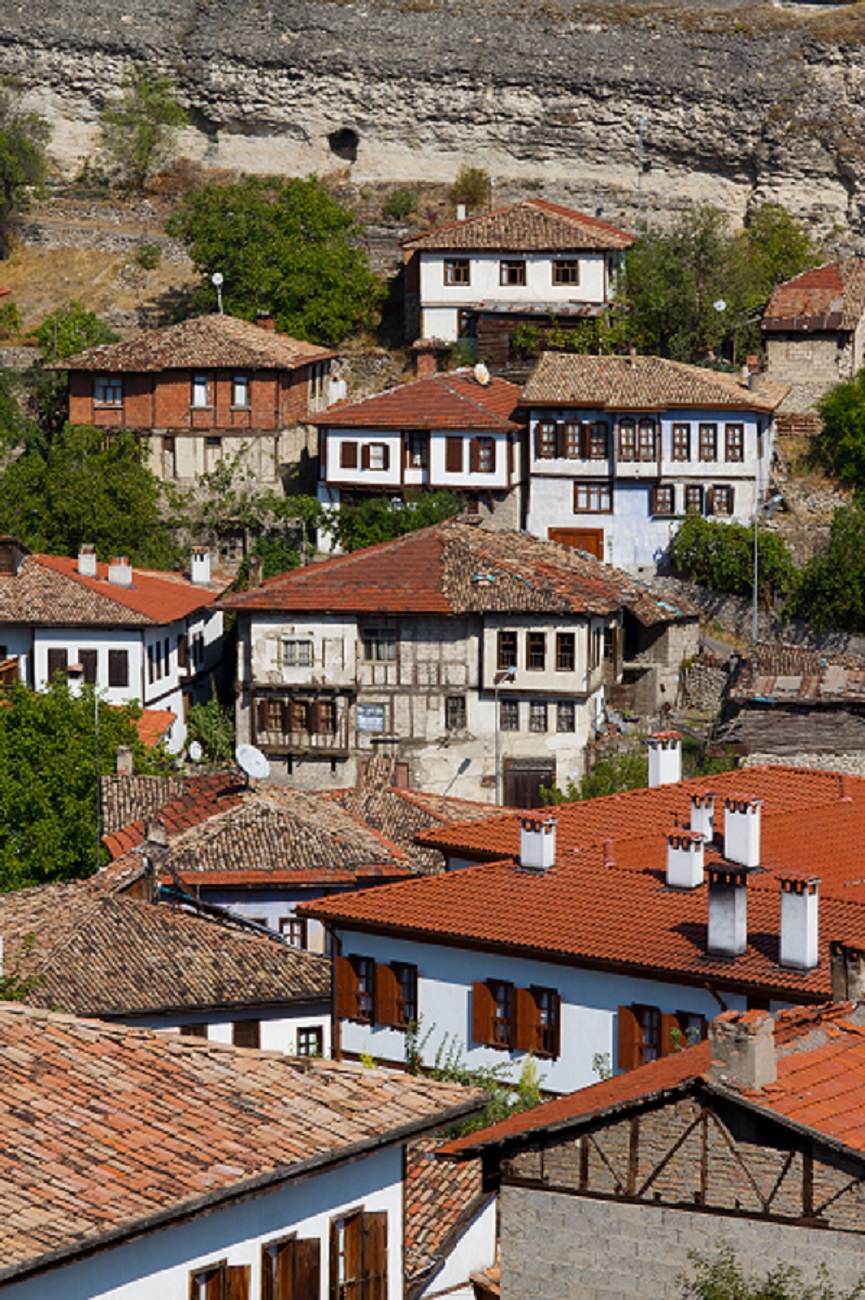
Things to See and Do in Bulgaria Beyond Cities
If you have a car, the most memorable things to see and do in Bulgaria are often outside the cities. Caves, gorges, rock formations and wine villages sit along small roads, and buses reach them slowly or not at all.
Rhodope caves and gorges
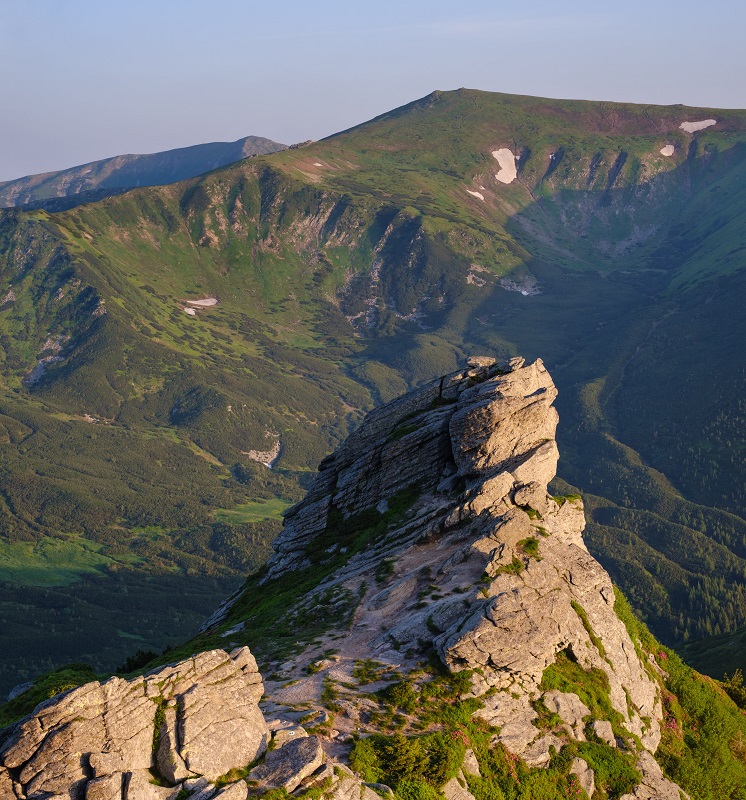
The Rhodope Mountains hold some of Bulgaria's best places of interest for nature lovers. Trigrad Gorge leads to Devil's Throat Cave, where an underground waterfall drops into a large chamber. Yagodina Cave and the Wonderful Bridges, a set of natural rock arches, sit in the same region.The catch is the driving. Roads twist, so stay a night in the region rather than treating it as a day trip from Sofia.
Devetashka, Magura and Belogradchik
In the north, Devetashka Cave near Lovech has a huge entrance and was used by people in prehistoric times. In the northwest, Magura Cave is known for prehistoric paintings, and the red sandstone Belogradchik Rocks rise around a fortress. Together they make a rewarding loop for anyone who likes Bulgaria attractions away from the crowds.
Villages, food and wine
Melnik, near the Pirin Mountains, is often called Bulgaria's smallest town, and its cellars make it a natural stop for Bulgarian wine. Bulgarian villages reward slow travel. A plate of Shopska salad with tomatoes, cucumbers and white cheese, or a flaky banitsa pastry for breakfast, is often the best part of the day.
Best Places to Visit in Bulgaria in Summer and Winter
Summer suits the coast and the high lakes, winter suits Bansko and Vitosha, and spring and autumn suit cities and villages. Where to visit in Bulgaria depends on the season, and the best time to visit Bulgaria depends on what you want to see.
Best time to visit Bulgaria by season
Spring, April to May: cities feel comfortable and crowds are light.
Summer, June to August: Black Sea beaches and the Seven Rila Lakes are at their best, though the coast is busy and hot.
Autumn, September to October: mild days, quieter sights and wine villages.
Winter, December to March: Bansko and Vitosha turn to skiing, and snow can affect mountain roads and lifts.
Things to see in Bulgaria in summer
Things to see in Bulgaria in summer include Nessebar and Sozopol at their liveliest, the Seven Rila Lakes with the trails clear of snow, and Pirin National Park in walking season. Start days early, because heat is common in cities.
Where to go in Bulgaria in winter
Bansko is the main winter destination, with Vitosha Mountain as the easy option from Sofia. Sofia and Plovdiv also work in colder months, since churches, museums and cafés are indoors. If you drive, winter driving in Bulgaria deserves extra attention, and it is worth confirming winter equipment with your rental provider.
How to Get Around Bulgaria
A rental car is the easiest way to reach Bulgaria, places to see that trains and buses serve slowly, such as mountain monasteries, caves and villages. For everything else, a self drive trip gives you control of your timing.
Is a Bulgaria road trip worth it?
Yes, if you like flexibility. A Bulgaria road trip links cities, mountains and the coast by car, usually over five to ten days. Motorways are quick, while mountain and village roads are slower. You can book a car rental in Bulgaria with FinalRentals before you land, so the car is ready when you are.
A compact car handles old town streets well. For more luggage or mountain routes, the right rental car type can make the journey easier. On long driving days, sharing the wheel can also help, especially when two people are comfortable driving. Travelling with children? Car seats should be arranged early, particularly during busy periods.
Pro Tip
Ask your rental provider whether the vignette is already registered to the car. If it is not, buy it online before your first motorway drive.
Vignette, speed limits and parking
Bulgaria uses a digital vignette instead of a windscreen sticker. According to IRU, new prices for cars started on 1 August 2026: 6.60 euros for a weekend, 10 euros for a week and 64.50 euros for a year. Confirm prices on the official Bulgarian toll website before you buy.
Speed limits for cars are 50 kilometres an hour in built up areas and 90 outside them. On motorways the limit is 130 or 140, depending on local signs. The drink drive limit is 0.05 percent, and parking in bigger towns often uses blue and green zones with paid tickets.
Licence, cover and deposits
Bring your driving licence and passport, and check whether your licence needs an international driving permit. Rules depend on where your licence was issued, so ask your rental provider before you fly. For border crossings, the notes on driving in Europe are a useful starting point.
Understand what your rental car insurance covers, because mountain roads and narrow village streets raise the odds of scrapes. Ask about the security deposit too, since some companies hold a larger amount than travellers expect. Check the fuel policy before you return the car.
Bulgaria Itinerary: A Seven Day Route
The Base and Loop Method
The Base and Loop Method means picking two or three bases and exploring each in short loops instead of changing hotels every night. For a first trip, use Sofia, Veliko Tarnovo and the coast, with each loop within about two hours each way.
The Drive Time Budget Rule
The Drive Time Budget Rule gives every stop a cost in hours. Under one hour costs almost nothing. One to two hours means one stop for the day. Over three hours is a full travel day. Cut a stop if most days need more than about three hours at the wheel. This is editorial guidance, not an official standard.
Best places to visit in Bulgaria for a week
This seven day route links the main highlights with drives of about two to three hours.
Step 1: Sofia. See Alexander Nevsky Cathedral, Sofia Old Town and Boyana Church.
Step 2: Rila Monastery. Leave early, then return to Sofia or stay nearby.
Step 3: Plovdiv. Drive about an hour and a half, then explore Plovdiv Old Town and the Roman theatre.
Step 4: Rose Valley to Veliko Tarnovo. Stop at Kazanlak and Shipka, then reach Veliko Tarnovo by evening. This is a long day.
Step 5: Veliko Tarnovo. Walk Tsarevets Fortress and the old town.
Step 6: Madara Rider and Varna. Drive east via Shumen, then see Varna and Pobiti Kamani.
Step 7: Nessebar and Burgas. Follow the coast south, then fly out of Burgas or Varna.
Because this route ends in a different place from where it starts, a one way rental can save a long drive back. It covers well over a thousand kilometres, so check the mileage limits too.
Example scenario: nine stops down to five
Original analysis: This is a planning scenario, not a customer story. A couple lands in Sofia with seven days and a list of nine stops.
Planning choice | Before | After |
|---|---|---|
Stops | Nine | Five: Sofia, Rila, Plovdiv, Veliko Tarnovo, Nessebar |
Longest drive day | About five hours | About three hours |
Free time | Almost none | A relaxed afternoon on most days |
The second plan sees less, yet the trip feels bigger because there is time to walk and eat.
Bulgaria Places to See: Top Options at a Glance
Option | Key Feature | Best For | Price or Cost | Rating (out of 5) |
|---|---|---|---|---|
Sofia and Rila Monastery | Boyana Church frescoes, cathedral, mountain monastery | First timers, culture, day trips | Low to moderate | 4.5 |
Plovdiv and Rose Valley | Roman theatre, Old Town, Thracian tomb, rose fields | History lovers, couples | Low to moderate | 4.5 |
Veliko Tarnovo | Tsarevets Fortress, medieval capital, river views | Medieval history, photography | Low | 4.0 |
Black Sea Coast | Nessebar, Sozopol, Varna, beaches | Summer holidays, families | Moderate in peak season | 4.0 |
Bansko and Pirin | Skiing, hiking, UNESCO national park | Active travellers, winter trips | Moderate in ski season | 4.0 |
Rhodope and northwest caves | Devil's Throat, Magura, Belogradchik Rocks | Nature lovers, road trippers | Low, but long drives | 3.5 |
Winner for a first trip: Sofia, Rila Monastery and Plovdiv combined, because they score well on history, ease by car and variety.
Our data: Ratings are FinalRentals editorial scores, not visitor surveys, based on four equal factors: history value, scenery, ease by car, and crowd risk. Cost labels are relative, not quoted prices.
Common Mistakes When Planning a Bulgaria Trip
Forgetting the vignette: Checks are automated, so ask your rental provider whether one is active.
Assuming the Buzludzha interior is open: Check the current status before you drive up.
Landing late with no pickup plan: Read how after hours pickup and drop off works before your flight.
Visiting Nessebar in peak weeks without a plan: Arrive early or stay overnight.
Frequently Asked Questions About Bulgaria Travel
What are the best places to visit in Bulgaria for first time visitors?
Sofia, Rila Monastery, Plovdiv, Veliko Tarnovo and Nessebar are the best places to see in Bulgaria on a first trip. Together they cover the capital, a UNESCO monastery, two historic cities and the coast. Add Bansko or the Seven Rila Lakes for mountains, and allow at least seven days.
What are the best places to visit in Bulgaria in summer?
Nessebar, Sozopol and the Black Sea beaches are the classic summer picks, while the Seven Rila Lakes and Pirin National Park are at their best for walking. Varna and its sea garden also make a good base. The coast gets crowded in July and August, so book early.
What are the best places to visit in Bulgaria in winter?
Bansko is the main winter choice for skiing, and Vitosha Mountain is the closest ski area to Sofia. Sofia and Plovdiv also suit colder months, with museums, churches and cafés indoors. Check road conditions and winter equipment before driving in the mountains.
What is the best time to visit Bulgaria?
The best time to visit Bulgaria for most travellers is late spring or early autumn, when cities feel comfortable and crowds are smaller. Summer suits beaches and hiking, and winter suits skiing. Choose the season first, then build the route around it, and allow extra time if you plan to drive in the mountains.
Is Bulgaria worth visiting?
Yes, Bulgaria is worth visiting if you want history, mountains and the sea in one trip. It has 10 UNESCO World Heritage properties. Mountain roads can be slow, so plan realistic drive times and give the countryside a few days.
Do you need a car to visit Bulgaria?
You can see Sofia and Plovdiv without a car, but a car makes the mountains, caves and villages far easier. Trains and buses link big cities, though they serve small places slowly. For a Bulgaria road trip, a rental gives you control of your timing.
How much does a trip to Bulgaria cost?
Costs vary by season, region and travel stle, so no single figure fits everyone. Plan for flights, accommodation, the vignette if you drive, and mountain lifts. A weekly vignette costs about 10 euros as of August 2026, and coastal prices often rise in July and August.
What is the difference between Sofia and Plovdiv?
Sofia is the larger capital with more sights, better flight links and easy day trips, while Plovdiv is smaller, more relaxed and built around its Old Town and Roman theatre. Many trips include both, about an hour and a half apart.
Your Bulgaria Trip Plan
The best places to visit in Bulgaria depend on the days you have, but three ideas hold for almost every trip. Start with Sofia, Rila Monastery and Plovdiv. Plan by driving time. Choose the season before the stops. Do that, and Bulgaria feels generous rather than rushed.
For the latest details on Bulgaria places to visit, bookmark this page. When you are ready to hit the road, you can book your next car rental with FinalRentals and start with a car that suits your route.
Next steps:
Decide how many days you have and pick two or three bases.
Check current vignette, licence and deposit rules with your rental provider.
Choose the season, then the book stays.
Quick Summary
Sofia, Rila Monastery, Plovdiv, Veliko Tarnovo and Nessebar suit most first trips.
Summer suits the coast, winter suits Bansko, and spring and autumn suit cities.
Confirm the vignette, licence rules and deposit before you drive.
About the Author
Jean Genevieve is a travel and car rental content specialist at FinalRentals, creating practical travel content that showcases partner locations worldwide. Her work focuses on helping international travellers understand rental requirements, driving considerations, road conditions, insurance and self drive planning before they travel.
Methodology:
This guide was verified against official EU and institutional sources, including the European Commission, the Council of the European Union, and UNESCO's World Heritage list, current as of September 2026. Figures for the euro transition, Schengen status, and vignette pricing were checked directly against primary sources. Drive times are approximate; confirm them in a navigation app before travel.