A Guide to Renting a Car and Driving in Spain
April 29th 2026
Driving in Spain comes with specific rules, requirements, and local customs. Whether you are a first-time visitor or a returning traveler, this guide covers everything you need to know about renting a car and driving in Spain.
We keep it clear, practical, and focused on what matters most to you.
Let's get started
Can I Drive in Spain with My Foreign License?
Visitors from the United States, Canada, the United Kingdom, Australia, and other non-EU countries can drive in Spain using their valid home country driver's license for up to six months from the date of entry.
Key requirements:
Your license must be current and not expired
Your license must be written in English or use the Latin alphabet
If your license is in another script (Arabic, Cyrillic, Asian characters), you must carry an International Driving Permit (IDP) alongside your original license
You must be at least 18 years old to drive in Spain (though most rental companies require drivers to be 21 or older)
Do you need an International Driving Permit?
While not always legally required for English-language licenses, many Spanish rental companies request an IDP as part of their policy. It is a small, inexpensive document that provides peace of mind. Obtain your IDP in your home country before traveling—you cannot get one in Spain.
EU/EEA license holders: If you hold a driver's license issued by an EU or EEA country, you can use it in Spain without an IDP for as long as it remains valid.
Long-term stays: If you plan to reside in Spain for more than six months, you must exchange your foreign license for a Spanish one through the Dirección General de Tráfico (DGT), Spain's traffic authority.
Which Side of the Road Do You Drive On in Spain?
Spain follows the standard European practice: you drive on the right-hand side of the road. The steering wheel is on the left side of the vehicle. If you are accustomed to driving in the UK, Australia, or Japan, this will require adjustment.
Essential reminders:
Stay in the right lane unless overtaking
Overtake only on the left
At roundabouts, traffic flows counter-clockwise; vehicles already in the roundabout have priority
Always signal your intentions clearly
Tip: When picking up your rental car, take five minutes to familiarize yourself with the controls—especially indicators, wipers, and headlights—as their positions may differ from what you are used to.
What Are the Speed Limits in Spain?
Speed limits in Spain are posted in kilometers per hour, or km/h. They are strictly enforced, so it is important to know them before you drive.
Here are the standard speed limits you will see across Spain:
In cities and towns:
The limit is usually between 20 and 50 km/h, depending on the type of street
On residential streets with only one lane in each direction, the limit is often 30 km/h
Near schools, playgrounds, or during roadwork, temporary lower limits apply—always watch for signs
On regular roads outside towns:
The standard limit is 90 km/h on conventional two-lane roads
These roads may have curves, hills, or occasional livestock crossings, so stay alert
On dual carriageways, called autovías:
The limit is 100 km/h
These roads have two lanes in each direction and are generally safer and faster than conventional roads
On motorways, called autopistas:
The limit is 120 km/h, which is the highest in Spain
These are modern, well-maintained highways with emergency lanes and regular service areas
Important reminders:
Always watch for electronic speed display signs—they show your current speed and the posted limit
Speed limits can change without warning, especially near villages, construction zones, or accident sites
When in doubt, slow down. It is better to be safe than sorry
How are speed limits enforced?
Spain takes speeding seriously. Police use several methods to catch speeders:
Fixed speed cameras on highways and in cities
Mobile radar units operated by police vehicles or officers on the roadside
Section control systems that calculate your average speed between two points—if you speed over that stretch, you will be fined
What happens if you get caught speeding?
Fines are issued by mail. If you are driving a rental car, the fine goes to the rental company first. They will then charge your credit card for the fine amount plus an administration fee, usually between €30 and €50.
Fines for speeding can range from €100 for minor violations to €600 or more for serious offenses. You may also lose demerit points from your license, which can affect your ability to drive in Spain or your home country.
Tip: Use your car's cruise control on highways to help maintain a steady, legal speed. And always keep an eye on road signs—they are your best guide to staying within the limit.
What Is the Alcohol Limit for Driving in Spain?
Spain maintains strict blood alcohol concentration (BAC) limits:
General drivers: Maximum 0.05% BAC (approximately one standard drink)
New drivers (first two years): Maximum 0.03% BAC (essentially zero tolerance)
Professional drivers (buses, trucks) Zero tolerance (0.00%)
Testing and penalties: Police conduct random breath tests throughout the country. Refusing a test is a serious offense.
Penalties for exceeding the limit include:
Fines ranging from €500 to €1,000
Loss of 4–6 demerit points from your license
Possible license suspension or criminal charges for high levels or repeat offenses
The safest rule: If you are driving, do not drink any alcohol. Spain has excellent public transport and affordable taxis for evening travel.
What Traffic Rules and Road Signs Should I Know?
Spain follows international road sign conventions, but learning a few local terms helps:
Key Spanish road signs:
"Ceda el paso" = Yield
"Prohibido adelantar" = No overtaking
"Velocidad máxima" = Maximum speed
"Zona de estacionamiento regulado" = Regulated parking zone
"Sentido único" = One-way street
Essential rules:
Seat belts: Mandatory for all passengers, front and rear
Child restraints: Children under 135 cm tall must use an approved child seat appropriate for their weight and age
Mobile phones: Handheld use while driving is illegal. Use hands-free systems only
Headlights: Required on all interurban roads at night and in poor visibility; daytime running lights are recommended
Winter equipment: In mountain regions, carrying snow chains may be mandatory during winter months (signposted)
Roundabouts: Vehicles already circulating have priority. Signal your exit. Do not stop inside the roundabout unless traffic is blocked.
How Do Toll Roads Work in Spain?
Spain has an extensive network of toll roads, known as "autopistas de peaje."
How tolls work:
Most toll plazas accept cash (Euros), major credit cards, and electronic tags
Some newer sections use free-flow tolling: cameras read your license plate, and you pay online within a set period
Electronic tags (like Via-T) are available for frequent users and can be rented with your car
Major toll routes:
AP-2: Zaragoza to Barcelona
AP-7: Mediterranean corridor (France to Andalusia)
AP-6: Madrid to Adanero
AP-41: Madrid to Toledo
Costs: Tolls typically range from €5 to €25, depending on distance. Budget accordingly for long-distance trips.
Tip: When planning your route via GPS, select "avoid tolls" if you prefer free roads—but note that journey times may increase significantly.
What Are the Parking Rules in Spanish Cities?
Parking in Spanish cities can be challenging. Here is what you need to know:
Types of parking zones:
Blue zones (Zona Azul). Paid parking for short stays (1–2 hours). Pay at meters or via mobile apps like ElParking or Telpark.
Green zones (Zona Verde) are reserved for residents; visitors may park for limited times at higher rates.
White zones: Free parking, often with time limits—check signs carefully.
Underground car parks: Secure but costly (€15–€30 per day in city centers).
Critical rules:
Never park on yellow lines (no stopping) or double yellow lines (no parking)
Do not block driveways, bus stops, or loading zones
In historic centers, access may be restricted to residents only—look for "Acceso Restringido" signs
Tip: Use park-and-ride facilities on the city outskirts and take public transport into the center. It is often faster and less stressful.
What Fuel Types Are Available and How Much Do They Cost?
Fuel types in Spain:
Gasolina 95 (Sin Plomo 95) Standard unleaded petrol—used by most rental cars
Gasolina 98: Higher octane, for performance vehicles
Diésel: Widely available; often slightly cheaper than petrol
GLP (LPG) Available at select stations: not all rental cars are compatible
Current prices (approximate, 2026)
Petrol 95: €1.45–€1.65 per liter
Diesel: €1.35–€1.55 per liter
Prices vary by region and are generally higher on islands and in remote areas
Finding fuel: Service stations ("gasolineras") are plentiful on highways and in towns. Many are open 24/7; others close at night or on Sundays in rural areas. Most pumps are self-service; pay inside or at the pump with card/cash.
What Are Road Conditions Like Across Spain?
Spain's road infrastructure is generally excellent, but conditions vary by region.
Main highways (autovías and autopistas)
Well-maintained, clearly marked, and safe
Feature emergency lanes, regular service areas, and good lighting
Ideal for long-distance travel
Secondary and rural roads:
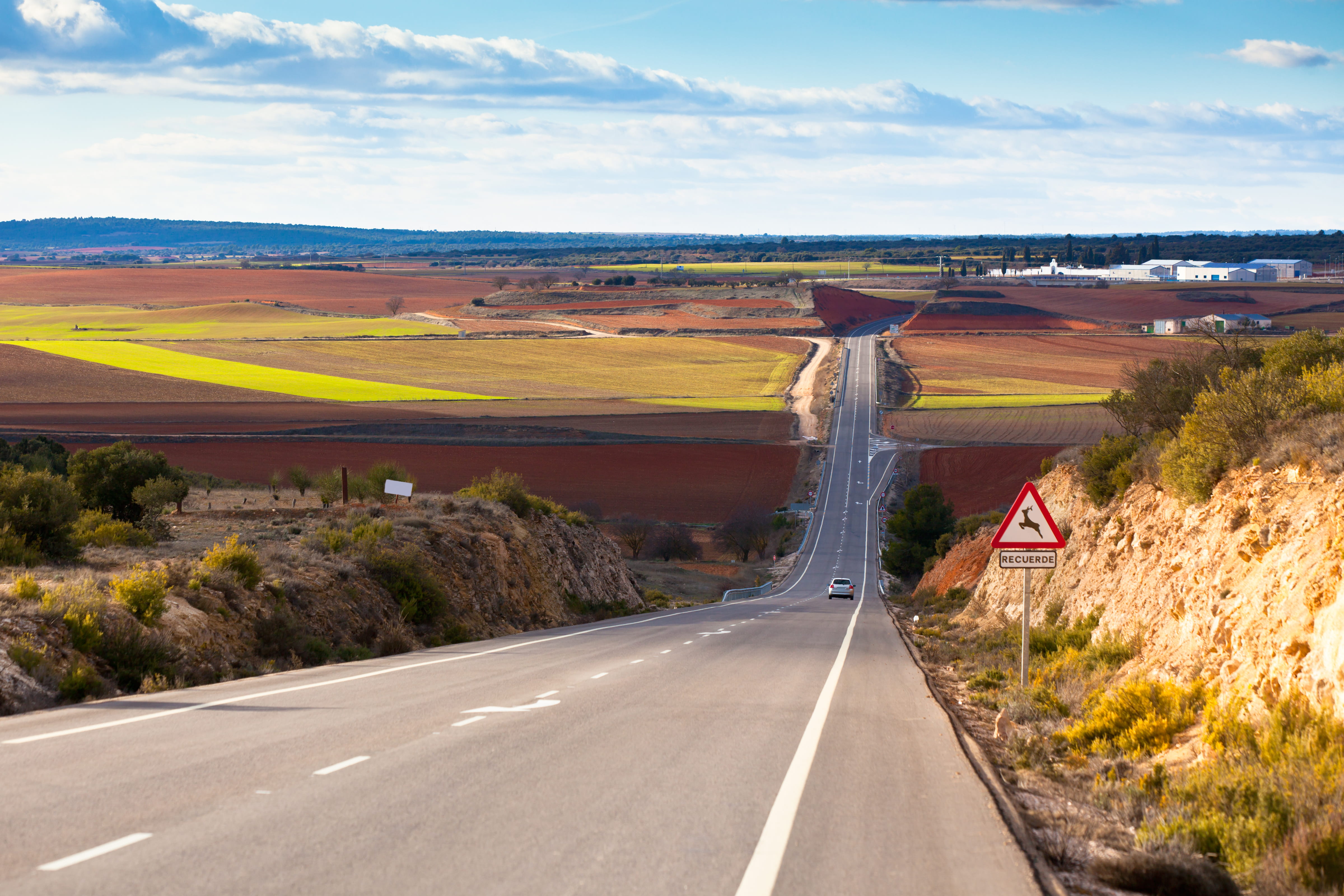
Often narrow and winding, especially in mountainous areas like Andalusia, Asturias, or the Pyrenees
May have potholes, limited shoulders, or occasional livestock crossings
Drive slower and stay alert
Island driving:
Balearic Islands (Mallorca, Ibiza) Good roads but heavy summer traffic; narrow lanes in old towns
Canary Islands: Mountainous terrain with steep, winding roads; frequent tunnels and viaducts; weather can change rapidly
Seasonal considerations:
Summer: Heavy tourist traffic on coastal routes; book rentals early
Winter: Snow and ice in northern mountains; carry chains if required
Spring/Autumn: Generally ideal driving conditions
What Should I Know About Driving in Spanish Cities?
City driving in Spain requires patience and awareness.
Madrid:
Low Emission Zone (Madrid Central): Restrictions apply to non-resident, high-emission vehicles—check your rental's environmental label
Heavy traffic during rush hours (8–10 AM, 6–8 PM)
Extensive underground parking; use apps like Parkimeter to reserve spots
Barcelona:
Low Emission Zone (ZBE): Similar restrictions to Madrid; diesel cars registered before 2006 may be prohibited
Narrow streets in the Gothic Quarter: consider parking outside and walking in
Excellent public transport—often faster than driving in the center
General city tips:
Expect scooters and bicycles sharing lanes—maintain safe distances
Pedestrians have priority at crosswalks; always yield
Avoid driving in historic centers where access is restricted
Use GPS, but stay alert for one-way systems and pedestrian zones
How Do I Drive Safely in Rural and Mountain Areas?
Exploring Spain's countryside and mountains is rewarding but requires preparation.
Mountain driving essentials:
Use lower gears when descending steep slopes to control speed
Watch for sharp bends, blind corners, and falling rocks
Check weather forecasts—fog, rain, or snow can appear suddenly
Carry water, a warm blanket, and a charged phone in remote areas
Rural road etiquette:
Slow down for agricultural vehicles, cyclists, and livestock
Use headlights during the day in low-visibility conditions
Pull over to let faster local traffic pass on narrow roads
Winter considerations:
In regions like the Pyrenees, Sierra Nevada, or Picos de Europa, snow chains may be mandatory (signposted)
Rent a 4x4 if planning extensive mountain travel
Verify that your rental insurance covers winter driving and chain use
Can I Drive a Rental Car Across Borders from Spain?
Cross-border requirements:
Notify the rental company at least 48 hours before travel
Ensure your rental agreement permits travel to your destination country
Carry your license, passport, rental documents, and a Green Card insurance extension if required
Check entry requirements for neighboring countries (France, Portugal, Andorra, Morocco via ferry)
Popular cross-border routes:
Spain to France via the Pyrenees: Scenic but mountainous; check border wait times
Spain to Portugal: Generally straightforward; similar driving rules
Spain to Andorra Mountain roads: winter equipment may be needed
Ferry to Morocco: Possible with prior authorization; additional insurance required
Fees: Cross-border travel often incurs a daily surcharge and may require additional insurance. Confirm all costs before departure.
What Happens If I Receive a Traffic Fine in Spain?
Spain enforces traffic laws rigorously.
Common fines:
Speeding: €100–€600 depending on severity, plus demerit points
Illegal parking: €80–€200
Mobile phone use: €200 + 6 demerit points
Not wearing a seat belt: €200 + 4 demerit points
Driving under the influence: €500–€1,000 + possible criminal charges
How fines are processed:
On-the-spot fines: Pay by card or at a bank; request an official receipt
Camera-issued fines: Mailed to the rental company, who forwards them to you with an admin fee (€30–€50)
Unpaid fines can lead to increased penalties, vehicle immobilization, or difficulties re-entering Spain
Your rights: You may contest a fine within 20 days through the DGT. Keep all documentation and seek legal advice if needed.
What Emergency Procedures Should I Follow?
Being prepared ensures a quick response if things go wrong.
Emergency numbers in Spain:
General emergency: 112 (police, ambulance, fire)
Traffic police (Guardia Civil): 062
Roadside assistance: Contact your rental provider's 24/7 helpline
In case of accident:
Stop safely and turn on hazard lights
Place a warning triangle 50 meters behind the vehicle (150 meters on highways)
Check for injuries; call 112 if medical help is needed
Exchange information with other parties: name, license, insurance, vehicle details
Take photos of the scene, vehicle positions, and any damage
Contact your rental company immediately—do not admit fault or sign documents without consulting them
Breakdown assistance:
Most rentals include 24/7 roadside assistance
Stay with your vehicle in a safe location; wait for help
Keep your rental agreement and insurance documents accessible
How Do I Rent a Car in Spain?
Renting a car in Spain through Final Rentals is straightforward when you know what to expect.
Before you book:
Choose the right vehicle: compact for cities, SUV for mountains, automatic if you prefer
Check insurance options and excess amounts
Confirm pickup/drop-off locations and hours
At pickup:
Present your license, IDP (if needed), passport, and credit card
Inspect the vehicle thoroughly for existing damage; photograph and note any issues on the rental agreement
Confirm fuel policy, mileage limits, and any geographic restrictions
Ask about emergency contact numbers and roadside assistance procedures
Understanding insurance:
Basic third-party liability is included by law
Collision Damage Waiver (CDW) and Theft Protection are optional but recommended
Consider "full coverage" to reduce your excess to zero—worth it for peace of mind
Verify whether your personal travel insurance or credit card offers rental coverage
Returning the car:
Refuel to the agreed level before returning
Allow time for a joint inspection with staff
Keep your rental agreement and return receipt until all charges are finalized
Book with confidence: Final Rentals Spain offers transparent pricing, well-maintained vehicles, and 24/7 support across major airports and cities.
Ask More About Renting a Car and Driving in Spain
Can I return my rental car to a different location in Spain?
One-way rentals are available between most major cities and airports. A drop-off fee usually applies (€50–€150 depending on distance). Book this option in advance to secure availability and pricing.
What should I know about low-emission zones (ZBE) in Spanish cities in 2026?
Many cities (Madrid, Barcelona, Valencia) have Low-Emission Zones that restrict older or high-polluting cars. Rental cars are usually allowed, but check the environmental label. Foreign plates may need online registration. Fines for entering without permission are automatic and expensive. Ask the rental company before driving into city centers.
Do I need special safety equipment in a rental car in Spain?
From 2026, a V-16 emergency flashing light beacon is mandatory instead of warning triangles for breakdowns. Rental cars should include it. You must also carry a reflective vest for each occupant. Always wear the vest if you step out of the car on the roadside.
Is it safe to drive at night or in winter in Spain?
Avoid night driving on rural roads—poor lighting and animals increase risks. In winter (especially in the mountains or the north), snow and ice appear; snow chains may be needed. Mountain roads can close. Check weather forecasts and allow extra time. Drive slower and keep headlights on in tunnels.
What happens if I get a traffic fine while driving a rental car in Spain?
Fines from cameras (speeding, ZTL, parking) go first to the rental company. They charge your credit card plus a high admin fee. You may get the fine weeks later. Pay quickly for a 50% discount in many cases. Always follow rules to avoid extra costs.
Final Checklist: Ready to Drive in Spain?
Before you hit the road, confirm these essentials:
Valid driver's license + IDP (if required)
Passport and credit card for rental pickup
Rental agreement and insurance documents in the car
Knowledge of speed limits and traffic signs
GPS or offline maps downloaded
Emergency numbers saved: 112, rental company helpline
Child seats are booked if traveling with young children
Fuel policy understood and planned
Cross-border permissions arranged if leaving Spain
Weather and road conditions checked for your route
At Final Rentals, we are committed to making your Spanish road trip seamless. We offer transparent pricing, modern vehicles, and local expertise to help you travel with confidence.
Whether you need a compact car for city exploration or a spacious SUV for mountain adventures, we have the right vehicle for your needs.