How Technology Impacts the Car Rental Industry

October 30th 2024
Updated 21 January 2026
The car rental industry has undergone significant changes in recent years, largely due to the advancements in modern technology. From booking to returning a rental car, technology has transformed every aspect, making the experience faster, easier, and more convenient.
For those who value simplicity and efficiency, car rentals are now easier to navigate, book, and use.
Let's discuss the technological impacts on the car rental industry.
How Technology is Redefining the Way of Renting a Car?
Seamless Booking with Mobile Apps and Online Platforms
Remember the days of calling multiple agencies, comparing rates over the phone, or waiting in line at an airport kiosk? Those are quickly becoming relics of the past. Today, over 75% of all car rentals worldwide are booked online or via mobile apps, and this number is projected to reach 85% by 2030.
For travelers, this shift means unprecedented control and transparency. With just a few taps, you can:
- Compare prices across dozens of providers in real time
- View high-resolution photos or even 360-degree virtual tours of available vehicles
- Filter by preferences (e.g., automatic transmission, SUV, child seat availability)
- See the exact pickup locations mapped on your screen
- Lock in rates instantly with no hidden fees
Apps like those offered by leading platforms—including Finalrentals—use your location, travel history, and even flight data to personalize suggestions. Arriving at the airport at 2 a.m.? The app might proactively notify you that your reserved vehicle is parked in Zone B, Row 12, with a digital key ready to unlock it. No queues. No paperwork. Just drive away.
Moreover, dynamic pricing algorithms—powered by predictive analytics—mean you might snag a discount for booking during off-peak hours or choosing a less popular model. These aren’t random deals; they’re smart incentives designed to match supply with demand while saving you money.
For frequent travelers, loyalty programs are now deeply integrated into apps, offering instant upgrades, priority service, or waived fees based on your rental history. The entire process feels less like a transaction and more like a curated service—designed around your habits and needs.
In 2025, the global car rental market stands at roughly USD 141 billion. Driven by rising travel demand and mobility trends, the market is forecast to surpass USD 348 billion by 2035, growing at a steady CAGR of about 8.7%.
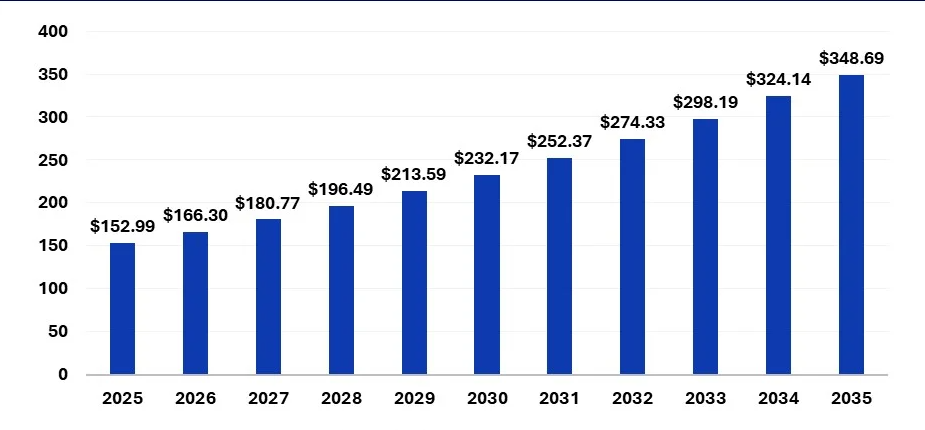
As the world moves forward, Finalrentals has been investing significantly in developing a user-friendly car rental app, allowing users to reserve a rental vehicle online, view details, and check availability based on destination and dates.
Contactless Rentals and Self-Service Kiosks: Convenience Redefined
The pandemic may have accelerated the adoption of contactless services, but travelers have embraced them for good reason: they save time, reduce stress, and offer 24/7 flexibility.
In 2025, 60% of renters actively chose contactless options, and in major urban hubs like New York, London, and Dubai, that figure exceeds 70%. Here’s how it works from your perspective:
After booking, you receive a digital confirmation with a QR code or Bluetooth-enabled “digital key.” Upon arrival at the rental lot:
- Scan the code at a self-service kiosk (or use your phone’s camera)
- Verify your ID via secure facial recognition or document upload
- Receive instant access to your vehicle—no human interaction required
Many modern rental cars now feature keyless entry systems linked directly to your smartphone. Simply approach the car, unlock it via the app, start the engine, and go. Returning the vehicle is equally simple: park in the designated zone, lock the car through the app, and confirm the drop-off. The entire process can take under five minutes, compared to the traditional 15–20 minutes spent at a counter.
This is especially valuable for:
- Late-night or early-morning arrivals
- Business travelers on tight schedules
- Families juggling luggage and children
- Solo travelers seeking minimal interaction
While some older travelers may initially find the tech daunting, most platforms now offer hybrid support—on-demand video calls with agents or optional in-person assistance—ensuring no one is left behind. As 5G networks expand globally, identity verification and data transfer will become even faster, making contactless rentals the default rather than the exception.
Improved Vehicle Tracking and Management with IoT Technology
Once you’re behind the wheel, technology continues to enhance your experience—often without you even noticing. Thanks to the Internet of Things (IoT), rental vehicles are now intelligent, connected machines that prioritize your safety and convenience.
Embedded sensors monitor everything from tire pressure and oil levels to battery health and fuel consumption. If an issue arises—say, low coolant or a flat tire—the car’s system can alert you via the dashboard or your rental app. More importantly, it simultaneously notifies the rental company, which can dispatch roadside assistance with precise knowledge of your location and problem.
In 2025, fleets equipped with IoT reported 25% fewer breakdowns and 15–20% lower maintenance costs—benefits that translate into more reliable vehicles and potentially lower rental rates for you.
But IoT isn’t just about fixing problems—it’s about preventing them. Predictive maintenance means your rental car is far less likely to stall on a remote highway. Real-time GPS tracking ensures help arrives quickly if needed. And for peace of mind in unfamiliar cities, many apps now integrate live traffic updates, accident alerts, and even parking availability.
Privacy concerns are valid, but reputable companies use end-to-end encryption and give you control over data sharing. Most systems only collect operational data—not personal driving behavior—unless you opt in for features like mileage-based insurance or eco-driving tips.
Looking ahead, as smart city infrastructure grows, your rental car could soon suggest optimal routes based on traffic light patterns, air quality, or even event schedules—turning navigation into a truly intelligent experience.
AI-Powered Customer Support: Faster Help When You Need It
Lost your reservation email? Need to extend your rental due to a delayed flight? Wondering if snow tires are included in Oslo in January?
In the past, these questions meant waiting on hold or hunting for an open counter. Today, AI-powered chatbots handle 85% of customer inquiries instantly, 24 hours a day, in multiple languages.
These aren’t robotic scripts. Modern AI uses natural language processing to understand context. Ask, “Can I upgrade to a larger car for my ski trip?” and it might respond: “Based on your booking to Aspen next week, we have a Subaru Outback with roof rails available for $12 more per day. Would you like to switch?”
Even better, AI learns from your history. If you always rent hybrids in California or request infant seats in Europe, it will remember and suggest accordingly. In cases of flight delays, some systems now automatically adjust your pickup window without you lifting a finger.
For complex issues—like insurance claims or damage disputes—AI seamlessly transfers you to a human agent, along with your full interaction history. This eliminates the frustration of repeating yourself and speeds up resolution by up to 40%, according to industry data.
For international travelers, this round-the-clock support is invaluable.
Smart Vehicle Integration: Digital Dashboards and In-Car Wi-Fi
Modern rental cars now feature innovative vehicle technology that enhances the driving experience. Digital dashboards, in-car Wi-Fi, and smart assistant features are increasingly common in rental vehicles, making it easier to access maps, check traffic, and stream entertainment during long drives.
For families or those on business trips, in-car Wi-Fi is especially useful, providing entertainment for children or productivity options for professionals on the go.
Many rental companies now offer models equipped with Apple CarPlay or Android Auto, so you can sync your device seamlessly and make navigation simpler.
A survey found that over 70% of travelers prioritize rentals with in-car Wi-Fi, as connectivity makes it easier to navigate, explore local attractions, and stay connected during their trip.
Electric Vehicles (EVs) in Car Rentals: Eco-Friendly Options
The rise in electric vehicles (EVs) is changing car rental options, allowing environmentally-conscious travelers to choose more sustainable rentals. With companies like Avis and Hertz introducing EVs into their fleets, you can now have greener choices that reduce their carbon footprint and save on fuel costs.
By 2025, EVs are projected to make up about 20% of the rental fleet in major cities.
Hertz offers several EV options, from Tesla to Nissan Leaf, giving travelers choices that support green travel and cutting-edge technology.
EV rentals are often cost-effective as they eliminate fuel costs, and charging stations are becoming increasingly accessible in popular tourist locations.
Autonomous Vehicles and the Future of Car Rentals
The role of autonomous vehicles (AVs) is rapidly shifting from science fiction to a real force reshaping the car rental world. Today, almost half of car rental companies are planning to add self-driving cars to their fleets within the next few years — a major sign that this technology isn’t just on the horizon, it’s becoming a core part of strategy.
Why does this matter? First, autonomy promises a much smoother customer experience. Instead of waiting at a counter or picking up keys, customers may soon summon a driverless car via an app that drives itself to them. Industry data shows that many companies expect fully autonomous rental processes to be possible by 2030, with AI and robotics handling everything from booking to drop-off.
From a business perspective, AVs can cut costs too. Operating expenses like driver labor, idle time, and maintenance overhead can shrink when vehicles manage themselves and are tracked in real time. Forecasts suggest that autonomous tech could reduce fleet operating costs by up to 40% by 2035.
Safety and convenience are also part of the future story. AVs are built to reduce human error — one reason many see them as a path to fewer accidents and smoother journeys. Plus, they dovetail with electric vehicle trends and sustainability goals, since most autonomous fleets will be electrified.
That said, challenges remain. Regulations, technology maturity, and consumer trust aren’t solved overnight. But the industry is moving fast: partnerships between AV developers and big rental firms are already forming, hinting that in a decade, self-driving car rentals may be normal rather than novel.
Data and Predictive Analysis for Tailored Rental Experiences
Behind every smooth experience is a layer of intelligent data analysis. Rental companies now use predictive analytics to anticipate your needs before you even ask.
By analyzing millions of bookings, they can:
- Recommend a minivan for a family of five traveling to Orlando
- Suggest a rugged SUV for a winter trip to the Alps
- Offer discounts on convertibles during sunny weekends in Barcelona
This isn’t guesswork—it’s pattern recognition at scale. In 2025, 65% of rental firms used data-driven personalization, resulting in higher satisfaction and fewer last-minute changes.
For you, this means fewer surprises and more relevant options. Over time, your preferred settings—seat position, climate control, even music genre—could be saved and auto-applied to future rentals, creating a truly “your car” experience, even when it’s not yours.
At Final Rentals, we don’t just collect data — we act on it with purpose. Our platform analyzes your preferences, past rentals, and even your rental context (like city travel vs. road trips) to suggest vehicles and add-ons tailored to your trip.
If you’re heading to rugged terrain, an SUV or 4×4 will be highlighted; going on a business trip? We’ll point you toward fuel-efficient sedans and streamlined pickup options.
We use predictive insights not only for pricing but to enhance pickup locations, recommend ideal drop-off points, and offer meaningful extras like GPS, insurance packages, or Wi-Fi based on what similar customers chose. This makes the experience feel personal, not generic.
FAQs About Technological Impact on the Car Rental Industry
How has technology simplified car rental bookings?
Technology has shifted most rentals online through apps and websites, allowing users to book, compare prices, and manage reservations instantly. Real‑time availability and instant confirmation make the process faster and clearer. Digital check‑ins and e‑signatures eliminate long lines and reduce errors, saving time and hassle for travelers everywhere.
What is the impact of contactless car rentals?
Contactless rentals use digital verification and mobile access, so you can complete ID checks, sign contracts, and unlock vehicles without interacting with staff. This responds to safety and speed demands, especially in busy locations. The result is a smoother pickup and return experience with fewer delays and higher convenience.
How has IoT enhanced car rental safety?
IoT (Internet of Things) links cars to cloud systems that monitor location, performance, and maintenance needs in real time. This improves safety by anticipating system issues, reducing breakdowns, and enabling remote diagnostics. It also supports GPS tracking and emergency alerts, giving travelers confidence on unfamiliar roads.
What role does AI play in customer service?
AI automates support with chatbots and virtual assistants that answer questions, guide bookings, and resolve basic issues 24/7. Many companies report improved customer satisfaction and faster responses driven by AI. Predictive AI tools also suggest vehicle choices and pricing options based on patterns and preferences.
How do digital dashboards and in‑car Wi‑Fi improve rental experiences?
Digital dashboards centralize navigation, driving data, and vehicle settings into intuitive interfaces. In‑car Wi‑Fi keeps passengers connected for work, navigation, or entertainment. This tech enhances comfort, productivity, and safety, especially on longer trips or family travel.
How is data analytics used to enhance services?
Data analytics helps rental companies forecast demand, optimize pricing, and personalize offers. By analyzing booking patterns and travel trends, companies can adjust fleets and recommend the right vehicles for specific trips, improving rental satisfaction and efficiency.
How do self‑service kiosks streamline pickup?
Self‑service kiosks let customers verify identity, confirm reservations, and get vehicle access without queues or staff. These terminals operate around the clock and shorten waiting times, especially in airports and high‑traffic hubs. Ease of use boosts convenience for early or late travelers.
What are the benefits of electric vehicles (EVs) in rentals?
EVs in rental fleets offer quieter rides, lower running costs, and reduced emissions — attractive to eco‑minded travelers. As charging infrastructure grows, these vehicles become practical for urban and road trips, contributing to sustainability goals and cost savings.
How does GPS tracking improve convenience?
GPS tracking gives renters real‑time directions and route guidance, reducing stress in unfamiliar areas. Rental operators can support drivers with traffic alerts and safety tracking. This technology also helps companies monitor fleet usage and locate vehicles quickly if needed.
Will autonomous vehicles change rentals?
Autonomous vehicles are on the horizon and could simplify driving with hands‑free navigation and safety features. Deployment is gradual, focusing first on driver assistance and safety enhancements. Over time, this tech may redefine convenience, offering new ways to explore without manual driving.
How does dynamic pricing benefit renters?
Dynamic pricing uses demand data, seasonality, and market trends to adjust rental rates in real time. This means prices reflect actual demand, offering competitive deals during low seasons and fair pricing during peaks, ultimately maximizing availability and value for travelers.
What role does predictive maintenance play?
Predictive maintenance uses data from vehicle sensors to forecast service needs before failures occur. This boosts fleet reliability, reduces breakdowns, and lowers downtime. Renters benefit from safer, well‑maintained cars with fewer unexpected issues.
How does mobile payment tech enhance rentals?
Mobile payment solutions allow secure, contactless payments and digital receipts, eliminating cash or card handling and accelerating checkout. These features support diverse payment preferences and enhance convenience, security, and speed.
What impact does cybersecurity tech have on rentals?
Advanced encryption and authentication protect customer data and transactions. Automated systems monitor for fraud and unauthorized access, improving trust and safety. As rentals become more digital, strong cybersecurity becomes essential to protect sensitive information.
How do technology trends shape future services?
Emerging trends like telematics, AI, and mobile access are reshaping business models and service expectations. These innovations make rentals more efficient, personalized, and responsive. As technology advances, rentals will become even smoother, predictive, and tuned to individual traveler needs.
Final Thoughts
The technological impacts on the car rental industry have redefined convenience, safety, and personalization for travelers.
For those who value ease, technology ensures a smoother rental experience—from mobile bookings to seamless car returns.
As we look toward the future, expect more innovations, including autonomous rentals and sustainable options, to make renting a car even more traveler-friendly.
For now, these advancements are making it easier, faster, and more convenient for travelers to hit the road with confidence. Whether you’re on a family vacation or a solo adventure, the impact of technology on the car rental industry ensures a more enjoyable and memorable journey.
About Final Rentals
Finalrentals is your trusted partner for an easy, tech-driven car rental experience wherever you travel. With our extensive car rental network across cities worldwide, we bring the latest in convenience—contactless rentals, real-time GPS, and a wide selection of vehicles to match your needs.
Our user-friendly platform ensures quick and simple car rental bookings, competitive prices, and 24/7 support, making car rental simpler than ever. Whether you're looking to explore a new city or make your business trips smoother, Finalrental is here to get you there effortlessly.