Experience Saudi Arabia in 2026: Culture, Adventure and the Freedom to Explore
February 6th 2026
Today, Saudi Arabia is no longer a nation defined solely by its energy wealth, but by its bold vision to become one of the planet’s most dynamic and diverse travel destinations.
And at the heart of this revolution is a clear ambition. Speaking on the sidelines of the World Economic Forum in Davos, His Excellency Ahmed Al Khateeb, Saudi Arabia’s Minister of Tourism, told Euronews: “The tourism industry is a powerful connector of countries—and Saudi Arabia hopes to attract 150 million visitors per year by 2030.” That’s not just a goal; it’s a declaration of intent.
And with over 122 million visitors already welcomed in 2025, the momentum is undeniable.
For travelers planning a trip in 2026, this means you’re arriving at the perfect moment—when infrastructure is mature, experiences are polished, and the Kingdom is wide open for discovery.
What Makes Saudi Arabia the Best Tourist Destination in 2026 and Beyond?
A Nation Reimagined: From Heritage to Hyper-Modernity
Saudi Arabia’s tourism strategy under Vision 2030 is nothing short of revolutionary. After decades of economic reliance on oil and gas, the Kingdom is now investing billions into creating a globally competitive, culturally rich, and environmentally conscious tourism ecosystem.
You can feel this shift everywhere:
- In AlUla, the haunting beauty of Hegra—the Saudi equivalent of Petra—stands as a UNESCO World Heritage site amid red-rock canyons.
- In Diriyah, the historic birthplace of the Saudi state, is now being reborn as a cultural capital with luxury hotels like Aman Wadi Safar opening their doors.
- Along the Red Sea coast, where eco-luxury resorts are rising on pristine islands, designed with regenerative tourism principles that protect marine life while offering unparalleled guest experiences.
- In NEOMand Qiddiya, where the future is being built in real time—think linear cities, entertainment megaprojects, and adventure parks that rival anything in the world.
This isn’t just development; it’s curation. Every new hotel, trail, or experience is designed to tell a part of Saudi Arabia’s layered story—past, present, and future.
Hospitality Boom: World-Class Stays for Every Traveler
The hospitality surge is staggering. International giants like Marriott, Hilton, Accor, and Amanare are planting flags across the Kingdom, while homegrown brands are adding authentic local flavor. Whether you’re seeking a five-star resort in Riyadh, a boutique riad in Jeddah’s historic Al-Balad district, or an eco-lodge in the Asir Mountains, options abound.
New properties aren’t just about comfort—they’re about cultural immersion. Many integrate traditional Najdi architecture, serve regional cuisine, and offer curated experiences like Arabic coffee ceremonies or guided stargazing in the desert. The service standards have also been elevated to meet global expectations, ensuring that every stay feels both luxurious and genuinely welcoming.
But here’s the catch: Saudi Arabia is vast. Distances between major attractions can be hundreds of kilometers. A hotel in Jeddah won’t help you explore the Edge of the World near Riyadh. A resort in the Red Sea Project won’t get you to the rock art of Hail. To connect these dots, you need your own wheels.
Beyond the Cities: Nature, Adventure, and Soulful Escapes
One of the most exciting shifts in Saudi tourism is its move beyond urban centers. The Kingdom is actively promoting eco-tourism, desert adventures, and mountain getawaysas core pillars of the visitor experience.
- Hiking through juniper forests in the cool highlands of Abha.
- Snorkeling among coral reefs in the crystal-clear waters off Umm Al-Qamari Island.
- Camping under a blanket of stars in the Empty Quarter (Rub’ al Khali), the world’s largest sand desert.
- Exploring traditional villages like Rijal Almaa, where centuries-old stone houses cling to mountain slopes.
These experiences demand flexibility. Public transport between such remote sites is limited. Organized tours exist, but they often follow rigid schedules and miss hidden gems. What if you want to linger longer at a sunset viewpoint? Or detour to a local market you spotted on the map?
Smoother Journeys: Enhanced Infrastructure for Global Visitors
Saudi Arabia has made remarkable strides in making travel easier for international guests:
Visa processesare now fully digital and available on arrival for citizens of dozens of countries.
Airports in Riyadh, Jeddah, and Dammam have been expanded with dedicated tourist lanes and multilingual staff.
Tourist information centersoffer maps, cultural guidance, and activity bookings.
New direct flights—like Singapore Airlines’ nonstop route to Riyadh launching in June 2026—are connecting the Kingdom to the world faster than ever.
Pilgrimage Meets Discovery: Spiritual and Cultural Depth
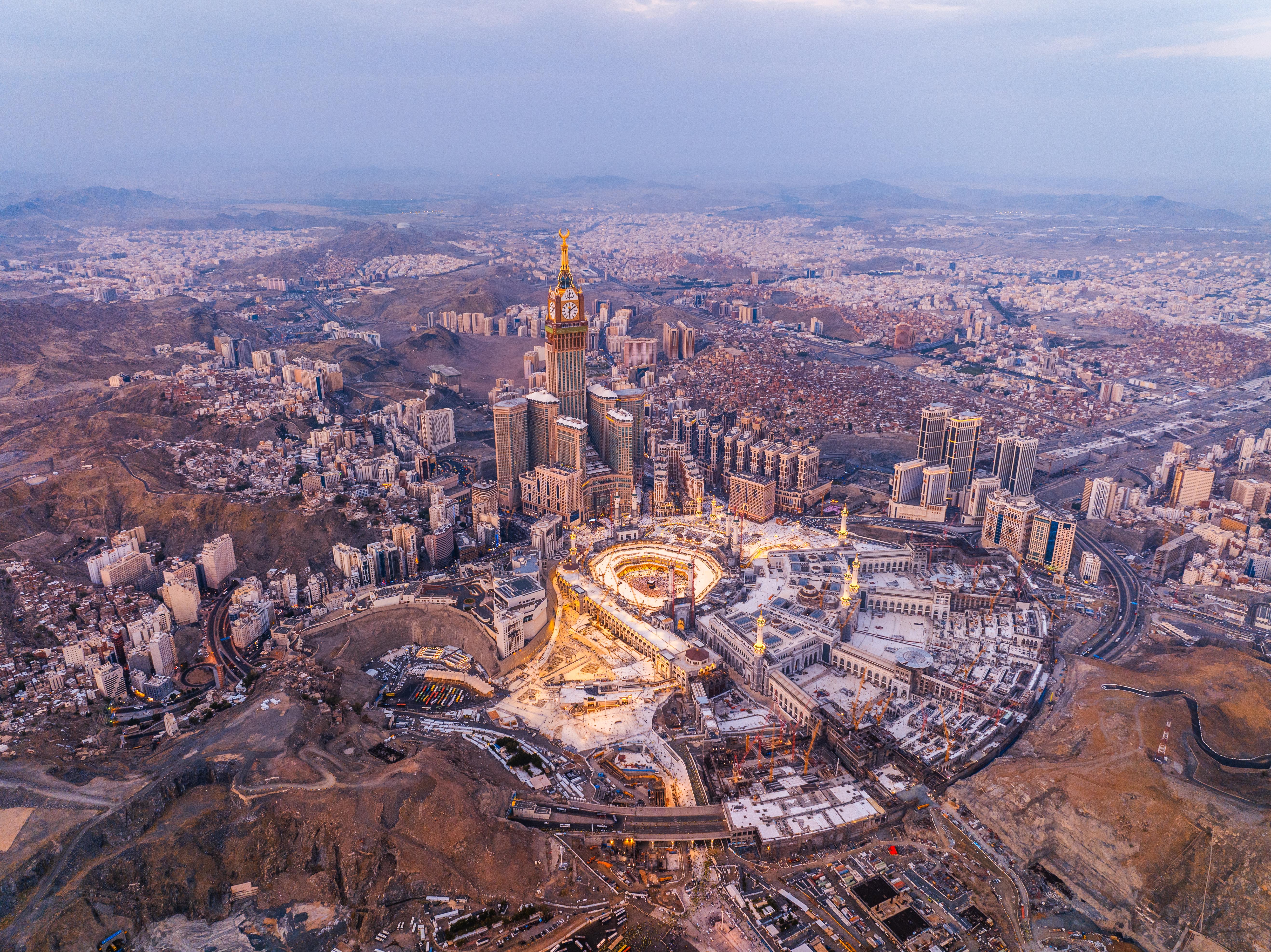
While Makkah and Madinah remain the spiritual heart of the Kingdom—drawing millions for Hajj and Umrah each year—Saudi Arabia is also inviting visitors to explore its broader cultural tapestry.
From the bustling souks of Jeddah to the contemporary art galleries of Riyadh, from camel festivals in the desert to traditional music performances in heritage villages, there’s a rich cultural calendar year-round. Museums like the National Museum in Riyadhand the King Abdulaziz Center for World Culture (Ithra)offer in-depth explorations of Arabian history, science, and art.
This Year Marks a Sweet Spot in Saudi Arabia’s Tourism
- The infrastructure is ready.
- The experiences are refined.
- The welcome is warm.
- And the world is finally paying attention.
As the article notes: “2026 is set to be a landmark year… The Kingdom offers more than just destinations—it promises experiences that linger long after the journey ends.”
But to make those experiences truly yours—to craft a personal narrative rather than follow a script—you need control over your itinerary. You need to be able to say, “Let’s drive to that mountain village we read about,” or “What’s down that unmarked road?”
Final Rentals: Your Key to Effortless, Affordable Mobility
We understand that renting a reliable and affordable car in a new country can feel intimidating. Hidden fees, confusing insurance terms, and language barriers—these are real concerns. That’s why we’ve built a service that strips away all the friction.
Simple, Transparent Booking
Our digital platform lets you compare vehicles—from compact city cars to rugged 4x4s—across trusted local suppliers in seconds. See the total price upfront, with no surprise charges at pickup.
Nationwide Coverage
You can book a car rental at major Saudi Arabian international airports, Jeddah, Dammam, or even Tabuk near NEOM. We connect you with vetted rental partners nearby. Need a one-way drop-off? We’ve got options for that, too.
Built for Real Travelers
Planning a family trip? We offer child seats and spacious SUVs. Going solo on a desert expedition? We’ll match you with a reliable off-road vehicle. Our fleet is curated for the realities of Saudi terrain and travel stles.
Local Knowledge, Global Standards
We partner only with licensed, professional suppliers who understand both local driving norms and international traveler expectations. You get a clean, well-maintained car and responsive support if you need it.
Affordability Without Compromise
By cutting out middlemen and leveraging our network, we deliver competitive rates that make independent travel accessible—not a luxury.
At Final Rentals Saudi Arabia, we provide freedom to explore a coastal road at sunset without worrying about missing a shuttle. The freedom to truly live your trip, not just visit it.
Frequently Asked Questions
Is Saudi Arabia a welcoming destination for first-time visitors in 2026?
Saudi Arabia has transformed into a highly accessible and visitor-friendly nation. With streamlined e-visas, English signage, and a national focus on hospitality, first-timers find it easy to navigate. The culture blends deep-rooted tradition with modern openness, making travelers feel both respected and intrigued.
What makes Saudi Arabia unique compared to other global destinations?
Saudi Arabia offers a rare blend: ancient heritage sites like AlUla alongside futuristic projects like NEOM. You can explore Red Sea coral reefs by day and dine in a Riyadh skyscraper by night. It’s a place where millennia of history meet bold innovation. This duality—“golden dunes, coral seas, and mountain retreats”—creates an unmatched, multi-layered travel experience.
When is the best time to plan a trip to Saudi Arabia?
The ideal window is November to February, when temperatures are mild and comfortable for outdoor adventures—from desert safaris to mountain hikes. Summers can be extremely hot inland. For cultural events or festivals, check local calendars, but always book early during school holidays or Ramadan, as premium experiences fill quickly across this rapidly growing tourism landscape.
Can I combine pilgrimage with leisure travel?
Many visitors blend Umrah in Makkah/Madinah with leisure in Riyadh, Jeddah, or the Red Sea. Just ensure your visa permits both activities. Plan spiritual visits first, then unwind with nature or luxury experiences.
Can women drive or rent cars in Saudi Arabia?
Since 2018, women have full driving rights. International visitors (including women) can legally drive with a valid home license plus an International Driving Permit (IDP). Final Rentals offers seamless, transparent car rentals for all travelers—just upload your documents during booking. Vehicles are well-maintained, insured, and available at major airports and cities.
Do I need to worry about safety as a tourist?
Saudi Arabia is consistently ranked among the safest countries globally. Violent crime against tourists is virtually unheard of. Authorities have invested heavily in tourist security, especially in major cities and heritage zones. Visitors report feeling secure walking alone, even at night. Just follow basic cultural etiquette—like modest dress—and you’ll enjoy a peaceful, respectful, and memorable journey.
How easy is it to get a visa for Saudi Arabia in 2026?
Very easy. Most nationalities qualify for an instant e-visaonline or a visa on arrival. The process takes minutes, costs around $120, and is valid for up to 90 days. Recent agreements (like with Russia and Cyprus) are eliminating visa barriers. Always verify your eligibility on the official Visit Saudi portal before booking flights or accommodations.
What cultural norms should I be aware of as a traveler?
Dress modestly in public (cover shoulders and knees), avoid public displays of affection, and refrain from eating/drinking in public during Ramadan daylight hours. Photography of locals or government sites requires permission. That said, Saudis are famously hospitable—greeting with “As-salamu alaykum” often sparks warm conversations. Understanding these “unspoken rhythms” enriches your experience greatly.
Can I combine luxury resorts with authentic cultural experiences?
This is a hallmark of Saudi Arabia’s 2026 offering. Stay in a world-class resort on the Red Sea, then visit a traditional souk in Jeddah’s Al-Balad district the next day. Or pair a desert glamping experience with a guided tour of Hegra’s Nabataean tombs. The Kingdom actively encourages this balance—“city experiences with nature-based activities”—for a holistic, meaningful journey.
Are there accessible travel options for people with disabilities?
Saudi Arabia is rapidly improving accessibility across its tourism sector. New hotels, airports, and major attractions (like museums and heritage sites) are being built or retrofitted with inclusive features. A recent study highlights the government’s focus on ensuring “quality of life” for all visitors through better service design. While rural areas may have limitations, urban centers are increasingly accommodating.
What are the must-visit destinations for a first-time traveler?
Start with AlUlafor history, Riyadhfor modern energy, Jeddahfor coastal charm and art, and the Red Sea Projectfor eco-luxury. Add Abhafor mountain coolness or Diriyahfor foundational heritage. These spots showcase the Kingdom’s diversity. As guides emphasize, “discover new Red Sea resorts, AlUla culture, [and] Riyadh events” for a perfect introductory itinerary.
Why is Saudi Arabia investing so heavily in tourism now?
It’s central to Vision 2030—a strategic shift from oil dependence to a diversified economy. Tourism fosters global dialogue and showcases Saudi Arabia’s rich identity. Minister Ahmed Al-Khateeb states it “creates bridges between nations.” With 150M annual visitors targeted by 2030, the Kingdom is building 300,000+ hotel rooms and easing travel rules worldwide to welcome everyone to its “sense of possibility”.
In Conclusion
Saudi Arabia in 2026 is more than a place. It’s a feeling. It’s the awe of standing before a 2,000-year-old tomb in the desert sun. It’s the thrill of seeing a skyline that didn’t exist five years ago. It’s the warmth of a host offering you dates and cardamom coffee in a mountain village.
And to experience all of it—fully, deeply, authentically—you need to move freely.