Why Puerto Rico Is a Top Winter Destination for Travelers?
January 15th 2026
If you’re reading this in January, there’s a good chance you’re either shivering under three layers of clothing or dreaming of somewhere warm, sunny, and full of life. Every winter, thousands of travelers—especially from the U.S., Canada, and Europe—trade snow boots for flip-flops and head to one place that delivers sunshine without the hassle: Puerto Rico.
And no, it’s not just about the beaches (though they’re stunning). It’s about perfect weather, rich culture, easy access, and experiences you won’t find anywhere else in the Caribbean—all wrapped in a U.S. territory where your phone works, your dollars are welcome, and you don’t need a passport if you’re American.
In this guide, we’ve compiled the most frequently asked questions—based on travel forums, and on-the-ground conditions —and answered each with facts, figures, local insights, and practical tips.
What’s the weather like in Puerto Rico in the Winter Season?
Puerto Rico’s winter weather (December through March) is widely considered the best time of year to visit—offering consistently warm, dry, and comfortable conditions that stand in sharp contrast to colder climates up north.
During these months, daytime temperatures typically range from 80°F to 86°F (27°C to 30°C), while nighttime lows stay mild at 70°F to 74°F (21°C to 23°C). Humidity drops to a pleasant 60–65%, making it far more comfortable than the sticky heat of summer. Rainfall is minimal, averaging just 2 to 3 inches per month, usually falling as brief morning showers that clear by midday.
This period marks Puerto Rico’s dry season, meaning sunny skies, calm seas, and excellent visibility—ideal for beach days, hiking in El Yunque, snorkeling in Culebra, or kayaking through bioluminescent bays. Ocean temperatures remain a warm 78–80°F (26–27°C), perfect for swimming without a wetsuit.
Unlike the Atlantic hurricane season (June 1–November 30), winter carries zero storm risk, giving travelers peace of mind when booking. Additionally, the cooler mountain regions—like Adjuntas or Jayuya—offer refreshing breezes (temps in the mid-60s°F at night), making them ideal for coffee farm stays or forest hikes.
How does Puerto Rico’s dry season (December–March) benefit outdoor adventurers compared to summer travel?
Winter is the optimal time for hiking, beach exploration, and water activities in Puerto Rico because it aligns perfectly with the island’s dry season. From December through March, humidity drops to 60–65% (versus 80%+ in summer), rainfall is minimal, and trails in places like El Yunque National Forest or Toro Negro State Forest are dry, safe, and less muddy.
In contrast, summer brings frequent afternoon thunderstorms, higher mosquito activity, and slippery conditions on rainforest paths. Ocean visibility for snorkeling and diving also peaks in winter due to calmer seas—especially around Culebra and La Parguera.
Even bioluminescent bays glow brighter in winter because reduced rainfall means less freshwater runoff clouding the water. For hikers, divers, kayakers, and beachcombers, December–March isn’t just pleasant—it’s the only time you can reliably plan full-day outdoor adventures without weather disruptions.
Why do couples and honeymooners favor Puerto Rico for winter getaways over European or Caribbean alternatives?
Couples choose Puerto Rico throughout winter for its romantic diversity, ease of access, and value. Unlike Europe—which is cold, dark, and expensive from December to February—or remote Caribbean islands that require multiple flights and visas, Puerto Rico offers tropical beaches, mountain hideaways, historic charm, and world-class dining all within a single, compact island.
From cozy coffee-farm casitas in Jayuya (perfect for misty winter mornings) to oceanfront suites in Dorado or private villas in Vieques, accommodations cater to intimacy and relaxation. The San Sebastián Street Festival (mid-January) and Three Kings Day (January 6) add cultural texture, while quieter February and March offer post-holiday serenity.
With no passport needed for U.S. citizens, seamless connectivity, and average nightly rates 30–40% lower than St. Lucia or the Maldives, Puerto Rico delivers luxury, authenticity, and convenience—making it a top-tier winter romance destination.
Is Puerto Rico safe for solo female travelers in winter?
Puerto Rico is widely regarded as one of the safest Caribbean islands for solo women. Violent crime against tourists is extremely rare, and locals—known as boricuas—are famously hospitable and protective of visitors.
In Winter, neighborhoods like Old San Juan, Rincón, Vieques, and Santurce are especially welcoming. Female-run guesthouses like Casa Alta in Santurce offer guided art walks, yoga, and community dinners—ideal for meeting other travelers. Uber operates reliably in San Juan, and most hotels provide airport transfers.
Just use common sense: avoid isolated beaches after dark, don’t flash expensive jewelry, and stick to well-lit streets at night. Most solo female travelers report feeling safe, respected, and empowered during winter visits.
Do I need travel insurance for Puerto Rico in winter?
While not required, travel insurance is smart—especially for winter trips. Though hurricane season ends on November 30, rare weather systems or flight delays can still occur. More importantly, insurance covers trip cancellations, rental car damage, or medical emergencies (U.S. health insurance doesn’t always cover overseas care—even in U.S. territories).
Given Puerto Rico’s rugged terrain (hiking, beaches, boats), a plan with emergency evacuation coverage adds peace of mind. Many credit cards offer basic coverage, but a dedicated policy (from providers like World Nomads or Allianz) costs $50–$100 for a week and is worth it for stress-free travel.
Is it safe to drive in Puerto Rico as a tourist in the winter season?
Driving in Puerto Rico is generally safe for tourists, especially in winter when roads are dry and visibility is high. The island’s main highways (PR-22, PR-52, PR-3) are well-maintained, clearly signed in English and Spanish, and comparable to U.S. rural roads. Speed limits range from 25 mph in towns to 65 mph on expressways, and traffic laws mirror U.S. standards.
However, be aware of local driving habits: some drivers change lanes abruptly, ignore turn signals, or speed on open roads. In mountainous areas (e.g., routes to Jayuya or Adjuntas), roads narrow and curves tighten—drive slowly and stay right. Parking in Old San Juan requires navigating steep, cobblestone streets (adoquines), which can be slippery when wet.
As of 2026, road fatalities have declined 18% since 2020 (Puerto Rico DOT), thanks to improved signage and enforcement. Rental cars come with GPS, but download offline Google Maps—cell service drops in El Yunque and the west coast.
Important: You must carry your driver’s license + International Driving Permit (if non-U.S.) at all times. Police checkpoints are rare but possible. Avoid driving at night in remote areas due to limited lighting.
Are there health or safety concerns for travelers in Puerto Rico during winter?
Puerto Rico is safe and healthy for tourists in winter 2026, with no major outbreaks or advisories. Tap water is safe to drink island-wide—unlike many Caribbean nations—thanks to U.S.-regulated infrastructure. Hospitals in San Juan (e.g., Hospital del Maestro, Ashford Presbyterian) meet U.S. standards and accept most U.S. insurance plans.
Mosquito-borne illnesses (like dengue) are lowest in winter due to dry conditions—cases drop 70% compared to summer. Still, use EPA-approved repellent in forested areas.
Petty crime (e.g., phone snatching) is rare but possible in crowded spots like Old San Juan at night—practice basic caution: don’t leave bags unattended, avoid flashing jewelry.
Natural risks are minimal: no hurricane threat (season ends Nov 30), and seismic activity remains stable (last significant quake was in 2020).
Emergency number: 911 (same as the U.S.). Pharmacies (farmacias) are plentiful and well-stocked; many are open 24/7.
For peace of mind, carry a copy of your health insurance card and a basic first-aid kit. With common sense, travelers face fewer health risks here than in most U.S. cities—making Puerto Rico a worry-free winter escape.
Are flights to Puerto Rico more expensive in winter?
Winter is peak season, so airfare to Puerto Rico rises notably from mid-December through March. As of January 2026, average round-trip prices from major U.S. cities reflect this demand:
- New York (JFK/EWR): $320–$480
- Miami (MIA): $260–$380
- Chicago (ORD): $390–$550
- Los Angeles (LAX): $450–$620
- Toronto (YYZ): $520–$720
Prices peak during Christmas week (Dec 20–30) and President’s Day weekend (Feb 14–17), when fares can jump 30–50% above baseline. However, January 7–February 10 often offers a “value window”—after holiday rush but before spring break—where deals reappear.
Airlines like JetBlue, American, and United operate daily nonstop flights to SJU from 30+ U.S. airports, with flight times ranging from 3 hours (Miami) to 5.5 hours (West Coast). Unlike international Caribbean destinations, no passport is needed for U.S. citizens, making last-minute bookings easier.
Use Google Flights’ “price graph” tool and set alerts. Booking 6–8 weeks ahead typically yields the best rates. Also, consider flying into Rafael Hernández Airport (BQN) in Aguadilla—it’s smaller, less crowded, and sometimes cheaper, especially for west-coast travelers.
What should I budget for food in Puerto Rico during the winter season?
Food costs in Puerto Rico during winter 2026 are surprisingly affordable, especially compared to Hawaii or the Bahamas. At local eateries—called kioskos (food stalls) or colmados (corner cafes)—you can enjoy authentic meals for $8–$15 per person. Examples:
- Mofongo with shrimp: $12–$16
- Lechón plate (roast pork) on the Ruta del Lechón: $10–$14
- Fresh coconut water + empanada: $5–$7
Mid-range restaurants in San Juan (e.g., Raíces, Marmalade) charge $20–$35 per entrée, while fine dining may reach $50+. Breakfast at cafés: $6–$10 (café con leche + tostada).
Grocery shopping is also economical: a week’s worth of snacks, fruit, and drinks for two costs $40–$60 at chains like Econo or Selectos.
Alcohol is reasonably priced: local beer ($2–$4), rum cocktails ($8–$12), and coquito (seasonal coconut-rum drink) are widely available through January.
Avoid tourist-trap restaurants in cruise-heavy zones. Instead, eat where locals do—like La Casita Blanca (Santurce) or beach kiosks in Luquillo. Street food is safe and delicious. Overall, most travelers spend $40–$60 per person per day on food—including coffee, meals, and a drink or two—making Puerto Rico one of the most budget-friendly Caribbean destinations for quality cuisine.
Where should I stay in Puerto Rico for a romantic getaway in Winter?
For couples, skip large resorts and choose intimate, locally owned properties:
If you dream of quiet beaches and glowing waters, head to Vieques. This small island has no big resorts, just intimate guesthouses like Bravo Beach Hotel or eco-villas like Hix Island House. You can kayak together through Mosquito Bay, the world’s brightest bioluminescent bay, under a starry sky—pure magic. Just take a short ferry or flight from Ceiba.
For luxury with ocean views, stay in Dorado, about 30 minutes from San Juan. Places like Serafina Beach Hotel offer infinity pools, spa treatments, and direct beach access—all with top service but without crowds. It’s perfect if you want comfort plus easy day trips to Old San Juan.
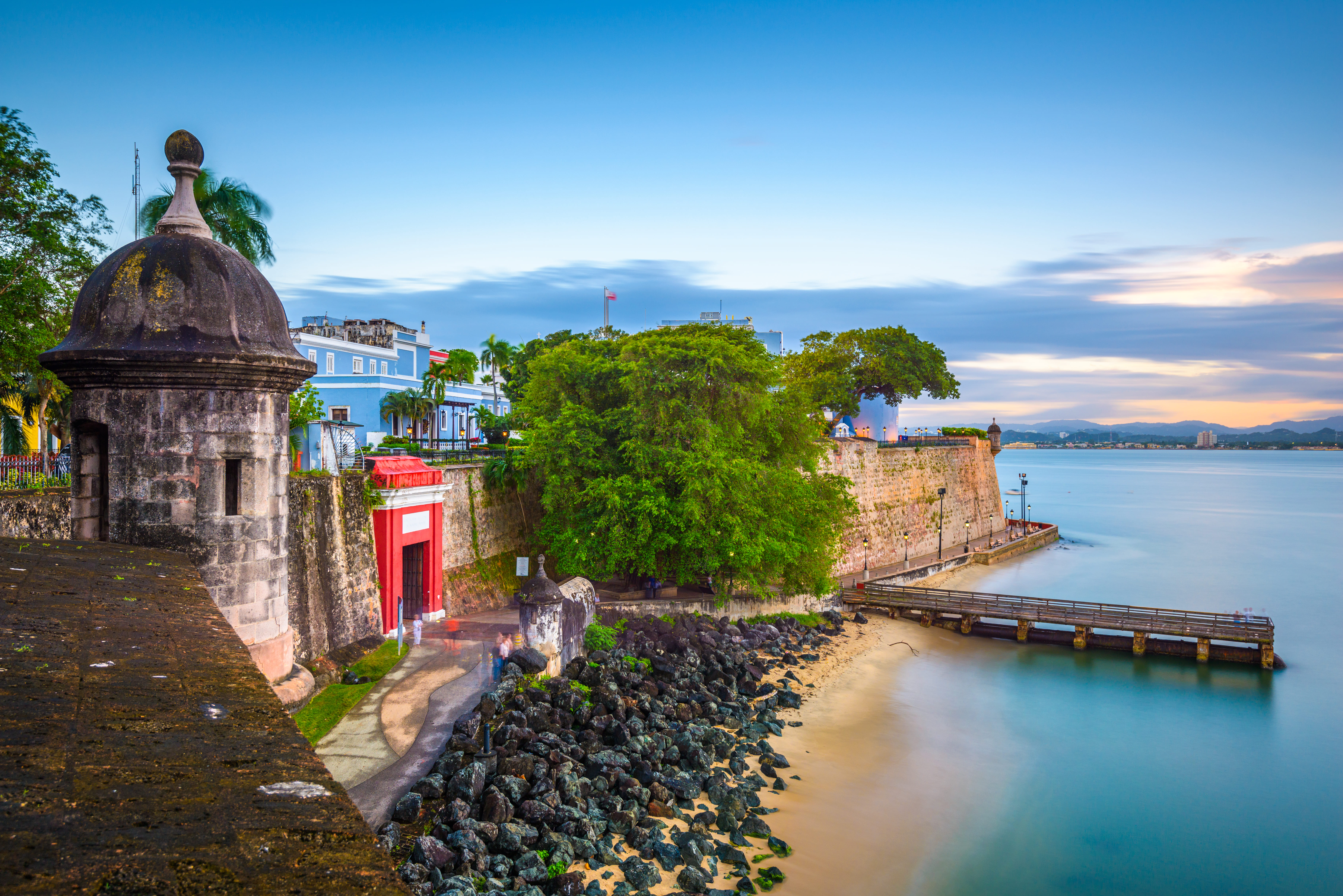
For love, history, and charm, book a room in Old San Juan. Boutique hotels like Hotel El Convento—a restored 17th-century building—give you cobblestone streets, sunset views over the ocean, and candlelit dinners just steps away. It’s walkable, safe, and full of soul.
For something totally different, try the mountains. In towns like Adjuntas or Jayuya, cozy cabins like those at Hacienda Buena Vista offer misty mornings, coffee farm tours, and cool air—ideal for couples wanting peace and nature.
Or choose Rincón on the west coast for bohemian vibes, golden sunsets, and whale watching (January–March).
No matter where you go, winter means dry weather, mild temps (80–86°F), and calm seas—perfect for long walks, swimming, and slow mornings together.
What are the best things to do in Puerto Rico with kids in winter?
Winter is one of the best times to visit Puerto Rico with kids—thanks to dry weather, calm seas, and comfortable temperatures (around 80–84°F). The island is packed with family-friendly activities that are both fun and educational.
Start with El Yunque National Forest, the only tropical rainforest in the U.S. National Forest System. The La Mina Falls trail is short, shaded, and ends at a safe swimming spot—perfect for kids. Just remember to book a free recreation permit online ahead of time.
Next, head to Luquillo Beach, known for its gentle waves, lifeguards, and famous kioskos (food stalls) serving fresh coconut water, empanadas, and grilled corn—kids love it!
Don’t miss the Museo del Niño (Children’s Museum) in Santurce. It’s interactive, air-conditioned, and offers hands-on exhibits about science, art, and Puerto Rican culture—in both English and Spanish.
For animal lovers, visit the Caribbean Manatee Conservation Center in Bayamón, where kids can learn about rescued sea cows and marine protection.
Traveling with kids? Keep these tips in mind:
- Always apply reef-safe sunscreen (regular kinds are banned—they harm coral).
- Carry plenty of water—even in winter, the sun is strong.
- Stick to lifeguarded beaches like Luquillo or Ocean Park.
- Bring a basic first-aid kit and any needed medications—pharmacies are common, but it’s good to be prepared.
- Use a stroller with sturdy wheels—cobblestone streets in Old San Juan can be bumpy.
With no jet lag, familiar food options, and English widely spoken, Puerto Rico makes family travel easy.
Can I swim in the ocean in Puerto Rico in January?
You absolutely can (and should!) swim in the ocean in Puerto Rico during winter. In fact, December through March is one of the best times of year for ocean swimming, thanks to ideal water conditions and comfortable air temperatures.
During winter, the Caribbean Sea around Puerto Rico stays a warm and inviting 78–80°F (26–27°C)—plenty warm for extended swimming, snorkeling, or paddleboarding without a wetsuit. This is only slightly cooler than summer’s 82–84°F, but feels even more pleasant because the air is less humid and the sun isn’t as intense.
Ocean conditions are also calmer in winter. Trade winds settle, resulting in gentler waves and clearer water, especially on the island’s north and east coasts (like San Juan, Fajardo, and Culebra). This makes it safer and more enjoyable for families, beginner swimmers, and snorkelers. Popular beaches like Flamenco Beach (Culebra), Luquillo, and Ocean Park (San Juan) have lifeguards on duty and gentle surf during these months.
One important note: Reef-safe sunscreen is required by law in Puerto Rico. Sunscreens containing oxybenzone or octinoxate are banned because they harm coral reefs. Bring a mineral-based, biodegradable sunscreen (look for “reef-safe” labels) or buy one locally—many beach vendors and shops carry approved brands.
What is the best way to get around Puerto Rico?
The best way to get around Puerto Rico—especially if you plan to explore beyond San Juan—is by car hire. While ride-hailing services like Uber operate reliably in the metro area, they’re unavailable or extremely limited in rural regions, national parks, and coastal towns like Rincón, Vieques (via ferry), Cabo Rojo, and Fajardo. Public transportation exists but is infrequent, not always tourist-friendly, and doesn’t reach many of the island’s top natural attractions.
Renting a car to explore Puerto Rico gives you the flexibility to visit El Yunque National Forest in the morning, relax on a quiet beach in the afternoon, and enjoy dinner in a mountain town—all in one day. Roads across the country are well-maintained, clearly marked in both English and Spanish, and easy to navigate with GPS.
For the smoothest experience, pick up your rental car at Luis Muñoz Marín International Airport (SJU) in San Juan.
Book your car rental online in advance. During the peak winter season (December through March), walk-up rates at the airport counter often surge to 50% or more per day for basic models. By reserving ahead of time, you can secure better rates and guarantee availability, which is especially important during holidays and festivals.
Is it better to visit Vieques or Culebra in winter?
Both are stunning—but different:
Vieques: Home to Mosquito Bay, the world’s brightest bioluminescent bay. More amenities, restaurants, and rental cars. Ferry from Ceiba: $2.50, but book 30 days ahead at dtpw.pr.gov.
Culebra: Quieter, with Flamenco Beach (ranked top 10 globally by TripAdvisor). Fewer services, but more seclusion.
Both islands are accessible by a 20-minute flight with Vieques Air Link ($99 round-trip).
Where can I find authentic Puerto Rican food in San Juan?
Skip tourist traps. Eat where locals eat:
Raíces (Old San Juan): Modern takes on classics like mofongo and arroz con gandules.
La Casita Blanca (Santurce): Home-stle cooking in a colorful courtyard.
Ruta del Lechón (Guavate): Drive 45 minutes south for world-famous roast pork ($12–$18/plate).
Beach kioskos: Try alcapurrias (crab fritters) or bacalaitos (salt cod fritters) for under $5.
What are some quiet beaches in Puerto Rico not crowded with tourists?
Avoid Luquillo and Condado on weekends. Instead, try:
Playa Buyé (Cabo Rojo): Turquoise water, white sand, dramatic cliffs.
Tres Palmas (Rincón): Great for beginner surfers, with food trucks nearby.
Isla de Ratones (Culebra): Tiny uninhabited island reachable by kayak—perfect for a private picnic.
Go on weekdays for maximum peace.
Is Puerto Rico more affordable than Hawaii for a winter vacation?
Puerto Rico is significantly more affordable than Hawaii for a winter vacation, especially for travelers from the U.S. mainland.
In winter 2026, a comfortable 7-day trip for two people in Puerto Rico typically costs $2,200–$2,800, including round-trip flights from the East Coast, a rental car, mid-range lodging, meals, and activities. In contrast, the same trip to Hawaii usually runs $4,500–$6,000+, even during “off-peak” winter weeks.
Why the big difference?
Flights: From New York, round-trip fares to San Juan average $300–$450, while flights to Honolulu cost $700–$1,100+ and take 10+ hours vs. 3.5 hours.
Accommodations: A nice hotel or Airbnb in Puerto Rico costs $120–$200/night in winter; in Hawaii, similar places start at $250–$400/night.
Food: Local meals in Puerto Rico—like mofongo, fresh seafood, or lechón—cost $10–$18 per plate. In Hawaii, comparable meals often run $25–$40.
Transportation: Gas in Puerto Rico is about $3.40/gallon; in Hawaii, it’s over $5/gallon. Plus, you don’t need inter-island flights in Puerto Rico—it’s all one island!
Also, since Puerto Rico is a U.S. territory, there’s no passport needed, no currency exchange, and no international phone fees—saving time and money.
While both destinations offer stunning beaches and natural beauty, Puerto Rico delivers a rich cultural experience—rainforests, forts, festivals, and local cuisine—at nearly half the price of Hawaii.
For budget-conscious travelers seeking warmth, convenience, and authenticity in winter, Puerto Rico is the smarter, more affordable choice.
What should I pack for a trip to Puerto Rico in winter?
Despite the name “winter,” pack warm-weather gear:
- 2–3 swimsuits
- Quick-dry shorts and T-shirts
- Light rain jacket
- Reef-safe sunscreen (required by law)
- Water shoes (for rocky beaches)
- Light sweater (for mountain evenings)
Also bring cash (small vendors don’t take cards), an ID (for car rentals), and a reusable water bottle.
What Puerto Rico Offers This Winter?
Winter 2026 (December 2025–March 2026) is a vibrant time to visit Puerto Rico, with a full calendar of authentic cultural events that showcase the island’s music, faith, food, and heritage. Unlike generic resort entertainment, these are deeply rooted community celebrations open to respectful visitors.
One of the season’s highlights is Three Kings Day (Día de Reyes) on January 6, celebrated island-wide but especially in towns like Juana Díaz and San Sebastián. Children leave boxes of grass for the camels of the Three Wise Men, and parades feature live plena music, traditional sweets like arroz con dulce, and folkloric dancers.
The biggest event is the Festival de San Sebastián, held January 16–19, 2026, in Old San Juan. This four-day street festival transforms the historic district into a living stage with over 400 local artisans, live bomba y plena performances, craft beer gardens, and food stalls serving lechón, alcapurrias, and tembleque. It’s not a tourist show—it’s a heartfelt celebration of Puerto Rican identity.
In February, the island honors its Afro-Puerto Rican roots during Black History Month, with special events in Loíza, including drumming workshops, mask-making demonstrations (vejigante masks), and seafood feasts featuring bacalaitos and pasteles de yuca.
Come late February through March, the central mountains come alive with Coffee Harvest Festivals in Maricao and Yauco. Visitors can tour working haciendas, taste single-origin brews, and enjoy música jíbara (mountain folk music) under the stars.
Additionally, bioluminescent bay tours in Vieques and Fajardo operate at peak clarity all winter due to calm, dry conditions—making nighttime kayak excursions especially magical.
With reliable weather (82–86°F, low rain), restored attractions, and a strong return to local traditions, winter 2026 offers a rich, immersive Puerto Rican experience beyond the beach.
So, Why Do People Love to Go to Puerto Rico in Winter?
Because it offers:
- Guaranteed sunshine when home is freezing
- Zero passport or currency stress for Americans
- Great value compared to other tropical escapes
- Real culture, nature, and variety—not just beaches
- Warm, welcoming people who make you feel at home
Whether you’re solo, with family, or on a romantic escape, Puerto Rico in Winter offers sun, soul, and simplicity—all in one unforgettable island.
FAQ: Why Puerto Rico Is a Top Winter Destination
Why is Puerto Rico popular as a winter destination?
Puerto Rico offers warm temperatures, sunny skies, and tropical beaches during the Northern Hemisphere winter months (December to February), making it an ideal escape from colder climates. Visitors enjoy outdoor activities like hiking, water sports, and cultural festivals.
What is the weather like in Puerto Rico during winter?
Winter in Puerto Rico is mild and pleasant, with average temperatures ranging between 75°F and 85°F (24°C to 29°C). Humidity is lower compared to summer months, and rainfall is minimal, allowing for comfortable beach days and sightseeing.
Are flights and accommodations expensive in winter?
Yes, winter is part of Puerto Rico’s peak tourist season, so flights and hotel prices tend to be higher. Booking in advance is recommended to secure the best deals.
What are the best activities for winter travelers in Puerto Rico?
Winter travelers can enjoy:
- Beach activities: swimming, snorkeling, and sunbathing
- Hiking in El Yunque National Forest
- Exploring historic sites in Old San Juan
- Visiting waterfalls and rivers
- Attending winter festivals and cultural events
Is Puerto Rico family-friendly during winter?
Absolutely. The pleasant weather and variety of attractions make Puerto Rico ideal for families. Kids can enjoy beaches, nature excursions, and interactive cultural experiences without extreme heat.
How crowded is Puerto Rico in winter?
Winter is peak season, so popular beaches, hotels, and attractions can be busy. Planning early and visiting less-known areas can help avoid large crowds.
Can I drive around Puerto Rico in winter?
Yes, roads are generally safe and well-maintained. Renting a car is recommended for exploring the island fully, including remote beaches and scenic towns.
Are there any winter festivals worth attending?
Yes, Puerto Rico hosts several festivals in winter, such as Christmas and New Year celebrations, Three Kings Day in January, and local cultural events showcasing music, dance, and cuisine.
What is the best way to save money while visiting Puerto Rico in winter?
Book flights and accommodations early, consider off-peak weekdays for travel, and explore local dining options and public beaches instead of private resorts.
Is Puerto Rico safe to travel during winter?
Yes, Puerto Rico is generally safe for tourists. Standard precautions apply: avoid poorly lit areas at night and keep an eye on belongings at crowded beaches and tourist attractions.
About the Author
Final Rentals Editorial Team
The Final Rentals Editorial Team is a group of travel researchers and mobility experts dedicated to creating accurate, practical, and up-to-date travel content for drivers worldwide. Our articles are based on official tourism resources, local driving regulations, and destination research to help travellers plan safer and more enjoyable journeys. From car rental advice to road trip guides and local travel tips, we provide reliable information to help you explore with confidence.