An Essential Guide to Road Trip With Kids: Turn Miles Into Memories
February 2nd 2026
Traveling with kids is more than just getting from point A to point B—it’s about creating lasting family memories through unexpected discoveries, shared laughter, and those magical first-time moments.
As a trusted car rental brand serving over 60 countries worldwide, Final Rentals has supported thousands of families who’ve rented our vehicles to explore with their children.
From spacious SUVs for desert dunes in Qatar to reliable sedans for winding coastal roads in Albania, our customers consistently share how the right car makes family adventures smoother and more enjoyable.
Drawing from real traveler feedback, here’s a practical guide to planning successful road trips with kids. These tips are designed to keep everyone happy, safe, and engaged—no matter the destination.
The Foundation: Documents, Insurance, and Legal Basics
Before you dream about destinations, secure the non-negotiables. These aren't bureaucratic hurdles—they're your safety net when things go sideways.
Driver documentation varies globally, but follows one rule: your home license alone often isn't enough. Many countries require an International Driving Permit (IDP)—a standardized translation booklet issued by automobile associations, such as AAA. It's not a license replacement; it accompanies your original license.
Order it 3–4 weeks pre-trip; processing isn't instant. Without it in countries that mandate it, rental companies legally cannot hand you keys—and police fines can exceed $300. Always carry both license and passport; names must match exactly.
Rental age rules hide surprises. While 21 is common, some regions set minimums at 23 or 25. Drivers under 25 typically pay "young driver fees" ($15–25/day)—not arbitrary charges, but insurance premiums reflecting higher accident rates in this demographic. If traveling with multiple licensed adults, put the oldest driver on the contract to avoid these fees where possible.
Insurance deserves special attention. Rental companies offer Collision Damage Waiver (CDW), but it often excludes "single-vehicle incidents"—hitting potholes, animals, or gravel shoulders. These represent over 70% of family-related claims (kids distracted drivers; sudden stops for restrooms).
Your personal auto policy or credit card might cover rentals, but exclusions are common:
- Off-pavement driving (even gravel hotel driveways)
- Vehicles over a certain value (SUVs often excluded)
- International travel (many U.S. policies void coverage abroad)
Before declining CDW, call your insurer and ask: "Does my policy cover pothole damage and off-road incidents in [destination country]?" Get the agent's name and reference number. If they hesitate, buy the rental company's coverage.
Travel insurance is separate and essential. It covers medical emergencies (critical with kids), trip interruption (missed flights due to car trouble), and evacuation. Look for policies explicitly including children and covering pre-existing conditions if relevant.
Families consistently report this as their smartest pre-trip purchase—especially when a child's ear infection grounds the trip in a remote town with one clinic.
Safety First: Child Restraints Done Right
Safety isn't a suggestion—it's the foundation of everything else. Yet restraint rules confuse even experienced parents because standards vary globally. Here's a universal framework based on physiology, not just local laws.
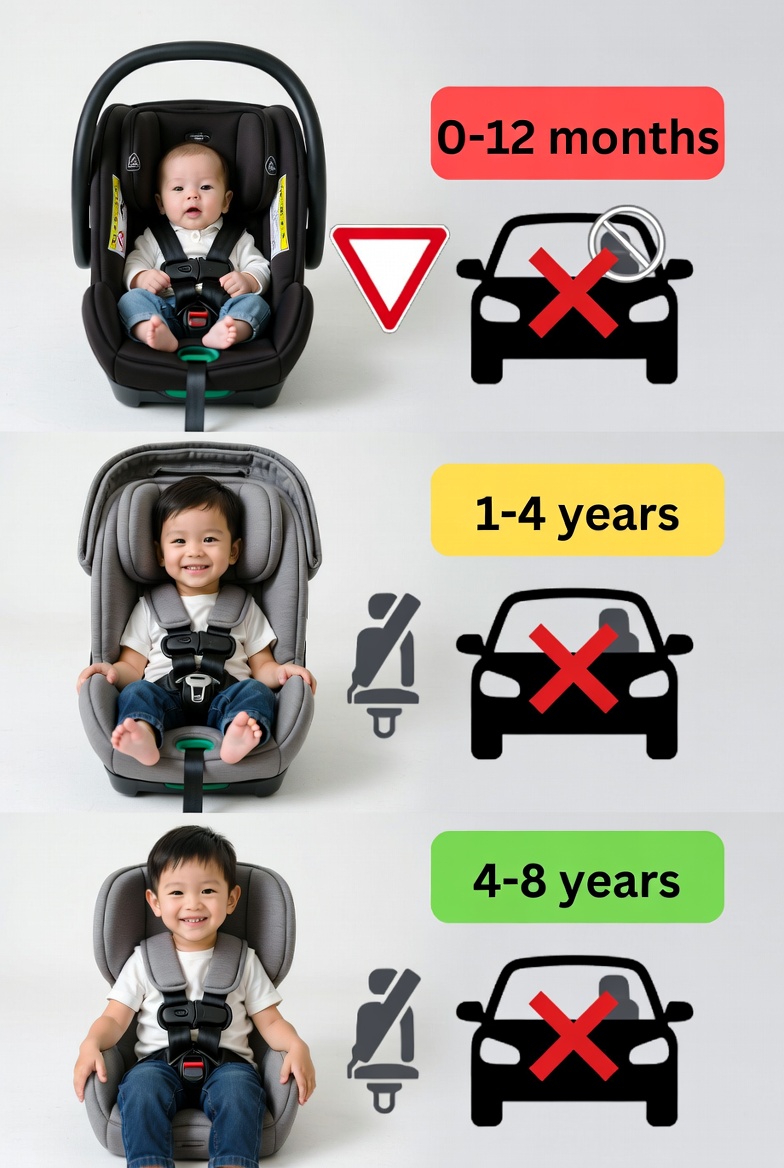
Infants (birth to 2 years): Rear-facing is non-negotiable for spinal protection. A child's head is 25% of their body weight (vs. 6% in adults); forward-facing crashes exert forces their necks cannot withstand. Keep them rear-facing until they hit the seat's maximum height/weight—often age 3–4 in modern seats. Never place rear-facing seats in front of active airbags.
Toddlers (2–5 years): Transition to forward-facing only when they exceed rear-facing limits—not at age 2. Use a 5-point harness seat until they reach its upper limits (often 65 lbs). The harness distributes crash forces across the strongest parts of the body—shoulders and hips—not the abdomen.
School-age kids (5–12 years): Booster seats aren't optional once harnesses are outgrown.
Adult seatbelts fit properly only when:
- The lap belt lies low across the hips (not the stomach)
- The shoulder belt crosses the center of the chest and collarbone
- Knees bend naturally at the seat edge with feet flat on the floor
Most kids don't pass this "5-step test" until age 10–12. Without a booster, seatbelts ride up—placing abdominal organs and neck at risk during sudden stops.
Local enforcement varies wildly. Some countries strictly mandate restraints; others rarely check tourist vehicles. Never let law enforcement dictate your choices. That taxi driver is not using a booster? He's making a risk calculation you shouldn't replicate. Your child's safety depends on physics—not local norms.
Rent child seats from your rental provider. Yes, you can bring your own—but airline handling damages LATCH systems, and installation errors spike when tired after travel.
Cost: typically $8–12/day—less than one restaurant meal and infinitely cheaper than regret. Confirm seat types available when booking: infant rear-facing, convertible forward-facing, and high-back boosters.
Seatbelt reminder: All passengers must wear seatbelts—even on short drives. Kids unbuckling mid-drive? Use visual reminders: "Seatbelt on = music on." Consistency matters more than negotiation.
Choosing the Right Vehicle: Beyond "Big Enough."
Space matters, but the right features prevent daily friction. Families consistently overlook three vehicle traits that make or break trips:
Climate control capability. In hot climates, rear AC vents aren't a luxury—they're a necessity. Kids in backseats experience temperatures 8–12°F higher than front passengers. Without dedicated rear vents, you'll drive with windows down (noise, dust) or crank the front AC to uncomfortable levels. Confirm rear climate controls when booking—especially for desert or tropical destinations.
Storage accessibility. Minivans win for a reason: sliding doors let kids enter/exit curbside without traffic risk, and low load floors ease stroller handling. But if renting an SUV, prioritize models with:
- Hands-free liftgates (approach with groceries/kid in arms)
- Underfloor storage for dirty shoes/swimwear
- Multiple 12V/USB ports (one per child prevents "he touched my charger" wars)
Visibility and maneuverability. Large vehicles feel safe but create stress in tight European towns or narrow Caribbean lanes. If your itinerary includes historic districts or mountain roads, balance space needs with turning radius. A compact SUV often handles better than a full-size van on winding routes—reducing driver fatigue that spills into passenger tension.
Transmission matters less than you think. Automatic dominates global rental fleets. Manual exists but requires advance request and isn't cheaper. Unless you specifically want the engagement (and have recent experience), automatic reduces cognitive load—critical when navigating unfamiliar roads with kids asking questions.
Pro move: When booking, add these requests in the "special instructions" field:
- "Child seat(s) required: [type/age]"
- "Prefer a vehicle with rear AC vents."
- "Need hands-free liftgate if available."
Companies track these preferences. You might not get every request, but you'll likely receive a vehicle better matched to family needs than the default assignment.
Age-by-Age Road Trip Strategy
Kids aren't small adults—their needs shift dramatically by developmental stage. Tailor your approach:
Infants (0–18 months): Their world is rhythm. Schedule drives around natural sleep windows—typically 1.5–2 hours after waking. A 9 a.m. departure often yields 2 hours of nap time on the road.
Pack a "car basket" within arm's reach: extra pacifiers (they roll), burp cloths, and one quiet toy that won't become a projectile. Never feed bottles while moving—choking risk spikes during sudden stops. Pull over for feeds. Accept that some drives will be short—20 miles might be today's win. That's okay.
Toddlers (18 months–4 years): Their superpower is observation; their kryptonite is restraint. Combat restlessness with "I Spy" using colors ("Find something red") before advancing to shapes or letters. Pack a "surprise bag" with 3–4 cheap new items (stickers, mini coloring books)—dole them out only when energy dips.
Snack strategy: use spill-proof containers with compartments (no loose goldfish rolling under seats). Never hand whole grapes, cherry tomatoes, or hard candies while driving—choking hazards multiply in motion.
School-age (5–10 years): Give them agency. Let them choose the audiobook for Hour 2 or pick the next bathroom stop from two pre-vetted options. Create a simple scavenger hunt list: "Find a windmill," "Spot a yellow truck," "See a cow." Clipboards with paper keep hands busy.
Screen time works in moderation—but set boundaries upfront: "Tablets on after lunch until 3 p.m." Avoid negotiating in the moment.
Tweens/teens (11+): Boredom triggers attitude. Assign meaningful roles: navigator (with paper map backup), playlist curator, or snack distributor. Let them research one stop per day—they'll engage more with a waterfall they discovered versus one you mandated.
Headphones are acceptable—but establish "no-headphone zones" (first 30 minutes after stops, meal times) to maintain connection.
Universal truth: No age group thrives on nonstop driving. Break every 2–2.5 hours minimum—even if no one complains. Prevention beats crisis management.
Packing Smarter: The Family Road Trip Kit
Packing isn't about bringing everything—it's about bringing the right things in the right places. Organize by access frequency:
Driver's reach zone (center console/passenger seat):
- Phone mount + charger
- Small trash bag (clip to console)
- Hand sanitizer + tissues
- Driver snacks (protein bars—sugar crashes impair focus)
- Physical map (when GPS fails in mountains/tunnels)
Kids' reach zone (backseat pockets/door bins):
- Spill-proof water bottles (fill after security if flying)
- Snack containers with lids (pre-portioned)
- Wet wipes (for hands, faces, and unexpected messes)
- One small toy per child (rotating others from trunk prevents boredom)
Trunk essentials (organized in clear bins):
- First-aid kit: bandages, antiseptic wipes, children's pain reliever, tweezers
- Weather layers: light jackets even in summer (AC gets cold; mountains cool fast)
- Emergency kit: jumper cables, flashlight, reflective triangles, $20 cash
- Comfort items: small pillow/blanket per child, change of clothes per person (in sealed bags—spills happen)
- Cleaning supplies: microfiber cloth, portable vacuum, stain wipes
Critical omission most families make: a white noise machine or app for hotel rooms. Thin walls and street noise disrupt kids' sleep—compounding travel fatigue. A $15 portable machine or free app (Rain Sounds) often means the difference between rested kids and meltdown mornings.
Keeping the Peace: Managing Energy and Emotions
Road trips test patience because they compress family dynamics into confined spaces for hours. Prevent tension with these evidence-backed strategies:
The 20-minute reset rule: When voices rise or whining starts, don't wait for an explosion. Pull over safely at the next rest area—even if unnecessary.
Everyone exits the vehicle for 5 minutes: stretch, use facilities, breathe non-car air. This physical break resets the nervous system. Return to the car with fresh water and one cracker per person. You'll cover the "lost" 20 minutes faster than you'd spend managing a full meltdown.
Snack timing affects behavior more than you think. Protein-rich snacks (cheese sticks, nut butter packets) stabilize blood sugar; sugary snacks cause spikes and crashes that manifest as irritability. Schedule snacks proactively—not reactively, when kids complain. Example rhythm: snack 30 minutes before expected hunger (often 1.5 hours into the drive), then every 2 hours thereafter.
Embrace the unplanned stop. That roadside fruit stand? The goat farm with a "petting zoo" sign? The pull-off with a view that made you gasp?
These become the trip's defining memories—not the scheduled attraction you rushed through. Build 30% buffer time into daily mileage goals. Driving 200 miles instead of 300 might mean discovering a creek where kids skip stones for an hour.
Realistic Itinerary Planning: The 3-Hour Rule
Most family road trip failures stem from one common error: overestimating daily mileage. GPS says "4 hours." Reality says "6.5 hours" with kids. Why the gap?
- Bathroom breaks every 1.5–2 hours (not 3)
- Longer stops for meals with high chairs/booster seats
- Unexpected traffic or roadwork
- The 15 minutes lost when a child realizes they left their favorite stuffed animal at the last rest stop (requiring U-turns)
The 3-hour rule: Plan no more than 3 hours of actual driving between overnight stops when traveling with kids under 12. This doesn't mean driving 3 hours total—it means breaking longer routes into segments with meaningful stops.
Example: A 9-hour drive becomes Day 1: Drive 3 hours → explore a town → overnight. Day 2: Drive 3 hours → beach stop → overnight. Day 3: Final 3-hour leg.
This approach costs one extra night's lodging but delivers three critical benefits:
- Kids arrive at destinations with energy to enjoy them (not collapsed from car fatigue)
- Drivers stay alert—fatigue causes 20% of rental car incidents involving families
- You discover places you'd otherwise speed past
Accommodation strategy: Prioritize properties with:
- Free parking (resort fees add up)
- Ground-floor rooms or elevators (hauling sleeping kids + luggage up stairs breaks spirits)
- Refrigerators (store milk, pre-made bottles, fruit)
- Fenced pool areas if traveling with toddlers
Book refundable rates when possible. Flexibility pays when a child wakes with a fever or rain cancels outdoor plans.
When Things Go Wrong: The Grace Framework
Flat tires, sudden rain, missed turns, stomach bugs—road trips include friction. How you respond shapes the memory more than the incident itself.
Vehicle trouble protocol:
- Pull completely off the roadway onto the shoulder or a safe area
- Turn on hazard lights
- Keep kids buckled inside until you assess safety
- Call the rental roadside assistance—don't accept help from strangers
- While waiting, deploy the "surprise bag" to maintain calm
Most rental companies include 24/7 roadside assistance. Save their local number in your phone pre-trip—not buried in email confirmations.
Medical moments: For minor issues (cuts, headaches), use your first-aid kit. For fevers or persistent vomiting, locate the nearest clinic via Google Maps ("urgent care near me"). Keep a list of your children's medications, allergies, and pediatrician contact info in your wallet—not just on your phone (dead battery = no access).
The attitude reset: When frustration peaks, say aloud: "This is part of our story." That flat tire in the rural countryside? It led to meeting a local family who shared mangoes from their tree. That wrong turn? Revealed a waterfall not in any guidebook. Reframing friction as texture—not failure—changes the emotional trajectory of the trip.
The Real Goal Isn't the Destination
Road trips with kids aren't about efficient transportation. They're mobile classrooms for patience, adaptability, and presence. The spilled juice washes out. The missed exit reroutes you to something better. The meltdowns end—and the stories begin.
With the right vehicle, thoughtful preparation, and grace for the messy middle, you're not just driving to a place. You're building a memory architecture where connection happens in motion. That's the real destination—and it's always within reach.
Road Trips With Kids: FAQs
Should I rent a child car seat from the rental company or bring my own?
Bring your own if you have a high-quality, recently manufactured seat that fits your child perfectly—it's familiar and meets your standards. Rental seats are convenient and often cheaper daily, but they can be older, heavily used, or mismatched in size. Always inspect any rented seat for cracks, expiration date, and proper installation before driving away.
How much extra does renting child seats, boosters, or infant bases usually cost?
Expect $5–15 per day per seat, with weekly caps often around $50–100 total. Some companies bundle multiple seats at a discount or waive fees after a certain number of days. Compare quotes when booking—adding seats at pickup can cost 20–50% more. Always confirm the price includes installation help if needed.
Will the rental car have LATCH anchors and top tethers for child seats?
Most modern rental cars have LATCH systems in rear outboard seats and top tether anchors. Confirm this when reserving, especially for minivans or SUVs. Some older or base-model vehicles may lack them in certain positions. Ask the rental agent to show you the anchors at pickup and test your seat installation before leaving the lot.
Can I rent a bigger vehicle last-minute if I realize we need more space for car seats and gear?
Yes, but availability isn't guaranteed—upgrades (SUVs, minivans) book fast during peak seasons. Reserve the larger category from the start if you have multiple car seats, strollers, or luggage. Many companies allow free or low-cost upgrades at pickup if a bigger vehicle is available. Measure your gear and car seat footprint before booking.
What happens if a rented child seat gets damaged or very dirty during our trip?
You are typically responsible for cleaning fees or replacement costs if the seat is damaged beyond normal wear. Wipe spills immediately and use protectors. Report any pre-existing damage at pickup with photos. Return it in reasonable condition—most companies understand family use, but charge for extreme messes or broken parts.
What should I do if my child gets motion sickness during the drive?
Choose seats facing forward, keep windows slightly open for fresh air, avoid reading or screens, and offer light snacks like crackers before driving. Ginger candies or acupressure bands help many kids. Stop frequently for breaks.
How do I handle bathroom breaks when kids need to go urgently on highways?
Plan routes with known rest areas, gas stations, or mosques (in Saudi Arabia/Qatar). Carry portable potties or disposable bags for emergencies. Teach kids to signal early. Travelers in remote routes emphasize mapping apps with toilet icons to reduce panic stops.
Is it safe to leave kids in the car briefly while I pay for fuel or grab food?
Never leave children unattended in a parked car—temperatures rise dangerously fast even with windows cracked. Always take them with you or have one adult stay. Fines and safety risks make this a strict no.
What first-aid items should every family road trip pack?
Include bandages, antiseptic, pain reliever (child-safe), thermometer, allergy meds, motion sickness remedy, sunscreen, insect repellent, tweezers, and any prescription meds. Add diapers/wipes for infants. A compact kit prevents small issues from ruining the trip.
How do I find family-friendly rest stops or attractions along the route?
Use Google Maps, TripAdvisor, or local tourism apps to filter parks, playgrounds, beaches, or diners. Plan 2–3 options per segment.
What if we encounter bad weather or road closures during the trip?
Check weather and traffic apps daily. Have backup routes and flexible hotel bookings. Travel insurance covers cancellations/delays. Stay calm—many families turn detours into unexpected adventures.
How much extra should I budget for a road trip with kids compared to an adults-only trip?
Expect 30–50% more: child seats ($5–15/day), extra snacks/drinks, frequent stops (fuel/food), potential activity fees, and a bigger vehicle. Budget for surprises like ice cream or small toys. Travelers report the joy outweighs costs—plan $50–100/day extra for a family of four.
Ready to Equip Your Family's Next Adventure?
Final Rentals provides reliable rental cars with properly installed child seats, climate-controlled vehicles suited for families, and 24/7 local support—so you focus on the journey, not the logistics.