Why the Dominican Republic Dominates This Winter Travel Season?
January 9th 2026
It’s winter 2025-2026. Snow is piling up in Toronto, icy winds are slicing through Chicago, and even southern Europe is pulling out the heavy coats. But just a few hours south, something magical is happening—sandy beaches are buzzing, palm trees are swaying in a gentle breeze, and the thermometer reads a perfect 80°F.
Welcome to the Dominican Republic— the undisputed star of this winter travel season.
While other islands are still dusting off from Hurricane Melissa and struggling to reopen hotels, the DR is wide awake, thriving, and welcoming more travelers than ever. In fact, by November 2025, the country had already welcomed over 10.28 million international visitors, and experts are certain that the final 2025 tally will surpass 11 million—a historic high.
But numbers alone don’t tell the full story. What makes the Dominican Republic the go-to destination right now?
Let’s get to know.
Dominican Republic: A Destination That’s Ready When Others Aren’t
Hurricane Melissa left deep scars across the northern Caribbean in mid-2025. In Jamaica, parts of the Bahamas, Cuba, and especially Haiti, recovery is slow. Many beloved resorts won’t reopen until late 2026, and flight routes remain limited.
But the Dominican Republic is in full swing. Thanks to strong infrastructure, proactive disaster planning, and rapid response systems, the DR emerged from the storm season with minimal disruption. Better yet, the government didn’t wait for travelers to return on their own. They acted fast.
In one decisive move, the Civil Aviation Board—led by President Héctor Porcella—authorized 800 additional flights, including both scheduled and charter services, specifically to capture travelers whose original plans were derailed.
Many of those who’d booked dream vacations to Jamaica or the Eastern Bahamas are now discovering Punta Cana, La Romana, and Puerto Plata for the first time—and falling in love.
If you’re looking for a Caribbean escape this winter that’s truly operational—with functioning airports, fully staffed resorts, and open attractions—the Dominican Republic isn’t just an option. It’s the smartest choice.
More Than Just Beaches: What Makes the DR Irresistible?
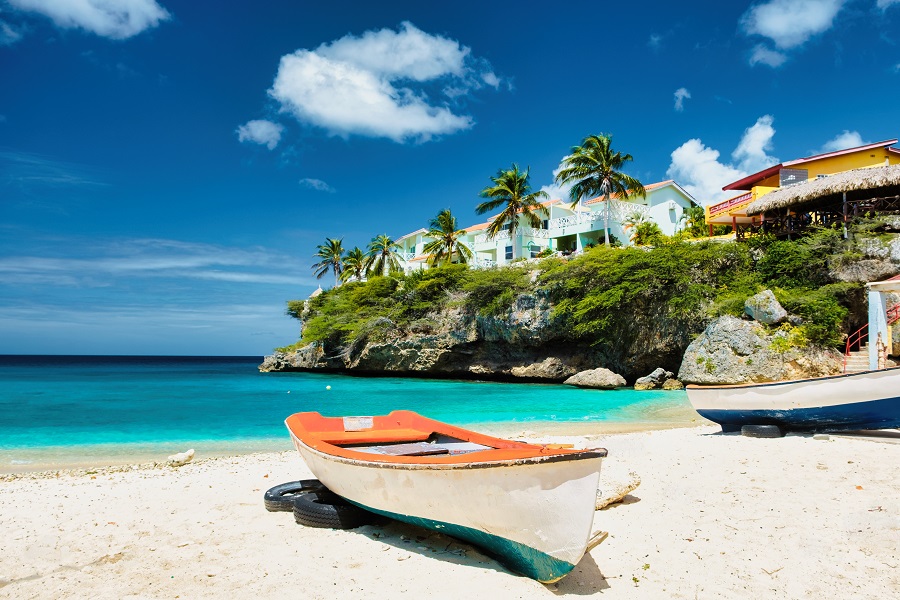
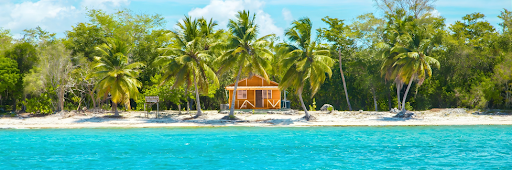
The beaches are legendary—powdery white sand, turquoise water, and swaying coconut trees. But the Dominican Republic offers so much more than a sun lounger and a piña colada (though those are excellent, too!).
Think adventure, culture, and surprises around every corner.
Whale Watching in Samaná (Feb–Apr): Witness humpback whales breaching just offshore—a natural spectacle you can’t see in most Caribbean spots.
Colonial Soul in Santo Domingo: Walk the cobblestone streets of the Zona Colonial, the oldest European settlement in the Americas, where 500-year-old forts stand beside trendy cafés.
Cenotes & Caves: In the southeast, hidden freshwater sinkholes like El Chicho and Los Cocos offer cool, crystal-clear swimming away from crowds.
Mountains & Waterfalls: Head inland to Jarabacoa or Constanza for misty highlands, river rafting, and cascading falls like Salto de Jimenoa.
Carnaval & Culture: Don’t miss the vibrant Independence Day Carnaval on February 27—masks, music, and street dancing that pulse with national pride.
This blend of relaxation and discovery is why families, couples, solo explorers, and even digital nomads keep coming back. You can spend your morning snorkeling a coral reef and your afternoon sipping organic coffee in a mountain village—all in the same day.
Foreign Travelers: Still Welcome, Still in Love
Even as the broader Caribbean saw dips in Canadian arrivals in 2025, the Dominican Republic held strong. Nearly 984,000 Canadian travelers chose the Dominican Republic for their winter escape—a slight 5.1% drop from 2024, but nothing compared to steeper declines elsewhere.
Why? Because tourists know what they’re getting:
- Predictable dry-season weather (December to April)
- All-inclusive resorts that actually deliver value
- English is widely spoken in tourist zones
- Direct flights from Toronto, Montreal, Vancouver, and Calgary
- Familiar brands (like Air Canada Vacations) with decades of DR experience
And in 2025, that reliability became even more valuable. With uncertainty hanging over other islands, the DR stood out as the safe bet that still feels like an adventure.
Why the Dominican Republic Is the Caribbean’s Tourism Powerhouse This Winter?
The Dominican Republic’s 2025 dominance comes from strategic readiness, consistent investment, and genuine hospitality.
Consider these facts:
October 2025 hotel occupancy hit 63%, up from 58% in September, and November’s surge pushed numbers even higher.
U.S. arrivals alone reached 3.73 million by October, making it the top source market
Stopover arrivals (travelers extending a layover into a mini-vacation) grew 7% year-over-year in November 2025—proof that even short-term travelers are choosing the DR over alternatives
The government’s quick approval of 800 extra flights shows the agility most countries can only dream of.
But beyond stats, it’s the vibe that wins people over. Locals—Dominicanos—are famously warm, proud of their home, and eager to share it.
Beyond the Resorts
Here’s a secret most all-inclusive brochures won’t tell you: the best parts of the Dominican Republic lie just outside the resort gates.
Staying at a luxury beachfront property is fantastic—but if you never leave, you’ll miss the soul of the island. The spice markets of Santiago. The rum distilleries near La Romana. The hidden beaches near Las Terrenas that only locals know. The mountain trails where you’ll hear nothing but birdsong.
And the best way to unlock all this? Rent a car.
You can take taxis or book tours. But nothing beats the freedom of having your own wheels. With a rental car, you decide:
- Want to chase waterfalls at sunrise? Go.
- Craving fresh lobster from a beach shack in Miches? Drive there.
- Feel like exploring a colonial church in the afternoon? No schedule to keep.
The Dominican Republic’s main highways (like the Autopista del Coral from Punta Cana to La Romana) are well-maintained and easy to navigate. Road signs are improving, gas stations are plentiful, and rental companies offer everything from compact sedans to rugged SUVs for mountain roads.
If you’re flying into La Romana International Airport (LRM)—a quieter, often faster alternative to Punta Cana’s busy hub—pick up your rental car right at the terminal. It’s efficient, less crowded, and puts you just minutes from Bayahíbe, Altos de Chavón, and the eastern coastline.
Many travelers don’t realize that La Romana isn’t just a gateway—it’s a destination itself. Home to Casa de Campo, one of the Caribbean’s most luxurious resorts, and the charming Altos de Chavón—a recreated 16th-century Mediterranean village perched above the Chavón River.
From La Romana, you can:
- Drive 20 minutes to Bayahíbe, a fishing village turned diving hotspot with access to Saona Island
- Head 45 minutes north to Punta Cana if you want beach-hopping
- Go west toward San Pedro de Macorís to see sugar cane fields and baseball legends’ birthplaces
- Or simply stay local and explore the Dye Fore golf course or Catalina Island for snorkeling
Having a car turns a good trip into an unforgettable one. You’ll eat where locals eat, discover secret viewpoints, and move at your own rhythm—no tour buses, no fixed itineraries.
And don’t worry about safety: The Dominican Republic is very car-friendly for tourists. Just stick to daytime driving if you’re new to the island, avoid remote unpaved roads unless you’re in a 4x4, and always lock your doors in cities (as you would anywhere).
Many car rental agencies now offer contactless pickup, English-speaking staff, and GPS with offline maps—so even first-timers feel confident.
Winter in the Dominican Republic: What to Expect (and Why It’s Perfect)
December through April is dry season—the golden window when the DR shines brightest.
Weather: Days hover around 80°F (27°C) with low humidity, clear skies, and cooling ocean breezes. Nights are pleasantly cool—perfect for open-air dinners under the stars.
Crowds: It’s peak season—but unlike some destinations that feel overcrowded, the DR’s size (it shares the island of Hispaniola with Haiti) means there’s always a quiet corner to find. Book your resort early, but know you can always escape the bustle with a short drive.
Events you won’t want to miss:
- December: Festive fiestas patronales (town festivals) with music, food, and fireworks
- January: Whale season begins in Samaná
- February: Carnaval kicks off nationwide, peaking on Independence Day (Feb 27) with colorful masks and street parades
- March–April: Ideal for diving, hiking, and exploring—the seas are calm, trails are dry, and wildflowers bloom in the highlands
And let’s not forget: this is the best time for cenote swimming, as water levels are clear and refreshing after the rainy season.
Your DR Winter Checklist: What You Really Need to Know
Before you pack your swimsuits and sunscreen, here are a few practical tips to make your trip smoother:
Passport & Entry: Canadians and Americans only need a valid passport. A tourist card (often included in your airline ticket) is required, costing around $10 USD if not pre-purchased.
Currency: The Dominican Peso (DOP) is used, but USD is widely accepted in tourist areas. Credit cards work at most hotels and restaurants.
Language: Spanish is the official language, but English is common in resorts and airports. Learning a few phrases like “gracias” or “buenos días” goes a long way.
Health & Safety: Tap water isn’t drinkable—stick to bottled. The DR is very safe for tourists, especially in established zones. Just use common sense: don’t flash valuables, and keep your phone secure on crowded beaches.
Packing Tips: Light clothing, reef-safe sunscreen, a wide-brim hat, a waterproof phone case, and comfortable sandals. Bring a light jacket for evening mountain visits.
FAQs About Exploring the Dominican Republic This Winter
Is the Dominican Republic safe for families traveling with young kids this winter?
Resorts in Punta Cana, La Romana, and Bavaro have dedicated kids’ clubs, fenced pools, and certified lifeguards. The dry season (Dec–Apr) means minimal rain, low mosquito activity, and calm seas—ideal for beach-safe play.
Do I need an international driver’s license to drive a rental car in the Dominican Republic as a foreigner?
Visitors from the U.S., Canada, UK, EU, and most countries can legally drive with their valid home-country driver’s license for up to 90 days. No IDP required. Rental companies accept this at pickup.
Is travel insurance really necessary for a DR trip?
With airlines operating extra flights, cancellations or rebookings can happen. Select a travel policy that includes coverage for trip interruption, medical emergencies, and rental car damage. Many Canadian and U.S. insurers (like Allianz or Travel Guard) include coverage for adventure activities like zip-lining or snorkeling.
Are all-inclusive resorts still worth it for picky eaters or dietary-restricted travelers?
Absolutely. Top resorts (e.g., Eden Roc, Hyatt Ziva) offer gluten-free, vegan, keto, and allergy-friendly menus. Many have dedicated chefs or dietary coordinators—just notify them at booking. Buffets now label allergens clearly, and room service often includes custom meal prep.
Can I rely on mobile data and Wi-Fi for remote work during my winter stay?
Most 4–5-star resorts and urban hotels offer high-speed fiber Wi-Fi (50–100 Mbps). For nomads, coworking spaces like La Sirena Cowork (Santo Domingo) or Punta Cana Hub provide day passes. Local SIMs from Claro or Altice give 4G/5G coverage island-wide—$10–$20 for 15–30GB.
What’s the easiest airport to fly into if I want to avoid crowds and long lines?
La Romana International Airport (LRM) is your best bet. It’s smaller, faster to clear customs, and just 10 minutes from major resorts like Casa de Campo. Fewer tourists = shorter security lines and smoother car rental pickup.
Are medical facilities in the DR reliable in case of an emergency?
In tourist zones, hospitals like Hospital Punta Cana, CEDIMAT (Santo Domingo), and Hospital La Romana meet international standards, accept travel insurance, and have English-speaking staff. Pharmacies (like Farmacias Moscoso) are widespread and well-stocked.
Can I drive safely as a solo female traveler in the Dominican Republic?
Stick to main highways during daylight, avoid unpaved rural roads at night, and use Waze for real-time navigation. Most rental cars come with GPS or support Apple CarPlay. Millions of solo women drive safely here each year.
Are there hidden fees when renting a car in the Dominican Republic?
Sometimes, but avoidable. Always decline unnecessary add-ons (like “roadside assistance” if your credit card covers it). Mandatory fees include CDW (Collision Damage Waiver) and local VAT (18%).
Are December and January too crowded in the Dominican Republic?
It’s peak season—but not overwhelming. Unlike smaller islands, the DR’s size spreads out crowds. Book resorts early, but know you can escape by renting a car: head to Las Terrenas, Barahona, or Samaná for quieter beaches.
Do I need vaccinations or a visa for a winter trip?
No visa for U.S., Canadian, EU, or UK citizens for stays under 30 days. No required vaccines, but CDC recommends routine shots (MMR, Tdap) and Hepatitis A for food/water safety. Malaria risk is very low in tourist areas.
Are there sustainable travel options in the Dominican Republic this winter?
Look for Certified Sustainable Tourism (CST) properties like Sublime Samaná or Secrets Royal Beach. Many operators support coral restoration (e.g., Punta Cana Ecological Foundation). Choose reef-safe sunscreen (mandatory in marine parks) and reef-friendly tours.
Can I bring my pet on vacation to the Dominican Republic?
If traveling with pets, you’ll need a health certificate (issued within 10 days of travel) and proof of rabies vaccine. Airlines like JetBlue and American allow pets in the cabin or as cargo. Not all hotels are pet-friendly.
What if I need to change my plans at the last minute due to weather or flight issues?
The DR’s flexible tourism ecosystem helps. Many resorts and car rentals offer free date changes through 2026. Always confirm your airline’s re-accommodation policy—Air Canada and Delta have strong DR rerouting options.
Wrap-Up
As we close out December 2025, one thing is clear: the Dominican Republic isn’t riding a tourism wave—it’s creating it.
In a year when uncertainty loomed over the Caribbean, the DR stood tall—not with flashy promises, but with open doors, warm smiles, and a landscape that delivers on every kind of dream, whether you crave lazy beach days, cultural deep dives, or off-the-beaten-path adventures.
If you’ve been hesitating—wondering if it’s too busy, too touristy, or not “authentic” enough—let the numbers and stories speak: over 11 million travelers in 2025 can’t all be wrong.
So go ahead. Book that flight. Reserve your rental car at La Romana International Airport. And let this winter be the one where you didn’t just escape the cold—you found something warmer than sunshine: a place that feels like home, even if you’ve never been there before.