The Best Road Trips in Italy: Scenic Routes, Practical Itineraries and Driving Tips
October 22nd 2026
By Jean Genevieve
The best road trips in Italy include the classic Tuscan wine hills, the dramatic mountain passes of the Dolomites, the sweeping coastal curves of the Amalfi Coast, and the ancient olive groves of Puglia. Renting a car gives you access to remote towns that trains cannot reach, though you must plan around restricted traffic zones in historic city centers and toll highways.
Finding the best road trips in Italy means trading rigid train timetables for spontaneous hillside stops, quiet coastal viewpoints, and authentic trattorias tucked far away from tour buses. When you rent a car in Italy, you gain total freedom over your schedule, letting you pull over whenever a medieval village or vineyard view catches your eye.
Planning a self drive journey through Italy requires understanding local driving rules, parking regulations, and toll roads so your holiday stays stress free from pickup to drop off.
Table of Contents
Tuscany: The Classic Countryside Route
The Dolomites: Alpine Passes and Mountain Lakes
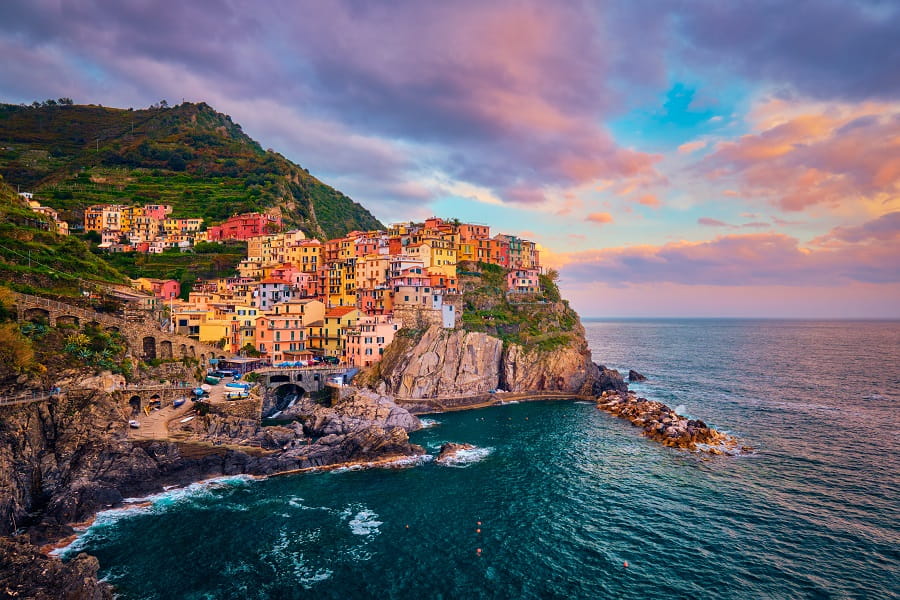
The Amalfi Coast: Dramatic Cliffs and Sea Views
Puglia: Olive Groves and Whitewashed Towns
Essential Driving Rules, Tolls and ZTL Zones
Car Rental Advice and Practical Tips
Frequently Asked Questions
Tuscany: The Classic Countryside Route
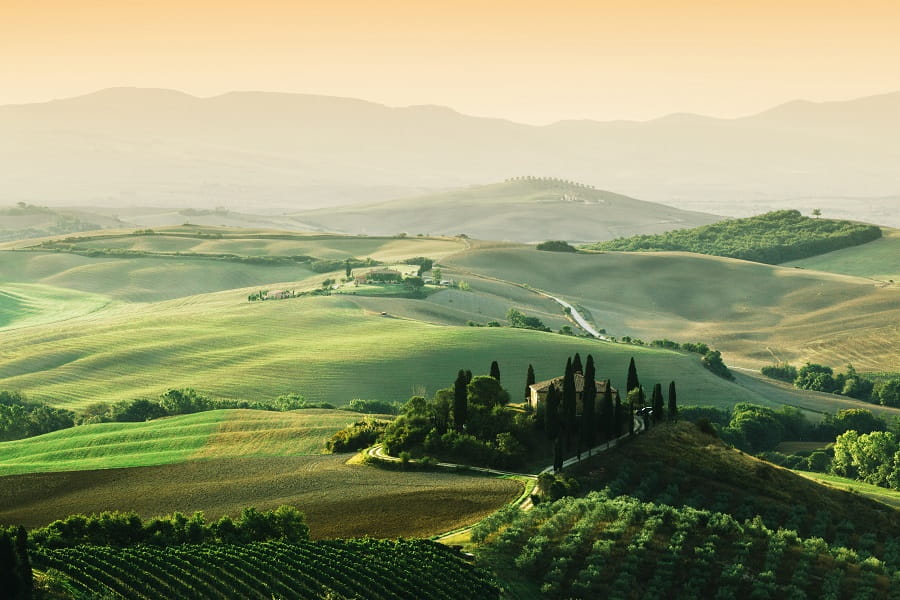
Tuscany remains the quintessential destination for drivers who want rolling green hills, cypress lined avenues, and historic wine estates. Starting your journey in Florence lets you pick up your vehicle and escape the city traffic quickly before heading south into the Val d’Orcia.
You can easily spend seven days exploring towns like Siena, San Gimignano, and Montepulciano without ever driving more than two hours in a single day.
Driving Distances and Daily Pacing
The distance between Florence and Val d'Orcia is roughly 120 kilometers, taking about one hour and forty five minutes via the Raccordo Autostradale Firenze Siena. Breaking the drive into short legs allows you to stop at roadside farm shops to taste local pecorino cheese and Chianti wine.
Avoid rushing your days because the narrow secondary roads invite slow exploration and unexpected discoveries.
Where to Stay and Park
Historic centers in Tuscan towns enforce strict parking bans for non residents. Look for public parking lots located just outside the old stone walls, usually marked with blue lines indicating paid spaces or white lines for free parking.
Booking accommodation with private parking garages saves you from searching for evening spots after a long day of sightseeing.
The Dolomites: Alpine Passes and Mountain Lakes
If you prefer jagged peaks, alpine meadows, and turquoise lakes over rolling vineyards, northern Italy offers some of the most breathtaking mountain driving in Europe. A Dolomites road trip usually begins in Venice or Verona, sending you north toward Cortina d'Ampezzo and the famous Great Dolomites Road.
This route challenges your driving skills with hairpin turns and steep ascents, rewarding you with panoramic vistas at every turn.
Navigating Mountain Passes Safely
The mountain passes climb well above 2,000 meters in elevation, meaning weather can change rapidly even during summer months. According to road safety reports, drivers should check local pass conditions before departure and ensure their rental vehicle has appropriate tires for changing mountain weather.
Take your time on descents by shifting into a lower gear to manage your braking system and prevent overheating.
Seasonal Timing for Alpine Routes
Summer brings clear roads and open mountain huts, while autumn turns the larch forests a brilliant golden yellow. Winter driving requires snow chains or winter tires by law across the mountain regions, so verify your rental vehicle's equipment before leaving the depot.
The Amalfi Coast: Dramatic Cliffs and Sea Views
Driving along the Amalfi Coast is an unforgettable experience defined by sheer limestone cliffs dropping straight into the azure Mediterranean Sea. Starting from Naples or Salerno, where you can easily arrange a Salerno International Airport car rental, the SS163 coastal road connects iconic towns like Positano, Amalfi, and Ravello.
While the scenery is world class, the road is narrow, busy, and shared with large tourist buses.
Managing Traffic and Vehicle Size
Choose a compact hatchback rather than a large SUV when renting a car for coastal routes so you can navigate tight corners and small parking spaces easily. During peak summer months, local authorities implement alternating license plate restrictions to limit traffic volume, so research local rules before you set out.
If driving the cliffside road feels too stressful, park your car in Sorrento or Salerno and take local ferries for parts of the journey.
Puglia: Olive Groves and Whitewashed Towns
Southern Italy offers a relaxed, sun drenched driving experience across the heel of the Italian boot. A Puglia road trip takes you past ancient olive groves, rocky coastline, and unique conical stone houses known as trulli in Alberobello. If you land on the nearby islands, picking up an Olbia Airport car rental, a Cagliari Airport car rental, or an Alghero Airport car rental allows similar coastal freedom.
The terrain is mostly flat and straightforward, making it ideal for drivers who want a more relaxed pace than the winding mountain or coastal routes.
Exploring Coastal and Island Extensions
If your southern itinerary extends into Sicily, grab a Palermo Airport car rental to drive from Bari down to Lecce, stopping at coastal fishing villages like Polignano a Mare where white houses cling to dramatic sea cliffs. The secondary roads are well paved and less congested than northern highways, giving you plenty of space to enjoy the southern landscape.
Local trattorias serve fresh seafood and handmade orecchiette pasta, making culinary stops a major highlight of the region.
Essential Driving Rules, Tolls and ZTL Zones
Driving in Italy involves specific regulations that catch many foreign visitors off guard if they fail to prepare beforehand. Understanding driving in Italy rules and road requirements will save you from unexpected post holiday postal fines.
Avoiding ZTL Fines in Historic Centers
A Zona a Traffico Limitato is a restricted traffic zone located in the historic center of almost every Italian town and city. Cameras monitor these entry points 24 hours a day, and driving past a ZTL sign without a valid permit results in an automatic fine sent directly to your rental company.
Always park outside the old town walls and walk or use local public transport to explore city centers.
Motorway Tolls and Payment Methods
Italian motorways, known as autostrade, charge distance based tolls calculated when you exit the highway. You take a ticket upon entering and pay when you leave at the toll booth using cash, contactless credit cards, or dedicated Telepass lanes.
Keep your physical credit card or Euros handy because foreign chip cards occasionally fail in automated toll machines.
Car Rental Advice and Practical Tips
Securing the right vehicle and understanding your rental agreement prevents misunderstandings at the pickup counter. Avoiding common car rental mistakes comes down to checking insurance details, transmission types, and cross border travel rules before departure.
Manual Versus Automatic Transmissions
Standard rental cars in Italy feature manual transmissions with stick shifts. If you only drive automatic vehicles, you must book well in advance because automatic models make up a smaller percentage of the fleet and cost slightly more per day.
Reserving the correct transmission type ensures you feel confident navigating unfamiliar Italian roads from the moment you leave the rental depot.
Pre-Trip Inspection and Protection
Before driving away, reviewing car rental insurance options ensures your excess and potential damage policies are fully active. Learning how to avoid car rental scams gives you peace of mind when signing contracts.
Our Analysis: Documenting vehicle condition thoroughly with photographs before leaving the lot protects you from disputed damage charges upon your return.
Best road trips in Italy Comparison: Options at a Glance
Route Option | Key Feature | Best For | Typical Cost Factor | Limits or Exclusions |
|---|---|---|---|---|
Tuscany Countryside | Rolling hills and vineyards | Wine lovers and slow travel | Moderate fuel and toll expenses | ZTL zones in historic towns |
The Dolomites | Alpine peaks and mountain passes | Outdoor enthusiasts and hikers | Seasonal tire or chain requirements | Mountain weather unpredictability |
Amalfi Coast | Cliffside coastal roads | Scenic views and beach towns | Higher parking rates and compact car demand | Narrow roads and heavy summer traffic |
Puglia Region | Flat roads and historic trulli | Relaxed cultural exploration | Lower overall toll costs | Fewer expressways in rural areas |
Northern Lakes | Como and Garda lake shores | Waterfront resort hopping | Standard motorway tolls | Busy weekend traffic around Milan |
Recommendation: Choose Tuscany for a balanced mix of culture and relaxation, or the Dolomites if you prefer active outdoor adventures and dramatic mountain landscapes.
Frequently Asked Questions
What is the best time of year for a road trip in Italy?
Spring from May to June and autumn from September to October offer pleasant weather, smaller crowds, and comfortable driving conditions across most regions. Summer brings warmer temperatures and heavier tourist traffic, particularly along coastal routes.
Do I need an International Driving Permit to drive in Italy?
Non European Union visitors generally need an International Driving Permit alongside their domestic driver license to rent a car and drive legally in Italy. Check your specific local licensing requirements before departure to ensure compliance.
How do I pay for parking in Italian towns?
Look for blue painted lines on the street indicating paid parking spaces where you purchase a ticket from a nearby meter and display it on your dashboard. White lines indicate free parking spaces, while yellow lines are reserved for residents or special permit holders.
Can I take a rental car on a ferry to the Italian islands?
Many rental companies permit taking vehicles on domestic ferries to islands like Sicily or Sardinia, but you must declare this at the time of booking. Unauthorised ferry transport can void your insurance coverage entirely.
What should I do if I receive a ZTL fine after my trip?
Rental companies receive ZTL camera fines weeks or months after your rental period ends and charge an administrative processing fee to transfer the ticket to your name. Pay the fine promptly through the official instructions provided to avoid increased penalties.
Are Italian motorway tolls expensive?
Motorway tolls depend on the distance traveled between entry and exit stations, averaging around 10 Euros for a standard two hour highway journey. Using regional state roads instead of toll motorways avoids these fees entirely at the cost of extra travel time.
Is it difficult to drive in major Italian cities?
Driving in historic city centers is generally discouraged due to complex traffic layouts, aggressive local driving habits, and strict ZTL camera enforcement. Park your vehicle in designated lots outside the center and use public transit for urban sightseeing.
How do I handle fuel stations in Italy?
Many fuel stations offer both self service and attended service options, with self service usually costing slightly less per liter. Major stations accept standard credit cards at automated pumps, though having some cash available is helpful for remote rural locations.
Conclusion
Embarking on a road trip through Italy gives you the freedom to discover hidden landscapes, historic villages, and local eateries at your own pace. Careful planning regarding toll roads, ZTL zones, and vehicle selection ensures your journey remains smooth and enjoyable.
Ready to start your Italian adventure? You can rent a car online with Final Rentals and enjoy reliable vehicles, transparent pricing, and flexible booking options tailored for international travelers.
Next Steps
Choose your preferred regional route based on your travel interests.
Verify your driver license and secure an International Driving Permit if required.
Book your vehicle early to secure automatic transmission preferences.
Author Bio
Jean Genevieve is a travel and car rental content specialist at FinalRentals, creating practical travel content that showcases partner locations worldwide. Her work focuses on helping international travellers understand rental requirements, driving considerations, road conditions, insurance and self drive planning before they travel.