New Zealand Travel Tips: 15 Things First Time Visitors Should Know
October 14th 2026
By Jean Genevieve
There is truly nothing quite like stepping off that plane and taking your first breath of cool, fresh air in Aotearoa New Zealand. You look around, wipe the jet lag out of your eyes, and realize you are finally here. The mountains look crazy huge, the grass is somehow greener than in the pictures, and the open roads are basically calling your name for a massive road trip.
I get it though—planning a trip to the literal bottom of the world feels pretty overwhelming at first. You are probably spending a lot of your hard-earned savings, staring at Google Maps for hours, and worrying about making dumb, expensive mistakes along the way.
Having real, practical New Zealand travel tips in your back pocket makes all the difference. It is the secret to turning a stressful, rushed itinerary into a super smooth, unforgettable holiday. Whether you are renting a campervan to chase sunsets in the Southern Alps or soaking in natural geothermal hot springs on the North Island, a few small tips will save you tons of cash and hassle.
Quick Cheat Sheet for Busy Travelers
Entry Formalities: Download the official mobile app to get your NZeTA for a $17 NZD processing fee instead of paying $23 NZD on the website. The International Visitor Conservation and Tourism Levy (IVL) costs $100 NZD.
Biosecurity Rules: Always tick "Yes" for outdoor gear on your arrival card. Dirty hiking boots and outdoor gear will land you an instant $400 NZD biosecurity inspection fine.
Driving Realities: Don't trust raw map times! Driving 100 km usually takes 1.5 hours on tight roads with single lane bridges. Grab offline maps and the Gaspy app for cheap petrol.
Budget Secret: Do your big grocery runs at Pak n Save to keep your food bill low, and grab basic supplies at rural supermarkets and fuel stops before hitting remote areas.
Health and Safety: Save the local emergency number 111 on your phone and never travel without good travel insurance for outdoor activities.
Table of Contents
Essential Entry Rules and New Zealand Travel Preparation
Biosecurity Declarations and Customs Clearance
Money Management, Payments, and Travel Budgeting
Driving Rules and Transport Strategies
The Travel Preparation Framework
Connectivity, Mobile Networks, and Power Supplies
Groceries, Food Costs, and Small Town Essentials
Weather Patterns, UV Exposure, and Packing Layers
Māori Cultural Etiquette and Local Terminology
Comparing Transport Options in New Zealand
Frequently Asked Questions About New Zealand Travel
Conclusion and Next Steps
Essential Entry Rules and New Zealand Travel Preparation
Getting your travel preparation right starts way before you even start packing your bags. New Zealand entry requirements are super strict, and missing one quick form can literally stop you from boarding your flight.
What Is the NZeTA and Who Needs It?
NZeTA is an electronic travel authorization required for visa waiver visitors entering New Zealand for short stays.
If you carry a passport from a visa waiver country like the USA, Canada, the UK, or any European Union nation, you need an NZeTA before you go.
Here is a quick trick to save a little cash right off the bat: download the official NZeTA mobile app on your phone instead of using your computer browser.
The fee on the mobile app is $17 NZD.
The fee on the desktop website is $23 NZD.
When you fill it out, the government automatically adds the International Visitor Conservation and Tourism Levy (IVL), which is $100 NZD. According to official New Zealand Immigration regulations, the International Visitor Conservation and Tourism Levy (IVL) sits at $100 NZD to help pay for environmental protection and tourist facilities around the country.
Step 1: Download the official NZeTA app on your phone.
Step 2: Scan your passport info page using your phone camera.
Step 3: Snap a clear selfie of your face against a light wall.
Step 4: Answer a few quick health and eligibility questions.
Step 5: Pay the $17 NZD app fee plus the $100 NZD IVL tax.
Step 6: Check your email for approval within 72 hours.
Why Is Proof of Onward Travel Required?

Image source: Unsplash
You must have a valid passport and a confirmed flight out of the country booked before you fly. When you check in at the airport back home, airline staff will ask to see your onward travel ticket to make sure you plan on leaving when your tourist stay is up.
If you are flying somewhere else after your visit, make sure those visas are sorted too. For example, if Australia is your next stop, grab your Australian Electronic Travel Authority beforehand, because airport staff will check it before letting you scan your baggage tags.
Pro Tip: Take screenshots of your return flight ticket, hotel confirmations, and road trip itinerary, then save them in a photo folder on your phone so you can show them offline.
Requirement | Cost (NZD) | Processing Time |
NZeTA Mobile App | $17 NZD | Up to 72 hours |
NZeTA Desktop Web | $23 NZD | Up to 72 hours |
IVL Tourism Levy | $100 NZD | Paid with NZeTA |
Onward Travel Ticket | Varies | Checked at departure |
Biosecurity Declarations and Customs Clearance
Keeping this country beautiful starts the second you step off the plane. Farming and natural forests are huge here, which is why biosecurity officers are so strict about preventing foreign bugs, mud, or plant diseases from crossing the border.
How Does the Passenger Arrival Card Work?
On your flight over to Auckland or Christchurch, flight attendants will hand you a digital or paper New Zealand Traveller Declaration (NZTD) form, which everyone calls the arrival card.
Be completely honest on this card! You are legally required to tick "Yes" if you are carrying any restricted items, packaged snacks, plants, or outdoor gear.
The food declaration rules here are no joke. Fresh fruit, veggies, meat, honey, or half-eaten sandwiches from your plane ride must be declared or thrown straight into the big bio-bins before you hit the passport gates.
What Happens During Outdoor Gear Inspection?

Image source: Unsplash
If you packed your favorite hiking boots and outdoor gear, dirty tent pegs, or trekking poles, tick "Yes" on your arrival card.
When you get to customs, an officer will ask to see your boots.
If your boots are spotless: They take a quick look, smile, and wave you through.
If your boots have dried mud on them: They won't confiscate them! An officer will take them to a sink in the back, wash them thoroughly for free, and give them right back to you.
Trying to hide dirty gear or unsealed snacks on your arrival card brings a steep, non-negotiable $400 NZD instant fine from biosecurity officers. If you aren't sure about a wooden trinket or a bag of nuts, just tick "Yes." Declaring something never gets you fined, even if they have to throw it away.
Money Management, Payments, and Travel Budgeting

Image source: Unsplash
Managing your daily spending wisely makes it so much easier to stretch your travel budget across both islands without stressing out.
Currency, Cards, and Cash Handling
The local money used here is the New Zealand Dollar, which people write as NZD.
DAILY TRAVEL BUDGET ESTIMATES (NZD)
Style | Accommodation | Food & Meals | Transport |
Budget / Van | $30 - $60 | $25 - $45 | $ 35 - $50 |
Mid-Range | $150 - $280 | $70 - $120 | $60 - $100 |
Luxury | $450 | $180 | $150+ |
Visa and Mastercard credit cards work basically everywhere, from big city hotels to tiny mom-and-pop bakeries. You can tap your card or phone for almost everything you buy.
You really don't need to carry heaps of cash, but having $50 to $100 NZD in your wallet in smaller bills is handy for roadside fruit stalls or farm gates with honesty boxes. You will find ATMs in every proper town center.
Expert Insight: Watch out for small public holiday surcharges. On official national holidays, cafes and restaurants add a 10% to 15% fee to your bill to cover higher staff holiday wages required by local laws.
Driving Rules and Transport Strategies
Taking a road trip gives you total freedom to explore hidden beaches, quiet valleys, and epic lookouts. But driving here is pretty different from cruising on big, wide highways back home.
Driving on the Left and Narrow Roads
First big thing: you have to drive on the left side of the road! The steering wheel sits on the right side of the car, which means you will accidentally turn on your windshield wipers instead of your blinker at least five times on your first day.
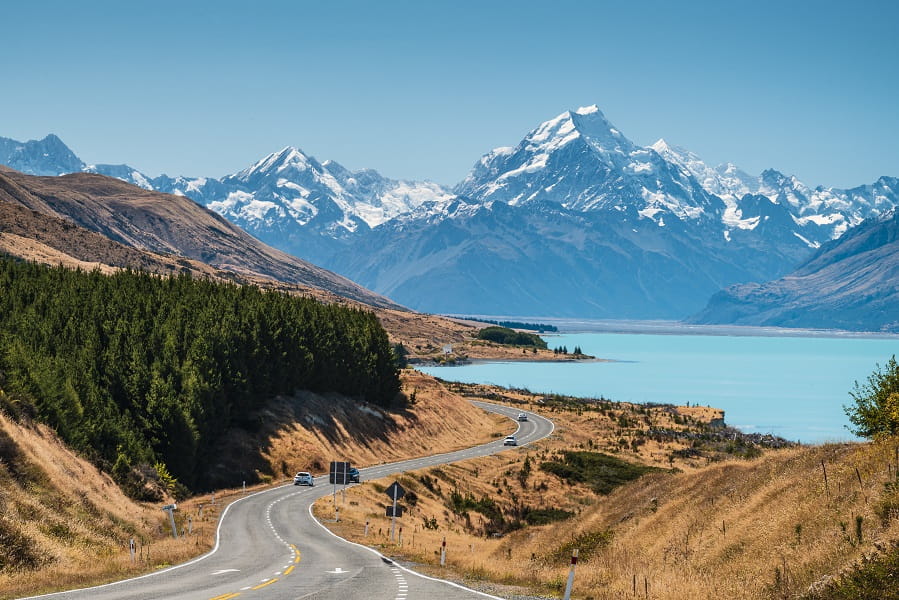
Outside the main cities, most highways are just simple two lane roads—one lane going each way, separated by a line on the road. They wind around big hills, hug tight lake corners, and go over narrow bridges.
Single lane wooden bridges are everywhere, especially down on the South Island! Pay attention to the bridge signs as you drive up:
A blue square sign with a big white arrow pointing forward means you have the right of way.
A white circle sign with a red border and a small red arrow means you must stop and wait for oncoming traffic to cross first.
Slow down, glance across the bridge, and make sure no one is coming before you roll across.

Image source: Pexels
Rental Cars and Campervan Realities
If you want an independent journey, booking your Car rental in New Zealand early is super important, especially during the busier summer months. Summer rental demand is crazy high, which means cars sell out fast in Auckland and Christchurch.
When picking up your vehicle, read your rental agreement carefully regarding inter-island travel.
Some rental companies won't let you take their cars on the Cook Strait ferry between Wellington and Picton. If that is the case, you just drop your car at the northern ferry port and pick up a fresh one when you land on the other side.
It is always smart to stick with reliable rental companies that give you clear terms, fair fuel rules, and solid insurance coverage. You can secure smooth vehicle options with zero hidden charges by choosing to book your rental car with FinalRentals for an easy self-drive experience right from the start.
If you are hopping straight into a car after a long international flight, be careful with jet lag and first day planning. Trying to drive four hours through mountain passes right after a 15-hour flight is super dangerous. Plan to sleep near the airport your first night and start driving when you feel rested.
If you are flying straight down south to start your trip, you can arrange a easy Christchurch International Airport car rental to get your South Island road trip rolling without any hassle.
Original Concept: The 100-1.5 Driving Ratio
In New Zealand, driving 100 km does not take 60 minutes.
Always calculate 100 km as 1.5 hours of actual driving time.
This accounts for narrow roads, winding hills, single lane bridges,
scenic photo stops, and slow moving campervans ahead of you.
If you are feeling a bit nervous about getting behind the wheel on the left side, check out our guide on driving in New Zealand hard for first time visitors before you take off.
The Travel Preparation Framework
To keep yourself organized and make sure you don't miss anything important, use this easy road trip prep framework.
THE 5-STEP NEW ZEALAND TRAVEL SYSTEM
STEP 1: ENTRY & DOCUMENTS
Apply for NZeTA app & pay IVL levy 30 days prior
STEP 2: LOGISTICS & VEHICLE
Book ferry crossings, rental car, & accommodation.
STEP 3: GEAR & BIOSECURITY
Clean hiking boots, tent pegs, and outdoor gear
STEP 4: TECH & APPS
Install Gaspy, CamperMate, and offline maps
STEP 5: SAFETY & PROTECTION
Secure travel insurance and note emergency 111
Step 1: Entry Documents and Visas
Get your NZeTA sorted using the phone app at least a few days before flying out. Check that your passport is valid for at least three months past the date you plan to fly home, and keep a copy of your onward travel ticket ready.
Step 2: Vehicle Booking and Route Planning
Lock in your car and ferry tickets months in advance if you can. If you need some fun ideas on where to go, check out our list covering the 25 best places to visit in New Zealand to map out your dream route.
Step 3: Equipment Cleaning and Biosecurity Prep
Grab an old toothbrush and scrub all the dirt, mud, and grass off your hiking boots, tent pegs, and outdoor shoes. Pack them near the top of your suitcase so you can pull them out easily at customs.
Step 4: Digital Tools and Offline Navigation
Order an eSIM online or pick up a local SIM card at the airport terminal. Download offline maps for both islands on your phone so you don't get lost when driving through rural mobile coverage dead spots.
Step 5: Insurance and Emergency Readiness
Grab a solid policy for travel insurance for outdoor activities. Save local emergency contact details on your phone before taking off on long wilderness walks.
Connectivity, Mobile Networks, and Power Supplies
Having a good phone connection makes finding cheap fuel, open campsites, and weather updates super easy on the road.
SIM Cards, eSIMs, and Mobile Coverage

The main mobile networks here are Spark, One NZ (which used to be Vodafone), and 2 Degrees. You can pick up a physical SIM card at the airport or set up an eSIM before you fly.
A basic travel pack with 5GB to 10GB of mobile data costs around $30 to $50 NZD. Cell service is super fast in cities and towns, but expect your signal to drop out completely when driving through mountain passes, thick forests, or remote beaches.
Downloading offline maps on Google Maps or Maps.me is a lifesaver on road trips, especially where mobile coverage drops out. For a longer New Zealand road trip, plan around realistic driving times rather than map distances. Free WiFi is available at libraries, tourist centers, and cafes.
Electrical Outlets and Power Adapters
Wall plugs in New Zealand use a Type I power socket, which has two angled flat pins and a grounding pin at the bottom. It is the exact same plug shape used in Australia.
Electricity runs at 230V and 50Hz. If your camera gear, phone chargers, and laptops are dual-voltage, you just need a simple power adapter. If you bring high-wattage items like hair dryers from North America, you will need a voltage converter so you don't blow a fuse.
Groceries, Food Costs, and Small Town Essentials
Food and road trip snacks take up a pretty big slice of your daily budget. Shopping smart keeps your wallet happy.
Supermarket Tiers and Budget Grocery Hacks

Image source: Pexels
Eating out at cafes and restaurants for every single meal gets super expensive real fast. Packing simple picnic lunches and cooking dinner at your camp kitchen saves you hundreds of dollars.
NEW ZEALAND SUPERMARKET MATRIX
Store Name | Price Level | Store Style | Best For |
Pak n Save | Lowest | Warehouse | Bulk groceries |
Woolworths | Mid-Range | Standard | Great selection |
New World | Mid to High | Premium | Fresh bakery/deli |
Four Square | Highest | Small local | Quick basics |
Pak n Save: Huge yellow warehouse stores that offer the absolute cheapest prices on groceries, fruit, and snacks.
Woolworths (formerly Countdown): Standard, clean supermarkets with tons of choices in almost every town.
New World: Super nice grocery stores with amazing bakeries, deli counters, and fresh meals.
Four Square: Tiny convenience-stle stores in small rural villages. Perfect for an ice cream or extra milk, but way more expensive for full grocery runs.
Gas Station Hacking and Fuel Savings

Petrol prices can jump around a lot from town to town. Download the free Gaspy app on your phone to check live fuel prices nearby so you don't accidentally buy expensive petrol two minutes before passing a cheap station.
Also, save your paper grocery receipts! Receipts from Woolworths or New World usually have fuel discount barcodes printed on the back, saving you 4 to 6 cents per liter at partner gas stations.
Keep an eye on opening hours in small towns. In rural areas, pharmacy access, shops, and grocery stores close early around 5:00 PM or 6:00 PM, and petrol station pumps switch to automated pay-at-pump card machines overnight. Grab your small town travel essentials early before heading into remote spots.
Weather Patterns, UV Exposure, and Packing Layers
The weather here moves fast! It is totally normal to start your morning in a warm t-shirt, get hit by a cold rain shower at lunch, and finish your afternoon in crisp sunshine.
Understanding Maritime Microclimates

Because New Zealand is a small island surrounded by ocean, weather conditions shift in a flash. Coastal winds and big mountain ranges mean you should always be ready for sudden weather twists.
When planning outdoor day hikes, build in a few weather backup days. If a scenic flight or boat cruise gets cancelled due to low mountain clouds, having a loose schedule lets you try again the next morning without missing out.
Get into the habit of checking the local MetService app every morning before heading out.
UV Light Protection and Clothing Layers
Here is something that catches tons of tourists off guard: you can get a crazy sun burn here in under 15 minutes, even on cloudy, breezy 18°C days!
Because there is very little air pollution and a much thinner ozone layer down here, sunscreen and UV exposure protection is serious business.
Slap on broad-spectrum SPF 50+ sunscreen every morning, and keep your sunglasses and a sunhat in your daypack.
Essential Packing List for Changing Seasons:
- Breathable merino wool base layer
- Lightweight fleece or insulated jacket
- High quality waterproof rain jacket
- Sturdy waterproof hiking shoes
- Broad-spectrum SPF 50+ sunscreen
- Type I electrical power adapter
- Personal refillable water bottle
Māori Cultural Etiquette and Local Terminology
Learning about local customs makes your trip so much richer and connects you to the heart of Aotearoa.
Principles of Māori Cultural Etiquette

Image source: Unsplash
Māori culture is central to life here. Understanding basic cultural norms shows respect when visiting historical grounds, sacred natural sites (tapu), or tribal meeting grounds (marae).
Key Cultural Principles:
- Manaakitanga: Showing deep hospitality, care, and respect to guests.
- Kaitiakitanga: Acting as a caring guardian for nature, oceans, and land.
- Tiaki Promise: A personal commitment to travel
When visiting a sacred place or marae, follow all local signs. Take off your shoes before entering meeting houses, never sit directly on tables used for food, and always ask before taking photos of people or ceremonies.
Useful Te Reo Māori Words and Local Slang
Te Reo Māori is an official language here, and you will hear it used everywhere in daily greetings, airport announcements, and signs.
Kia Ora: Hello, welcome, or good health!
Aotearoa: The Māori name for New Zealand (Land of the Long White Cloud).
Kai: Food or a delicious meal.
Tramping: Local word for hiking or trail walking.
Dairy: The local corner store for snacks, drinks, and milk.
Chilly Bin: A portable plastic cooler for road trip food.
Jandals: Flip-flops or rubber sandals.
Comparing Transport Options in New Zealand
Deciding how to move between islands changes your trip pace and total budget.
NEW ZEALAND TRANSPORTATION OPTIONS COMPARISON
Option Name | Key Feature | Best For | Price/Cost | Rating |
Rental Car | Maximum flexibility | Couples & Families | Mid-Range | 5/5 |
Campervan | Accommodation + car | Road trip lovers | Mid to High | 4.5/5 |
Intercity Bus | Fixed daily routes | Solo travelers | Budget | 3.5/5 |
Domestic Flights | Fast city hops | Time poor trips | Varies | 4/5 |
Passenger Ferry | Cook Strait crossing | Island hopping | $65 - $95 NZD | 4.5/5 |
Recommendation: Renting your own wheels is hands-down the best way to see the country properly. It gives you complete freedom to pull over at hidden lookouts, explore off-the-beaten-path trails, and visit small rural towns that public buses pass right by.
New Zealand Travel Tips: FAQs:
What are the top New Zealand travel tips for first time visitors?
The top New Zealand travel tips include grabbing your NZeTA early using the phone app to save money, scrubbing your hiking boots and outdoor gear spotless to pass biosecurity checks, budgeting 1.5 hours for every 100 km of driving, and buying your groceries at Pak n Save to keep your food budget low.
How much does traveling in New Zealand cost per day?
Budget travelers using campervans or hostels usually spend around $100 to $150 NZD a day. Mid-range travelers staying in private rooms and renting a car spend around $250 to $400 NZD a day. Luxury trips with high-end lodges and helicopter tours run over $700 NZD a day.
Is driving in New Zealand difficult for foreign drivers?
Driving can take a little getting used to because you drive on the left side of narrow roads, deal with winding mountain passes, and cross lots of single lane bridges. But as long as you take your time and stay alert, self-drive road trips are very manageable.
What foods must be declared at customs?
You must declare all fresh fruit, veggies, meat, fish, seeds, honey, and open snack bags. Packaged store-bought snacks like chips or chocolate bars should also be checked on your arrival card just to be safe.
What is the best month to visit New Zealand?
Summer (December through February) gives you warm weather and long daylight hours. Autumn (March to May) has stable weather, gorgeous fall trees, and smaller tourist crowds. Winter (June to August) is great if you want to ski in Queenstown or Wanaka.
How many days do you need for a trip to New Zealand?
Two weeks is the absolute minimum to enjoy one island without rushing. If you want to see the main highlights on both the North and South Islands, plan for three to four weeks.
Do I need cash in New Zealand?
You rarely need paper cash because credit cards and touchless phone payments are accepted almost everywhere. Keeping $50 NZD in small bills is still smart for rural fruit stalls or farm gate honesty boxes.
What is the emergency number in New Zealand?
The national emergency number 111 connects you straight to Police, Fire, or Ambulance. You can dial 111 from any mobile phone, even if your phone doesn't have a working SIM card inside.
Conclusion and Next Steps
Taking a trip to Aotearoa New Zealand is one of those bucket-list journeys you will talk about for the rest of your life. By applying these New Zealand travel tips, sorting your entry forms early, respecting local biosecurity rules, and taking your time on the open road, you are set up for a smooth, stress-free holiday.
Summary of Key Takeaways
Sort Your Papers Early: Get your NZeTA using the mobile phone app to save cash, and double check that your onward travel flight is locked in.
Treat the Land Right: Wash your boots clean to sail through biosecurity inspection, wear strong sunscreen, and follow the Tiaki Promise.
Take the Roads Easy: Give yourself extra driving time on narrow winding highways, grab offline maps, and carry valid travel insurance.
This is the most comprehensive guide to New Zealand travel tips available for your upcoming trip. Bookmark this page so you can check these practical hacks while on the road!
Next Steps Checklist:
Download the official NZeTA app and submit your travel form.
Scrub all dried dirt off your hiking boots and tent pegs.
Grab Gaspy, CamperMate, and offline maps
Author Bio
Jean Genevieve is a travel and car rental content specialist at FinalRentals, creating practical travel content that showcases partner locations worldwide. Her work focuses on helping international travellers understand rental requirements, driving considerations, road conditions, insurance and self drive planning before they travel.
Methodology
This guide was verified against official New Zealand government sources, including Immigration New Zealand's NZeTA and levy fee pages and the Ministry for Primary Industries' biosecurity infringement guidance, current as of September 2026. Fee figures and fine amounts were checked directly against primary sources rather than secondary travel content. Regulatory details are reviewed periodically as fees, levies, and entry requirements change.