Curaçao Rental Car Safety: What to Do With Your Car, Keys and Valuables
October 7th 2026
By Jean Genevieve
Disclosure: Editorial content published by Final Rentals. It links to Final Rentals pages and has no third party sponsorship.
You pull into a beach lot, the bay glows blue below you, and you want to be in the water in five minutes. Your phone is in your pocket, the car key is in your hand, and your passport sits in a bag on the back seat. What you do with those three things next shapes the rest of your day.
That moment is the heart of Curaçao rental car safety. Curaçao has a Level 1 travel advisory, meaning travelers are advised to take normal precautions. Most risks for visitors involve crimes of opportunity, including theft from unsecured property and vehicle break ins. A bag left in plain view can create an easy opportunity, and losing a phone, wallet or driver's license can turn a beach day into hours of paperwork.
If you are planning to explore Curaçao by rental car, the simple question is: where do you leave the things you cannot afford to lose while you are in the water?
in this guide you'll learn
• Whether it is safe to rent a car in Curaçao, and what official sources say
• How to choose parking at Curaçao beaches, from guarded lots to remote bays
• Where to keep your key, phone and wallet while snorkeling or shore diving
• What rental car insurance covers after a break in, and what it leaves out
• The exact steps to take if your rental car is broken into
Table of Contents
1. Is Curaçao Rental Car Safety Really a Concern?
2. Where Should You Park at Curaçao Beaches?
3. How Does Curaçao Rental Car Safety Work While Snorkeling?
4. What Should You Never Leave in a Rental Car?
5. Does Curaçao Car Rental Insurance Cover Theft?
6. What Should You Do If Your Rental Car Is Broken Into?
7. Is Driving in Curaçao Difficult for Tourists?
8. What Does a Safe Beach Day Look Like in Practice?
9. What Do Travelers Ask Most Often?
10. What Should You Take Away From This Guide?
Is Curaçao Rental Car Safety Really a Concern?
Is It Safe to Rent a Car in Curaçao?
Yes, renting a car in Curaçao is generally safe if you take normal precautions. The main concern is opportunistic theft, especially around beaches and unattended parking areas. Keep valuables out of the vehicle, lock the doors and choose visible parking when possible. If you book your Curaçao car rental with Final Rentals, plan ahead and enjoy the island with confidence.
Do Rental Cars Get Broken Into in Curaçao?
Yes, they do, usually as quick crimes of opportunity. The State Department calls crimes of opportunity common and warns against leaving valuables unattended in vehicles or on beaches. Canada lists theft from vehicles as petty theft that occurs , and the Overseas Security Advisory Council (OSAC) calls vehicle break ins a persistent risk within overall crime rates it describes as relatively low.
Curaçao rental car break ins need three things: visible valuables, a quiet lot and an unattended rental car. Remove the first one. A locked car stays safe, but visible valuables stay a target.
Is Curaçao Car Theft a Growing Problem?
Car break-ins are increasing in Curaçao, although overall crime rates remain relatively low. Curaçao car theft is also in local news: in May 2026 an opposition party asked parliament for an urgent debate on vehicle theft and stolen car parts . That is a political request, not an official statistic. Curaçao rental car theft and Curaçao car break ins both shrink with an empty cabin, the cheapest car break in prevention there is.
Where Should You Park at Curaçao Beaches?
Is Curaçao Beach Parking Safe?
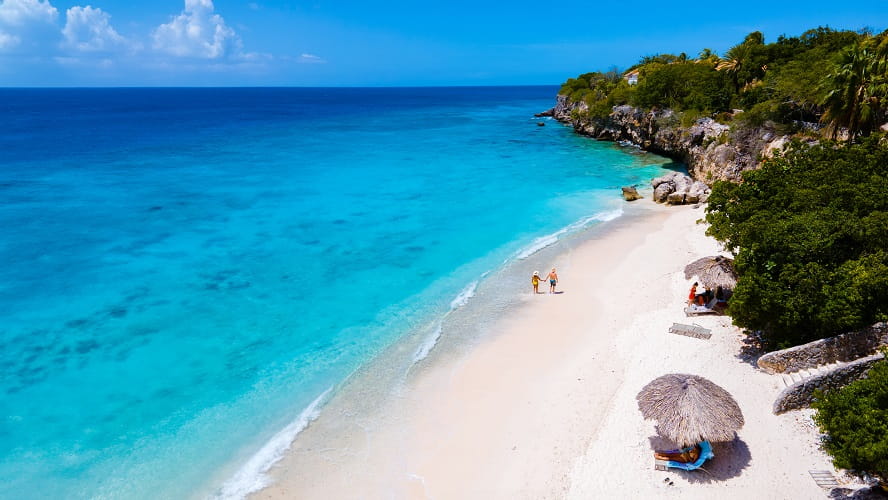
Curaçao beach parking is safe enough for most visits when the lot has an attendant or a security gate. A guarded lot is generally a better choice than a prettier lot with nobody watching. At beaches with staff or security, ask whether they monitor the parking area before leaving your rental car.
Which Curaçao Beaches Need Extra Caution?
Curaçao beach parking safety becomes more of a concern at remote beaches and small informal lots. Remote beaches and informal parking areas used by divers can have less supervision, so take extra care with your belongings. Many bays near Westpunt use roadside or dirt parking with no attendant, so treat remote beach parking as a quick stop.
Playa Kenepa (Grote Knip), Playa Porto Mari, Playa Lagun and Tugboat Beach draw steady crowds, which can provide more activity around the parking area, but a busy lot is not a guarantee against theft. Crowds shift by season, so the best time to visit Curaçao matters too.
What Is the Beach Parking Risk Ladder?
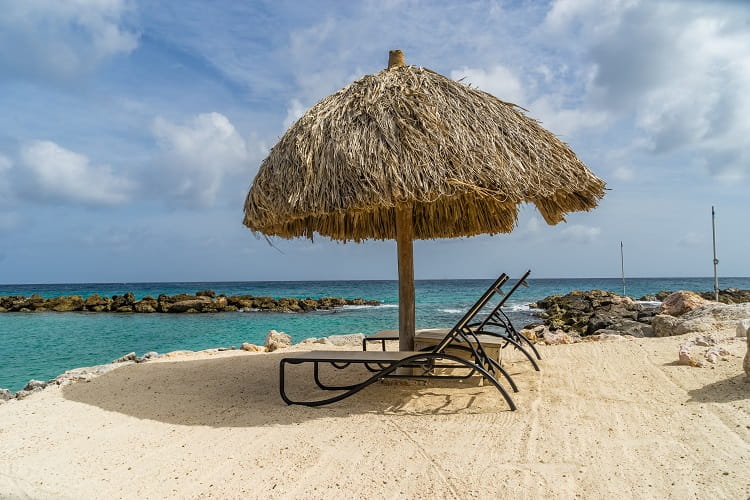
The Beach Parking Risk Ladder ranks five setups from lower to higher risk, based on supervision and foot traffic. The ratings are our editorial judgment, not crime statistics, and Curaçao beach parking safety drops as you move down the table.
Curaçao Rental Car Safety Comparison: Parking Options at a Glance
Option | Key feature | Best for | Typical cost | Risk (our view) |
|---|---|---|---|---|
Hotel or resort lot | Gated or monitored | Overnight parking | Usually free for guests | Lower |
Paid beach, guarded lot | Attendant on site | Full beach days | Entrance fee | Lower |
Beach club lot | Staff nearby | Lunch and swims | Often free for guests | Lower to medium |
Busy public lot | Many visitors around | Short snorkels | Usually free | Medium |
Remote roadside lot | No attendant | Quick photo stops | Usually free | Higher |
Winner for long water days: a paid beach with a guarded lot. For overnight parking, a hotel lot wins.
What Are the 5 Steps Before You Leave the Car?
Step 1: Pack at the hotel. Put the passport, spare cards and extra cash in the room safe.
Step 2: Clear the cabin early. Load bags into the trunk before the lot, since watchers see what you move.
Step 3: Park near the entrance. Stay close to staff or other people.
Step 4: Lock, test and photograph. Pull each handle and photograph the empty cabin.
Step 5: Carry the essentials. Keep the key, phone and one card in a sealed pouch.
How Does Curaçao Rental Car Safety Work While Snorkeling?
Where Do You Put Your Car Keys While Snorkeling?

Keep the key on your body in a sealed waterproof pouch. Hiding it near the car or in a towel is the riskiest choice. Many rental keys are an electronic key fob, and a lost fob can mean a recovery fee and a locked car far from help. A waterproof pouch or dry bag on a cord holds a fob and a card, and a dive egg suits a single key. Test the seal with a tissue inside before you swim.
Where Do You Put Valuables While Snorkeling?
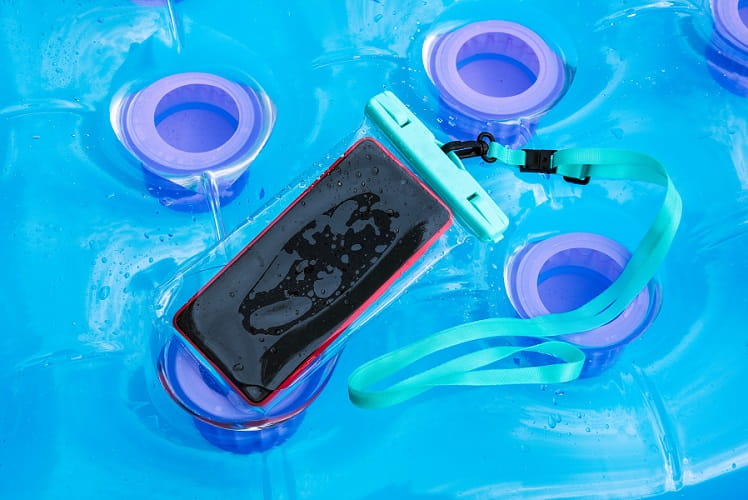
Bring only what you can carry into the water, and leave the rest in your accommodation. We call this the Carry, Stash, Leave Method. Carry the key fob, one card and your phone in a sealed waterproof bag. Stash towels and fins in the trunk before you arrive. Leave the passport, spare cards and extra cash in the room safe, with a passport photo on your phone. Carry what you need, stash what you would not miss, and leave what you cannot replace.
What About Shore Diving and Beach Lockers?
Long snorkels and shore diving from public lots keep you away from the car for an hour or more. Shore diving car safety starts with a buddy, a quick question to the local dive shop about which lot is watched, and beach lockers where they exist. Some paid beaches, such as Cas Abao Beach, have lockers, so ask staff how they work.
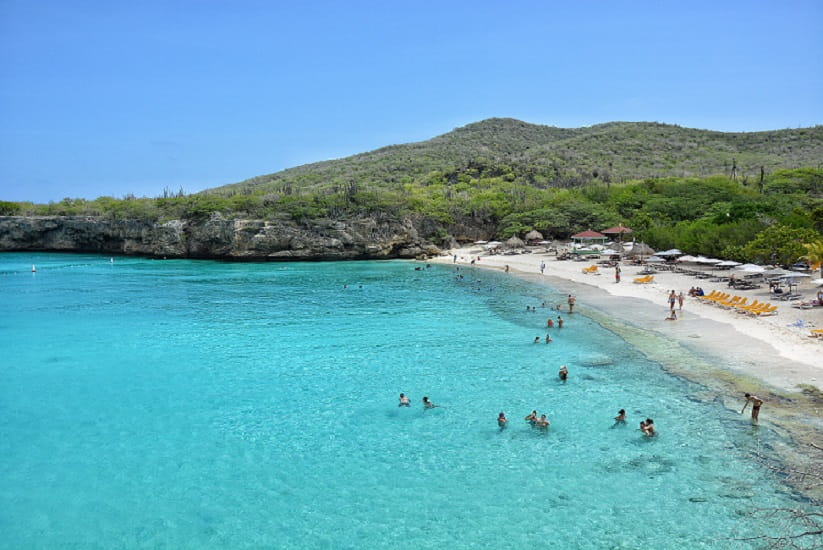
Curaçao beach safety also covers the water. Strong trade winds can create choppy seas and strong currents on windward coasts, whether you are swimming, snorkeling or scuba diving.
What Should You Never Leave in a Rental Car?
Is It Safe to Leave Luggage in the Car?
No, luggage should not stay in a parked rental car, even in the trunk. A full trunk invites a look. If you land and want a beach first, drop the bags at your hotel, and for a late checkout ask the hotel to hold them.
Which Documents and Gadgets Should Stay With You?
Your passport, driver's license, phone, wallet and camera should stay with you or in a safe. Passports are difficult to replace during a short trip, so keep a secure copy separately. Keep rental papers and other personal belongings out of view, as they can make the car easier to identify as a rental.

Does Curaçao Rental Car Security Start at Pickup?
Yes, Curaçao rental car security starts at pickup, while you can still shape the setup. If you collect keys at Curaçao International Airport car rental desks, photograph every panel and test each lock.
Ask whether the trunk has a cover, since a hidden trunk protects beach gear. A hatchback with a cover or an SUV with a cargo area works, and cars for Curaçao beaches range from compact to 4x4.
Pro tip: Photograph the empty cabin and open trunk before you walk away. If a window is smashed later, the photo supports your police report and your report to the rental company.
Does Curaçao Car Rental Insurance Cover Theft?
Standard rental car insurance in Curaçao protects the car itself. Your belongings need their own cover, so read the rental agreement before you decide what to buy.
What Does a Loss Damage Waiver Cover?
A loss damage waiver ( LDW)usually covers the rental car, and items taken from inside fall outside it. Many Curaçao car rental insurance packages include a collision waiver with a deductible, so you pay the first part of a claim. Ask what the deductible is and whether glass, locks and tires count.
Are Stolen Belongings Covered?
Usually not by the waiver, so check three places. Your rental company, home or renters policy, and travel insurance may each offer different protection for belongings stolen from a rental car. Coverage and limits vary, so check the terms before your trip. Rental coverage generally relates to the car, while separate insurance may cover your belongings.
Do You Need Extra Theft Protection?
You may skip it if credit card coverage, a personal policy or travel insurance already gives you the insurance coverage. Ask the rental company how a break in insurance claim works and what the deductible is.
What Should You Do If Your Rental Car Is Broken Into?
Call 911, protect the scene and tell the rental company before you repair anything. Report fast, photograph everything, and repair nothing until the rental company agrees.
What Are the First Steps After a Break In?
Step 1: Move to a safe, public spot. Touch broken glass as little as possible.
Step 2: Dial 911. The State Department confirms 911 reaches police and fire services, and Politur is the tourist police
Step 3: Photograph everything. Capture the damage, the lot and missing items before you move anything.
Step 4: Call the rental company. Follow its instructions before any repair. Our guide on what to do if your rental car is vandalized covers claims.
Step 5: Get a police report. Ask for a written report or a report number.
Step 6: Protect your accounts. Cancel stolen cards and tell your travel insurer. If a passport is missing, call your consulate, which can replace it .
Who Pays for the Damage?
That depends on your rental agreement, your waiver and the deductible. If you declined the waiver, you may owe repair costs. Keep receipts, ask for charges in writing, and use your photos and police report in any dispute.
Is Driving in Curaçao Difficult for Tourists?
What Does Curaçao Driving Safety Look Like?
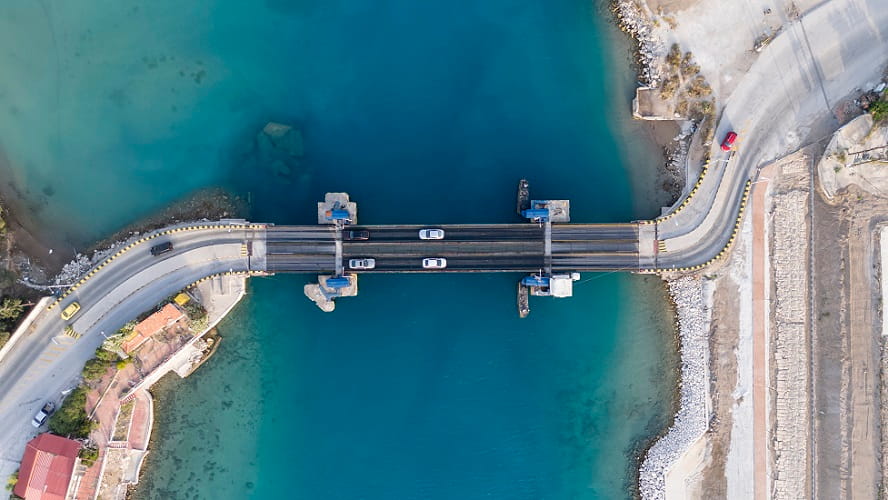
No, driving in Curaçao is not difficult for most tourists. The State Department notes international road signs, speed limits in kilometers per hour, common roundabouts, scooters that may ignore traffic rules, and iguanas and donkeys on rural roads . Rental car safety in Curaçao also covers the drive, and good Curaçao driving safety means a calm pace on narrow western roads.
Where Should You Take Extra Care After Dark?
Take extra care on unlit rural roads and isolated lots at night, since potholes can be difficult to see after dark. There are no specific neighborhoods you need to avoid; instead, be more cautious around remote areas, informal parking and unpatrolled beaches after dark.
Among Curaçao safety tips, these matter most: travel in pairs, stay in well traveled areas, and use secure parking overnight, including in Willemstad. Curaçao safety for tourists mostly comes down to these basics.
What Does a Safe Beach Day Look Like in Practice?
Before: The Unplanned Stop
We pull into a roadside bay near Westpunt around midday, ready for a quick snorkel. I leave the key fob wrapped in a towel, while our phones and wallet stay in a backpack on the back seat. The passport is still in the glove box. At the time, it feels like we're only leaving the car for a few minutes.
After: The Planned Stop
The next beach day feels different. I leave the passport in the room safe and put the towels in the trunk before we leave the hotel. Our key fob, one card and phones go into waterproof pouches that stay with us. We choose a beach with a guarded lot, park near the entrance and take a quick look inside the empty car before heading into the water. It takes little extra effort, but I spend the afternoon thinking about the beach instead of the car.
What Do Travelers Ask Most Often?
Is it safe to leave things in a rental car in Curaçao?
No, it is not safe to leave things in a rental car in Curaçao, even for a short beach stop. Keep your valuables with you rather than leaving them visible or unattended in the car. Take important items with you or leave what you do not need securely in your hotel safe.
Is it safe to park a rental car at Curaçao beaches?
Yes, it is generally safe when the lot is attended and the cabin is empty. Pick guarded lots first, busy public lots second, and treat remote roadside lots as short stops. Photograph where you parked.
Where do you put your valuables while snorkeling in Curaçao?
Put what you can carry in a sealed waterproof bag and leave the rest in your hotel safe. A dry bag on a cord holds a phone and a card. Ask staff at paid beaches about lockers, and never leave a bag on the sand.
Do rental cars get broken into in Curaçao?
Yes, rental cars do get broken into in Curaçao, mostly as crimes of opportunity. Thieves look for bags in view, so a clean cabin is the best defense against Curaçao car break ins. After a break in, call 911 and the rental company. Curaçao rental car theft claims move faster with photos and a police report.
Where do you put your car keys while snorkeling in Curaçao?
Keep the key on your body in a sealed waterproof pouch, a dry bag or a dive egg. An electronic key fob may fail if it gets soaked, so test the seal before you swim. Never hide the key near the car.
What are the basics of Curaçao rental car safety?
Curaçao rental car safety comes down to four habits: an empty cabin, attended parking, a sealed carry pouch and a locked car every time. Add a photo of the empty cabin at each stop, and you have covered the main risks.
Is Curaçao rental car safety different at remote beaches?
Yes, remote beaches need stricter habits for Curaçao beach safety. Go with a buddy, keep valuables out of the car entirely, and avoid long swims when nobody can keep an eye on the parking area. Remote and informal beach parking simply gives you less visibility and supervision, so keep your stop short when possible.
Does Curaçao rental car safety change after dark?
Yes, night adds risk because lighting is limited and isolated lots are quiet. These Curaçao safety tips help: park in lit, busy areas, use hotel parking overnight, and take every item with you. Canada advises avoiding unpatrolled beaches after dark .
What Should You Take Away From This Guide?
Curaçao rental car safety rests on three habits. First, park where someone is watching, and treat remote or informal lots as short stops. Second, keep the cabin empty and carry only your key, phone and one card in a sealed pouch. Third, know your coverage: the waiver protects the car, and travel insurance or your own policy protects your belongings. So, is it safe to rent a car in Curaçao? Yes, and these habits cut the odds of Curaçao rental car break ins. Bookmark this page for your packing list.
Next steps
• Confirm your waiver, deductible and personal effects options before you pay.
• Book affordable car rentals for your trip and choose a car with a covered trunk.
Quick summary
• Curaçao is Level 1, and car break ins are still the main visitor risk.
• Guarded lots beat informal lots, and remote beaches need the strictest habits.
• Rental insurance covers the car, and belongings need their own cover.
A safe trip starts with clear rental terms and a car that fits your plans.
Book your affordable car rental with Final Rentals and pick up your keys with confidence.
Read the agreement, ask about coverage, and enjoy the island.
About the author
Jean Genevieve is a travel and car rental content specialist at FinalRentals, creating practical travel content that showcases partner locations worldwide. Her work focuses on helping international travellers understand rental requirements, driving considerations, road conditions, insurance and self drive planning before they travel.
Methodology
This guide was researched and verified while writing using current official travel and safety guidance, rental car policies, and relevant traveler information. Key claims about vehicle security, beach parking, theft, insurance, and reporting procedures were cross checked for consistency and reviewed on October 5, 2026. Practical recommendations were assessed against common situations travelers face when parking, snorkeling, swimming, or shore diving with a rental car in Curaçao. For the latest official safety guidance, see the "U.S. Department of State’s Curaçao Travel Advisory" . Rental and insurance terms can vary by provider, so confirm your own agreement and policy before traveling.