Best Time to Visit Curaçao: Seasons, Weather, and Events

November 28th 2025
Updated October 2026
The best time to visit Curaçao is December through April, when rainfall is lowest, humidity eases, and Carnival season fills the streets. Travelers chasing lower prices and thinner crowds do better from May to November, when hotel rates often drop 20 to 50% and the island stays warm, sunny, and dry enough for diving and beach days.
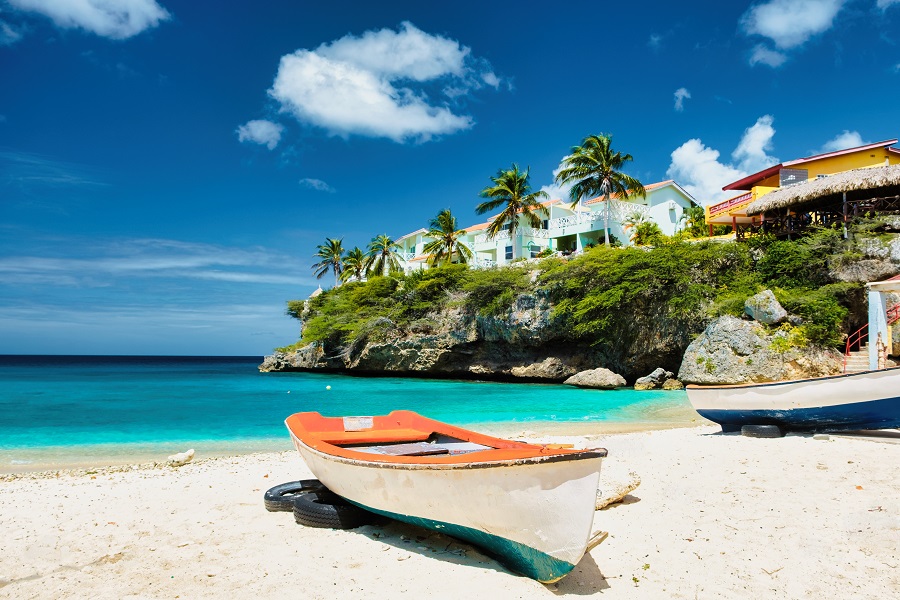
Curaçao is the kind of island that photographs don’t quite prepare you for. The pastel buildings of Willemstad, the pontoon bridge that swings open for passing boats, the water that stays the same turquoise whether you’re standing on a cliff or floating face-down over a reef. It’s warm almost every day of the year, and that’s exactly why picking a date feels harder than it should.
There genuinely isn’t a bad month to go. But “fine” and “ideal” are different things, and your ideal depends on whether you’re chasing dry skies, cheap flights, Carnival energy, or an empty beach. This guide walks through every season, the real weather numbers, the events worth planning around, and the planning details that actually change how your trip feels once you land.
Key Takeaways
Curaçao sits outside the main Atlantic hurricane belt, but it is not hurricane-proof. The Curaçao Meteorological Service has issued storm watches during recent seasons (Hurricane Matthew in 2016, Hurricane Beryl in 2024), so travel insurance still matters June through November.
February and March usually bring the clearest water and lowest humidity, making them the top window for diving, snorkeling, and underwater photography.
Hotel and flight prices can swing by 40 to 60% between late December and the shoulder months, so the same trip can cost dramatically less if you shift it by just a few weeks.
Curaçao Carnival runs on a moving calendar tied to Ash Wednesday, not a fixed date, so always confirm the current year’s parade schedule before booking flights around it.
Table of Contents
Curaçao at a Glance
Curaçao’s Seasons: Peak, Shoulder, and Low
Curaçao’s Weather, Rainfall, and Hurricane Risk
Best Activities in Curaçao by Season
Curaçao’s Events and Festivals
Where to Stay in Curaçao
Tips to Make Your Curaçao Trip Smooth
Frequently Asked Questions
Final Verdict: When Should You Go to Curaçao?
Curaçao at a Glance
Curaçao is the largest of the “ABC Islands,” alongside Aruba and Bonaire, sitting about 65 km (40 miles) north of the Venezuelan coast. The island covers 444 km² (171 sq mi), small enough to drive end to end in under an hour. As of January 1, 2026, Curaçao’s population stood at 158,006 residents, according to the island’s Central Bureau of Statistics (CBS).
Dutch, African, Latin American, and Caribbean influences shape the food, music, and architecture here. The capital, Willemstad, is a UNESCO World Heritage Site split into two historic districts, Punda and Otrobanda, joined by the Queen Emma Pontoon Bridge, a floating bridge that swings open whenever a ship needs to pass.
Flights land at Curaçao International Airport (Hato Airport, IATA code CUR), about 15 to 20 minutes from downtown Willemstad. The island’s highest point, Mount Christoffel, rises 372 meters inside Christoffel National Park. The official languages are Papiamentu, Dutch, and English, and most people working in tourism also speak Spanish, so getting around is rarely a communication problem.
Curaçao’s Seasons: Peak, Shoulder, and Low
Curaçao doesn’t have four seasons. It has one long warm, mostly dry climate that travelers divide into three practical windows based on crowds, prices, and rainfall, not temperature.
Peak Season: December to April
This is the busiest and most expensive stretch of the year, and also the driest. Daytime highs run 82 to 88°F (28 to 31°C) with nights around 77°F (25°C). Rain is rare enough that most visitors never see more than a passing shower.
Beaches like Jan Thiel and Mambo Beach fill up, restaurants in Pietermaai book out on weekends, and flights from the US East Coast can run $300 or more round trip during the busiest weeks. Hotels typically charge their highest nightly rates of the year, and popular properties sell out 4 to 6 months ahead of major holidays and Carnival.
February and March tend to bring the gentlest humidity and the clearest skies of the whole year, which is also why dive operators consider them the strongest months for underwater visibility.
Shoulder Season: Late April to June, and September to Early November
This window offers the best trade-off for travelers who want good weather without peak-season prices or crowds. Short rain showers do happen, usually at night, and June brings slightly stronger trade winds that kitesurfers and windsurfers specifically chase.
Hotel and flight rates typically run 20 to 40% below peak pricing, and popular dive sites and restaurants feel noticeably less crowded. This is generally the sweet spot for travelers who want to explore at their own pace rather than compete for beach chairs.
Low Season: July, August, and Mid-November
Fewer tourists translates to the lowest prices of the year. August is typically the sunniest month on the island, averaging more than 9 hours of sunshine daily, though humidity climbs to 75 to 80%, the highest of the year alongside November.
Hotels can run 40 to 50% below peak rates, and it’s common to find long stretches of beach with almost no one on them. The trade-off is heat: daytime highs can reach 88 to 89°F (31 to 32°C), though steady sea breezes keep it from feeling oppressive most days.
Season | Months | Daytime Temp | Crowd Level | Price vs.Peak | Best For |
|---|---|---|---|---|---|
Peak | Dec – Apr | 82–88°F | High | Highest (baseline) | Driest weather, Carnival, first-time visitors |
Shoulder | Late Apr–Jun, Sep–early Nov | 84–87°F | Moderate | 20–40% lower | Value seekers who still want dry, sunny days |
Low | Jul–Aug, mid-Nov | 85–89°F | Low | 40–50% lower | Budget travelers, solitude, empty beaches |
Curaçao’s Weather, Rainfall, and Hurricane Risk
Curaçao stays warm and mostly dry all year, with daytime temperatures in the low-to-mid 80s°F, roughly 21 inches of annual rainfall concentrated between October and December, and a hurricane risk that is low but not zero.
Average ocean temperature holds steady at 80 to 82°F (27 to 28°C) year-round, so you can swim comfortably without a wetsuit in any month. Sunshine averages 8.3 to 8.5 hours a day island-wide, with August typically the sunniest month and November the cloudiest. Humidity sits in the 70 to 80% range, peaking in November.
Rainfall is concentrated in short, often nighttime bursts from mid-October through December, when monthly totals run roughly 3 to 4 inches. Even in these wetter months, rain rarely lasts long enough to disrupt a full day of plans.
On hurricanes: Curaçao sits outside the main Atlantic hurricane belt, at roughly 12°N latitude, and an analysis of NOAA’s HURDAT2 storm database shows the island has not taken a direct hurricane hit since an unnamed 1892 storm. That track record is genuinely unusual for the Caribbean. It does not mean the island is immune. Curaçao’s own Meteorological Service has publicly warned that residents should stay prepared, noting that Hurricane Beryl passed roughly 300 km north of the island in 2024 and triggered a rough-seas warning, and Hurricane Matthew prompted a tropical storm watch for Curaçao in 2016. If you’re traveling June through November, travel insurance that covers trip interruption is still a reasonable precaution, even though a direct hit remains statistically rare.
Pack reef-safe sunscreen, a light rain layer for October through December evenings, and sandals you don’t mind getting wet. A weather app like Windy is useful for spotting short-lived afternoon showers, but it rarely changes the plan for the day.
Best Activities in Curaçao by Season
Curaçao’s main draws, beaches, diving, hiking, and local culture, are available year-round, but each has a window where conditions are noticeably better.
Beaches
With 35 named beaches, there’s no shortage of options in any season. Cas Abao has calm, shallow water that suits families. Grote Knip (Playa Kenepa) offers dramatic cliffs over clear water. Playa Lagun is a small cove where sea turtles are regularly spotted close to shore. Peak season delivers the most reliably dry beach days; shoulder season trades a little predictability for noticeably thinner crowds at the same beaches.
Diving and Snorkeling
Curaçao has roughly 65 dive sites, many reachable directly from shore, with visibility that can exceed 100 feet. December through April typically offers the driest air and clearest water for diving and underwater photography. September and October bring the island’s coral spawning event, a short annual window when reefs release eggs and sperm in a synchronized spawn, drawing dedicated night-diving trips. Beginner dive trips generally start around $60.
Hiking and Outdoor Adventures
Cooler, less humid stretches in May through June and September through November make for more comfortable hiking. Christoffel National Park climbs to the island’s 372-meter high point with sweeping views, while Shete Boka National Park lets you watch waves crash into coastal sea caves. The Hato Caves offer a shaded, air-conditioned break from the heat with limestone formations and resident bats.
Culture and Food
Willemstad’s markets and museums run year-round, but shoulder season gives you more breathing room to actually talk with vendors and artists instead of rushing through. The Kura Hulanda Museum covers the island’s history and African heritage in depth, and the Floating Market on Sha Caprileskade still sees boats arrive from Venezuela selling fresh produce. For food, keshi yena (a baked cheese dish stuffed with spiced meat) remains the dish most worth seeking out, and Jaanchie’s in Westpunt is the long-running favorite for fresh seafood.
Curaçao’s Events and Festivals
Curaçao’s event calendar runs heaviest from January through April, with Carnival as the anchor event, though the exact Carnival dates shift every year because they’re tied to the Christian calendar.
Curaçao’s 2026 Carnival season ran from its official opening on January 3 through the Gran Marcha (Grand Parade) on February 15 and the closing Marcha di Despedida on February 17, an earlier calendar than usual. Because Carnival dates move with Ash Wednesday, the exact 2027 schedule will differ. Confirm current dates on the official Curaçao tourism board site before booking flights around the parades.
Timeframe | Event | What to Expect |
|---|---|---|
Late Dec – early Jan | Pietermaai Pagara, New Year’s street party | Fireworks, live music, street food into the early morning |
January | Fuikdag | Boat party in Fuik Bay; rent a boat for roughly $50 |
January – February | Carnival season | Youth parades, Tumba music competitions, queen elections |
Mid-February | Gran Marcha (Grand Parade) | The island’s largest parade; dates move yearly |
Late March / April | Plein Air Curaçao | Outdoor painting festival with public workshops |
April | Curaçao Culinair | Tastings from 50+ restaurants; tickets around $75 |
April 27 | Koningsdag (King’s Day) | Orange-clad street parties, markets, and DJs in Punda |
August (biennial) | Kaya Kaya Street Party | Block party across Otrobanda with local art and food |
Late Aug – Sept | North Sea Jazz Festival Curaçao | Historically a major international lineup; has seen recent hiatus years, so confirm it’s running before booking around it |
September – October | Coral spawning dives | Night dives timed to the reef’s annual spawning event |
October | Curaçao Pride | Five-day LGBTQ+ celebration with a Pride Walk through Willemstad |
November | KLM Curaçao Marathon | Scenic course crossing the Queen Emma and Juliana bridges |
Where to Stay in Curaçao
Accommodation in Curaçao spans roughly $60 to $500+ per night, and location matters as much as price category.
Budget ($60–$100/night): Apartments and guesthouses in Jan Thiel or Westpunt, many within walking distance of the beach.
Mid-range ($120–$200/night): Hotels like Avila Beach Hotel in Punda, which combine a historic setting with pools and water views.
Luxury ($300–$500+/night): All-inclusive resorts and private-villa properties with beach access, multiple dining options, and water sports included.
The West End sits closest to the island’s best-known beaches and dive sites. The East End feels quieter and more residential. Willemstad itself is the strongest base for culture, nightlife, and walkable restaurants.
Tips to Make Your Curaçao Trip Smooth
Booking 3 to 6 weeks ahead works well most of the year, but during December through April and Carnival week, availability tightens fast enough that waiting even a week or two can mean paying noticeably more.
In low season, the opposite is often true. Flexibility pays off, since hotels and car rental companies frequently drop rates closer to the travel date to fill empty inventory.
Getting around: Curaçao’s bus network exists but runs on inconsistent schedules, which isn’t ideal if you want full days rather than hours lost waiting at stops. Most visitors pick up a rental car directly at Curaçao International Airport the moment they land, which typically runs around $40 a day depending on season and vehicle class. Booking your Curaçao International Airport car rental ahead of arrival avoids negotiating with whoever happens to still have a car available at the counter. If your plans include beach-hopping along the west coast or the hiking trails near Christoffel Park, it’s worth comparing vehicle types first. A guide to the best cars for exploring Curaçao’s beaches, towns, and trails breaks down which body stle actually holds up on the island’s rougher back roads versus the paved coastal routes. For a straightforward airport pickup with transparent pricing, you can book your hassle-free Curaçao car rental with Final Rentals rather than comparing counters in person.
Money and practical details: US dollars are accepted almost everywhere alongside the local Antillean Guilder, credit cards work at most established businesses, and ATMs are common in Willemstad and tourist areas. Tap water on the island is desalinated and generally considered safe to drink, so bottled water usually isn’t necessary. Power outlets follow the US standard, so travelers from North America won’t need an adapter.
What to pack: A few swimsuits, breathable clothing, reef-safe SPF 50+, evening bug spray, sandals, sneakers for hiking, and one slightly dressier outfit for nicer restaurants covers nearly every scenario on the island.
Travel insurance: Medical care on Curaçao is generally considered good, but costs for visitors without coverage can add up quickly, and water sports injuries (coral scrapes, rocky entry points) happen more often than people expect. A policy covering medical costs, rental car damage, and flight interruption is worth the relatively small upfront cost.
Traveling with kids: Calm beaches, short driving distances, and well-stocked supermarkets make Curaçao an easy family destination. Car seat availability can vary by rental provider and season, so confirm one is reserved in advance rather than assuming it will be available at pickup.
Traveling with pets: Many hotels allow pets only with advance notice, so confirm policy before booking. Bring vaccination records, and plan walks for early morning or evening, since midday heat is harder on animals than on people.
Nature etiquette: Avoid touching coral, turtles, or any marine life. Reef-safe sunscreen matters here specifically because Curaçao’s reefs are a core part of both the ecosystem and the tourism economy; a rash guard is a reasonable substitute if you’d rather skip sunscreen in the water entirely.
Expert tip: If your trip falls in the October to December rain window, build in one flexible, indoor-friendly afternoon (the Kura Hulanda Museum or a distillery tour both work well) rather than planning every hour around the beach. Showers are short, but they’re also somewhat unpredictable day to day.
Expert tip: Travelers chasing the clearest water for photography or diving should target the first half of February specifically. It typically lands after the holiday crowd thins out but before Carnival and spring break traffic picks back up, giving you calm seas without the February-March crowd spike closer to Carnival itself.
Ideal trip length: Most travelers find 7 to 10 days the right balance. Shorter trips tend to feel rushed given how spread out the island’s beaches are; longer trips often mean repeating the same spots by day eight or nine.
Frequently Asked Questions
What is the single best month to visit Curaçao?
February. It typically combines low humidity, minimal rain, and the clearest water of the year, landing after the holiday rush but usually before Carnival’s busiest week.
Does Curaçao get hurricanes?
Direct hits are rare. NOAA storm data shows none since 1892, but the island’s Meteorological Service has issued storm watches in recent years, including for Hurricane Beryl in 2024, so it is not risk-free.
What’s the cheapest time to visit without bad weather?
Late May to early June, or September into October. Rates typically drop 20 to 40% while the weather stays mostly dry and sunny.
Is July or August too hot to enjoy?
It’s warm and humid, but steady trade winds and frequent ocean dips keep it manageable, and beaches are far less crowded.
When should I avoid visiting if I dislike crowds?
Mid-December through Easter week, when Carnival, holidays, and school breaks overlap and push up both crowds and prices.
Can I dive well during the rainier months?
Yes. Rain from October to December is usually short and falls at night, so water clarity stays largely unaffected, and the coral spawning event in these months is a genuine draw.
Is early December cheaper than late December?
Significantly. Prices in Curaçao typically rise 40 to 60% after December 20 as holiday demand peaks; booking before the 20th keeps costs closer to shoulder-season levels.
Which months have the clearest water for photos?
February through April, when low rainfall keeps runoff and sediment to a minimum and visibility regularly exceeds 100 feet.
Are mosquitoes a problem in Curaçao?
Generally no. Constant trade winds and a dry climate keep numbers low year-round, with a slight uptick near ponds during October and November’s brief rainy spells.
When are the seas calmest for people prone to seasickness?
January through April. Trade winds are steady but mild, making boat trips and ferries noticeably smoother than in June through August.
When is the best time for a couples’ trip?
Late April to early June. Resorts feel quieter, Carnival chaos has passed, and Koningsdag on April 27 adds a festive but low-key highlight.
Final Verdict: When Should You Go to Curaçao?
There’s no wrong month to visit Curaçao, but the choice does come down to what you’re optimizing for.
Choose December to April if you want the driest weather, Carnival energy, and don’t mind paying peak rates or booking months ahead.
Choose May to November if lower prices, thinner crowds, and a slower pace matter more to you than guaranteed dry skies every single day.
Either way, the planning that matters most happens before you land: lock in accommodation early if you’re traveling in peak months, and sort out ground transportation before you touch down so the first hour of your trip isn’t spent at a rental counter. If a reliable set of wheels is still on your list, you can book your affordable car rental with Final Rentals and get straight to the beach.
About the Author
Final Rentals Editorial Team
The Final Rentals Editorial Team is a group of travel researchers and mobility experts dedicated to creating accurate, practical, and up-to-date travel content for drivers worldwide. Our articles are based on official tourism resources, local driving regulations, and destination research to help travellers plan safer and more enjoyable journeys. From car rental advice to road trip guides and local travel tips, we provide reliable information to help you explore with confidence.