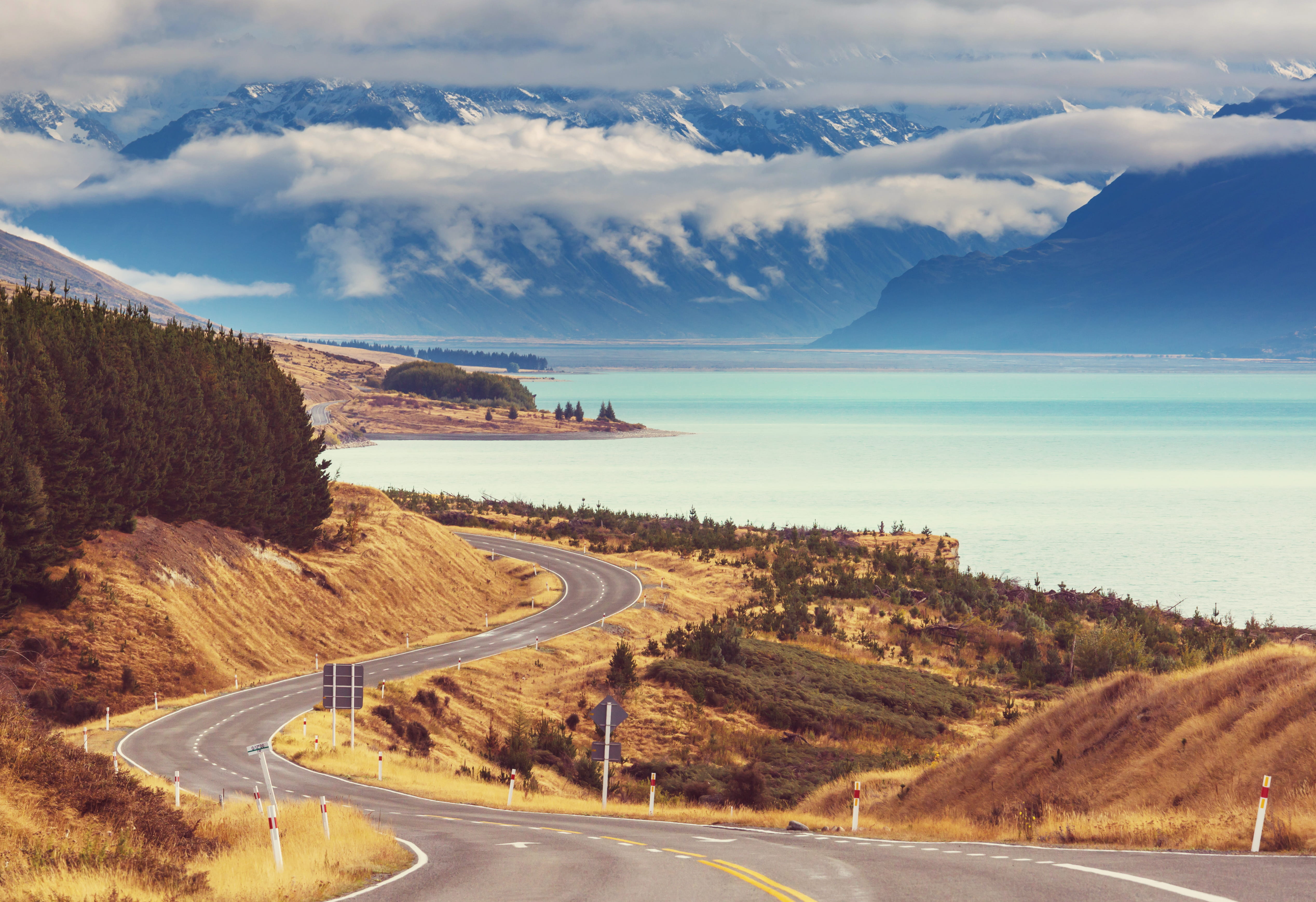
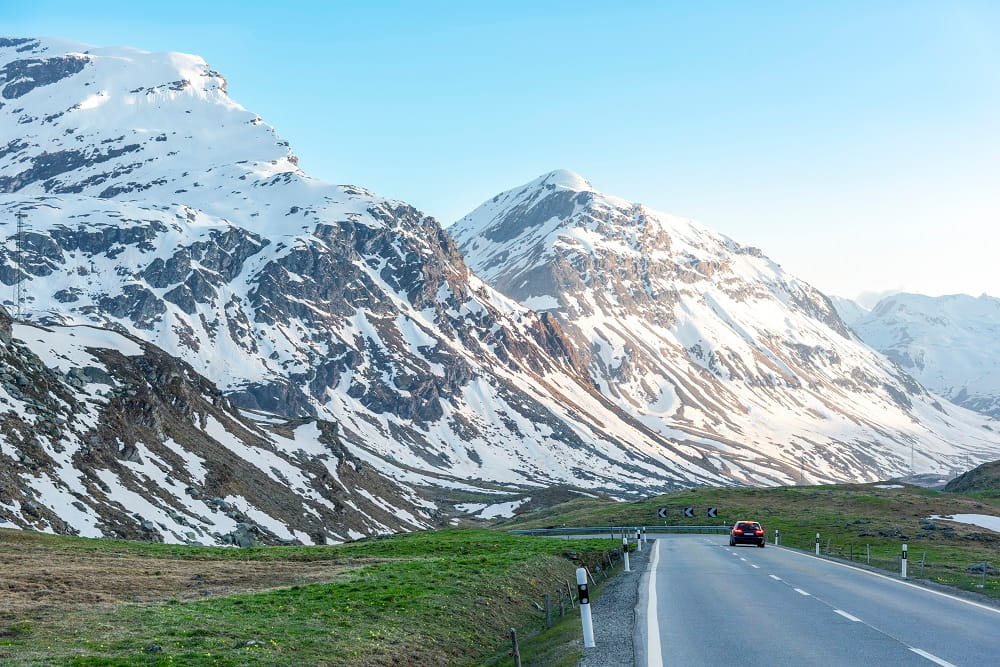
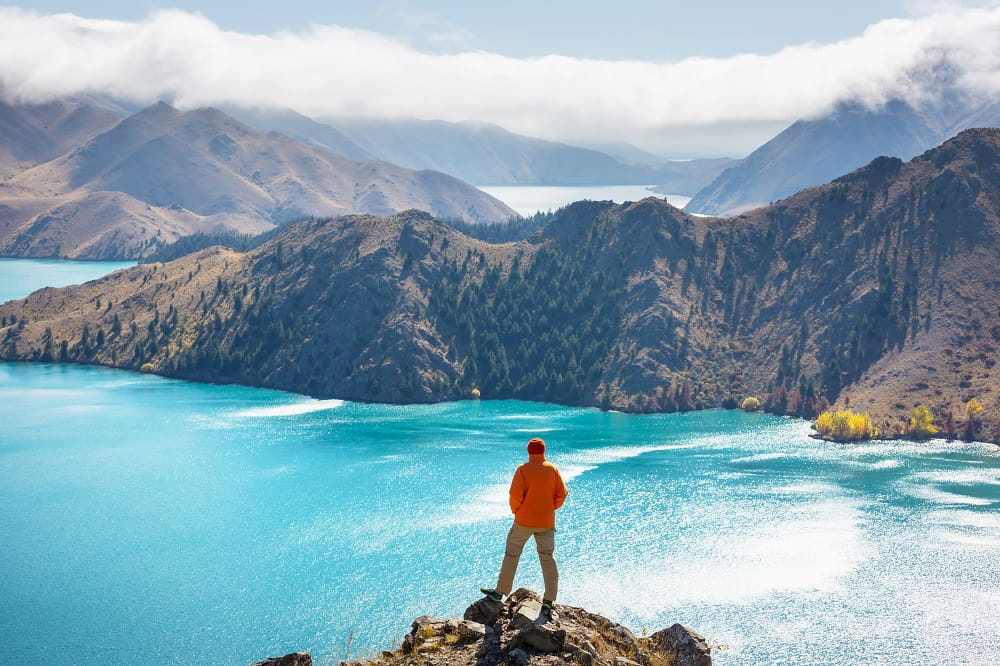
Best Time to Visit Switzerland: Weather, Seasons and Tips
September 25th 2026
By Jean Genevieve
The best time to visit Switzerland depends on what you actually want to do there. For reliable hiking weather, open mountain roads, and long daylight hours, June through August works best. For fewer crowds with weather that still feels like summer in the lower valleys, September is often the best time to visit Switzerland. For skiing and snowy Alpine scenery, plan between December and March. There is no single best month to visit Switzerland that works for every traveler, because the country changes so much by altitude and by region.
I used to think choosing the best time to visit Switzerland would be simple. Summer for the mountains. Winter for snow. Autumn for the colors. Spring for the flowers.
Then Switzerland made that kind of thinking feel almost silly.
The first thing I noticed was how fast the scenery changed with altitude. I could be standing next to a lake in comfortable weather, then an hour later need another layer somewhere in the high Alps. The forecast for Zurich or Lucerne told me almost nothing about what the afternoon would look like around Jungfrau or Zermatt.
That is when I stopped asking what the best month to visit Switzerland is. I started asking what I actually wanted Switzerland to look like when I got there.
This guide walks through every season, the altitude rule that changes how you should pack, the best time to visit Switzerland for hiking, how mountain pass closures affect a Switzerland road trip, and a full comparison table plus FAQ section for quick planning.
KEY TAKEAWAYS
The best time to visit Switzerland shifts with altitude. Weather in Zurich or Lucerne rarely predicts conditions near Jungfrau, Zermatt, or St. Moritz on the same day.
June through August is the peak season for hiking, lake swimming and long days, along with the highest prices and the biggest crowds.
September and October are widely seen as the best time of year to visit Switzerland for hikers and photographers who want space and color without giving up decent weather.
Several major Alpine passes, including Furka, Grimsel, Susten and Nufenen, typically close for winter and do not reopen until late May.
Winter tyres are not a legal requirement in Switzerland, but the country's roadworthiness rule and posted pass signage generally make them a practical necessity from around October to Easter.
Planning a Switzerland road trip around pass openings and closures matters more than planning around temperature alone.
In this guide
What decides the best time to visit Switzerland
Switzerland season by season
The Altitude Layer Rule
Best time to visit Switzerland for hiking and the Swiss Alps
Best time to visit Switzerland for a road trip
Switzerland seasons at a glance
When Swiss mountain passes open and close
Mistakes to avoid when timing your trip
Frequently asked questions
What decides the best time to visit Switzerland?
The best time to visit Switzerland is the window when your travel goal, whether that is hiking, skiing, lake swimming, or a scenic road trip, lines up with the weather, mountain accessibility, and crowd levels of the specific regions you plan to visit.
That framing matters because Switzerland packs an enormous range of elevation into a small country, from lakeside towns around 400 meters above sea level to Alpine peaks well above 4000 meters. A single day of travel can move you through several versions of the same season.
Four things decide whether a given month works for your trip:
Altitude of the places you want to see
What you actually want to do, whether that is hiking, skiing or sightseeing
How much crowding and cost you are willing to accept
Whether you are driving, since some mountain roads only open for part of the year
Switzerland is generally framed as a year round destination, and each season really does bring a different version of it. The choice is less about finding one correct month and more about matching a season to your specific plan.
Switzerland season by season
Spring in Switzerland: March to May
Spring surprised me more than any other season. The higher mountains could still look properly wintry while the lowlands were already turning green. Around lakes and lower valleys, everything seemed to be waking up in layers rather than all at once.
The lower regions warmed first. Then the valleys turned green. The high Alpine areas took the longest.

Image source: Unsplash
That matters for a road trip. Some mountain passes do not open simply because the calendar says April. Snow and road conditions can keep higher routes closed well into spring, even while lower destinations already feel comfortably mild.
Temperatures typically climb from around 5°C in March to 15°C in May in the lowlands, though mountain regions stay noticeably colder. Spring works well for travelers who want lower prices, blooming scenery, and quieter cities like Zurich, Lucerne and Bern before the summer rush arrives. It is a weaker choice if high Alpine hiking or mountain pass driving is the main goal, since some routes are still closed.
Summer in Switzerland: June to August
Summer is when the Swiss Alps really perform. Meadows turn green, hiking trails fill up, mountain villages get busy, and the lakes become part of the holiday rather than just scenery to photograph.
Lake Lucerne, Lake Thun and Lake Zurich turn into places where you actually slow down. Instead of a quick photo, you can sit by the water, join a lake cruise, go swimming or try paddleboarding. A few hours later, you can be looking up at enormous Alpine peaks. In Switzerland, you can enjoy both mountains and lakes in the same day.

Image source: Pexels
Longer daylight and full mountain accessibility make June through August the easiest stretch for hiking in the Swiss Alps. Most cable cars, mountain restaurants, and high trails are fully open.
The tradeoff is crowding. Interlaken, Jungfrau, Zermatt and other well known destinations get noticeably busier during peak season. Popular cable cars and viewpoints feel less peaceful, accommodation gets harder to book at short notice, and a spontaneous road trip becomes harder to plan around traffic and full parking.
September in Switzerland: the shoulder season sweet spot
September is the month that changed how I plan Switzerland trips. Lower areas still hold onto that summer feeling. Days can be warm, evenings turn cooler, and the mountains look crisp. Crowds start thinning out noticeably.
That last part changes the entire experience. Hiking feels more relaxed. Instead of sharing every viewpoint with a busy trail, there is room to stop, look around, and actually enjoy where you are.

Image source: Unsplash
September still needs some weather flexibility. Conditions in the Bernese Oberland can swing between warm sunshine, chilly rain and even a dusting of snow at higher elevations within the same trip. A pleasant afternoon in Lucerne does not guarantee pleasant weather at a high viewpoint, and a warm valley does not mean you should leave a jacket behind.
Pack for the altitude, not just the month
September also produces one of my favorite combinations. Valleys can still look green, trees begin turning color, and the highest peaks may already carry a dusting of snow. Around the Lavaux vineyards and Lake Geneva, that transition adds another layer to the view, while Interlaken, Zermatt, and the Jungfrau region stay strong for outdoor activities. For hikers weighing the best time to visit Switzerland for hiking against crowd levels, September usually wins.
October in Switzerland: gold light and quieter roads
October felt like a different country entirely. Quieter, moodier, and in the right places genuinely stunning.
The bright summer green fades and the scenery turns warmer in color. The Engadine Valley stood out most to me here. The larch forests around the Upper Engadine can turn a brilliant gold while the higher peaks already carry fresh snow. Golden trees below, snow covered peaks above, sometimes a lake sitting quietly between the two.

Image source: Pexels
October also changes the mood around the Swiss lowlands. Vineyards around Lake Geneva pick up autumn color, and mountain villages feel calmer after the summer rush.
This is also where a rigid itinerary can get you into trouble. Switzerland starts preparing for winter in October. Some cable cars and mountain facilities close for annual maintenance, seasonal mountain restaurants reduce their hours, and several high altitude activities become more weather dependent. If your entire day depends on one mountain lift or one high pass staying open, build a backup plan.
Some Alpine passes can close for the season as October and November progress, while a handful of lower routes stay open year round. That road trip detail deserves its own section below.
Winter in Switzerland: December to March
Winter is probably the version of Switzerland most people picture first. Snow covered villages, white Alpine peaks, cable cars climbing through the snow, skiers coming down groomed slopes.
Winter turns the Swiss Alps into the main event, with a mood that has little in common with summer's green trails and lake days. Towns like Zermatt, St. Moritz and Davos lean fully into that identity.

Image source: Pexels
If skiing or snowboarding is the point of the trip, winter is the obvious choice. If snowy Alpine scenery is what you want, winter delivers something summer cannot reproduce.
There is another side to it too. Days are shorter, temperatures drop well below freezing at altitude, and snow and ice affect roads. Understanding the difference between driving in Switzerland and taking the train matters more in winter than in any other season. For some mountain resorts, trains make more sense than trying to drive the whole way in winter conditions. A winter road trip is not impossible, but road conditions need to become part of the itinerary rather than an afterthought.
The Altitude Layer Rule
Here is the framework I use now instead of picking a single month. I call it the Altitude Layer Rule, and it comes down to three layers that Switzerland moves through independently of each other.
Layer one: the lowlands: Lake towns and cities such as Zurich, Lucerne, Geneva, and Bern, generally under 600 meters. These areas track close to what a normal European weather forecast would suggest for the season.
Layer two: the valleys and mid mountain villages: Places like Interlaken, Montreux, and Lugano, generally between 600 and 1500 meters. Weather here runs cooler and shifts faster than the lowlands, especially at the edges of each season.
Layer three: the high Alps: Zermatt, St. Moritz, Jungfrau, and anywhere near the Matterhorn, Eiger, or Mönch, often above 1500 meters and frequently much higher at the viewpoints themselves. Snow is possible here in every month of the year, and weather can change within a single afternoon.

Image source: Unsplash
The rule itself is simple: check the forecast for the specific layer you are visiting that day, not the general country forecast, and pack for the highest layer on your itinerary even if you start the day in the lowlands. A forecast of 22°C in Lucerne says very little about the top of Jungfraujoch three hours later.
PRO TIP
Carry one packable warm layer and a light rain shell on any day that includes a cable car, even in July. Weight and space cost you almost nothing, and altitude changes conditions faster than most people expect.
Best time to visit Switzerland for hiking and the Swiss Alps
If hiking in the Swiss Alps is the main reason for your trip, the best time to visit Switzerland for hiking generally falls between mid June and mid October, with the window narrowing at higher elevations.
Low- and mid altitude trails around Interlaken, Lucerne, and the Bernese Oberland are typically walkable from May through October.
High Alpine trails near Zermatt, Jungfrau and other glacier adjacent routes usually need late June through September, since snow can linger on higher paths well into early summer.
Late September and early October often give hikers the best mix of clear visibility, cooler temperatures, and thinner crowds, though days get noticeably shorter and an early snowfall at altitude is possible.
Mountain lift schedules matter as much as the calendar. Many cable cars and chairlifts that access the highest trailheads run on a seasonal schedule and can close for maintenance in the shoulder months, particularly in May and again in November. Checking the specific lift or trail's operating dates before building a hiking day around it saves a wasted morning.
Best time to visit Switzerland for a road trip
A Switzerland road trip is where the best time to visit Switzerland question gets more complicated, because road access depends on pass openings rather than just comfortable temperatures.
The Swiss Pass Readiness Ladder

Image source: Unsplash
This is the five step check I now run before locking in dates for any Alpine road trip.
Pick your route first, then the season: Decide which regions and passes you actually want to drive, since that determines your real seasonal window far more than the month alone.
Check pass status close to travel dates: Passes such as Furka, Grimsel, Susten, and Nufenen typically close for winter from around late October or November and do not reopen until late May, depending on snowfall that year. Bernina and Julier are among the routes that generally stay open through the winter, while the Gotthard road tunnel also runs year round even when the pass above it closes.
Build in a backup route: If your day depends on one high pass staying open, have a tunnel or lower route as a fallback, especially in shoulder season months like April, May, October and November.
Match your rental car to the season: A road trip built around mountain passes in the colder months benefits from a vehicle suited to winter and snow, and from confirming your car's tyre setup before you leave the rental counter.
Confirm documents and driving requirements before pickup: An international driving permit, a valid license, and the right insurance coverage all matter more once you are driving unfamiliar mountain roads rather than city streets.
Spring through autumn, generally April to October, is the most flexible window for a full Switzerland road trip, since most passes are open and daylight hours are longer. Winter road trips are possible but need more planning, since driving in Switzerland during snowy months means checking pass status daily and being ready to reroute.
PRO TIP
Book your rental car early if your trip depends on high passes being open, since availability for cars fitted with winter tyres or all season tyres tends to tighten in the shoulder months when weather is least predictable.
Switzerland seasons at a glance
Season | Typical Weather | Crowd Level | Best For | Road Trip Notes |
|---|---|---|---|---|
Spring, March to May | 5°C to 15°C in lowlands, colder at altitude | Low to moderate | Budget travel, blooming scenery, quieter cities | Some high passes still closed into April or May |
Summer, June to August | 18°C to 28°C depending on altitude | High, peak season | Hiking, lakes, long days, full mountain access | Most passes open, but roads and parking get busy |
September | Mild in valleys, cooler at altitude and variable higher up | Moderate, thinning through the month | Hiking without summer crowds, warm days and cool evenings | Passes generally still open, weather more variable |
October | 8°C to 15°C in lowlands, colder with possible snow at altitude | Low | Autumn color, photography, quieter roads | Some passes begin closing later in the month |
Winter, December to March | Minus 5°C to 5°C lowlands, colder in mountains | High around holidays, moderate otherwise | Skiing, snowboarding, Alpine scenery | Furka, Grimsel, Susten, Nufenen typically closed |
The table shows a pattern worth remembering: the best time to visit Switzerland for warm weather and the best time to visit Switzerland for open mountain roads are not always the same window, especially at the edges of each season.
When Swiss mountain passes open and close

Image source: Unsplash
According to the Federal Office of Meteorology and Climatology, MeteoSwiss, Switzerland's climate is shaped heavily by the Alps and by Atlantic weather systems, which produce four distinct seasons that behave very differently at altitude than they do in the lowlands. That difference is a large part of why pass closures do not follow a fixed date every year.
Pass | Typical Closure Window | Elevation | Notes |
|---|---|---|---|
Furka Pass | Roughly November to late May | 2429 meters | Connects Uri and Valais, reopening depends on snow clearance |
Grimsel Pass | Roughly November to late May | 2164 meters | Connects the Bernese Oberland and Valais |
Susten Pass | Roughly October or November to late May | 2234 meters | Often one of the last passes to reopen each spring |
Nufenen Pass | Roughly October or November to late May | 2478 meters | Connects Valais and Ticino |
Great St. Bernard Pass | Roughly November to May or June | 2469 meters | Connects Valais to Aosta in Italy, an alternative tunnel route stays open |
Gotthard Pass road | Seasonal, though the parallel road tunnel generally stays open year round | 2108 meters | Winter equipment and occasional night closures often apply |
Bernina and Julier Passes | Generally open year round | Bernina 2328 m, Julier 2284 m | Still subject to short term closures during heavy snowfall |
These dates shift from year to year based on snowfall, so always check current status through the Touring Club of Switzerland or a similar road information service close to your travel dates rather than relying on a fixed calendar.
PRO TIP
If your road trip includes any pass above 2000 meters between October and June, check the pass status the morning of your drive, not just the week before. Alpine weather can close a route with only a few hours of notice.
Mistakes to avoid when timing your trip
Assuming one forecast covers your whole itinerary: A pleasant morning in Lucerne says nothing about conditions three hours later at a high viewpoint.
Booking peak July or August dates without checking cable car and hotel availability early: Popular mountain excursions and central hotels in Zermatt or Interlaken can sell out weeks ahead during peak season.
Planning a shoulder season road trip around a single high pass: Have a lower elevation backup route ready for April, May, October and November trips.
Skipping winter tyres or an all season option for a winter or late autumn Alpine drive: Winter tyres are not required by law in Switzerland, but the roadworthiness rule under the Swiss Road Traffic Act generally makes them the safer and often the practically necessary choice once temperatures fall below around 7°C.
Forgetting that daylight hours shrink fast in October and November. A hiking or driving itinerary that worked in July can run out of daylight by mid afternoon in late autumn.
Frequently asked questions
What is the best time to visit Switzerland overall?
There is no single best month for every traveler. June through September generally offers the most reliable weather and full mountain access, while September specifically tends to combine summer like conditions with noticeably fewer crowds than peak summer.
What is the best time to visit Switzerland for hiking?
Mid June through mid October is the broad window, with late June through September best for high Alpine trails near Zermatt and Jungfrau. Late September into early October often gives hikers clear visibility and thinner crowds, though days grow shorter.
Is September or October better for visiting Switzerland?
September usually offers warmer weather and fully open passes, while October brings the best autumn color, especially around the Engadine Valley, along with cooler temperatures and the start of seasonal closures. Choose September for hiking and warmth, and October for photography and quiet roads.
What is the best time to visit Switzerland for a road trip?
April through October generally works best, since most Alpine passes are open and daylight hours are longer. A road trip planned for winter or the shoulder months needs extra flexibility around pass closures and changing road conditions.
Do I need winter tyres to rent a car in Switzerland?
Winter tyres are not a legal requirement in Switzerland, but the Swiss Road Traffic Act requires every vehicle to remain roadworthy for the conditions, and many mountain pass roads post their own winter equipment signage. In practice, most rental providers fit winter or all season tyres on Alpine routes from around October to Easter.
When do Swiss mountain passes close for winter?
Passes such as Furka, Grimsel, Susten and Nufenen typically close sometime between October and November and reopen in late May, though exact dates shift year to year with snowfall. Bernina and Julier generally stay open year round, and the Gotthard road tunnel usually runs continuously even when the pass above it closes.
Is Switzerland expensive to visit in summer?
Summer, June through August, is generally the highest priced season for accommodation and popular mountain excursions, since it is also the busiest. Spring and the September to October shoulder season typically offer better value without giving up much good weather.
What is the best time to visit Switzerland to avoid crowds?
Late April to May and September to October tend to have noticeably fewer visitors than the June through August peak, while still offering good hiking and sightseeing conditions in most regions.
Can I drive a rental car across Swiss mountain passes in winter?
Many high passes close completely for winter, so driving across them is not possible during that period regardless of your vehicle. Lower elevation routes and tunnels generally stay open year round, though winter driving in the Alps still calls for a car equipped for snow, careful route planning, and checking road conditions before setting out.
What is the best time of year to visit Switzerland for lake activities?
June through August is best for swimming, paddleboarding and lake cruises on Lake Geneva, Lake Lucerne, Lake Thun and Lake Zurich, when water and air temperatures are both at their warmest.
Conclusion
After seeing how differently Switzerland looks across the year, I stopped believing there is one universally best time to visit Switzerland. If classic Alpine hiking is the goal, look closely at summer and September and check the exact elevation and lift schedule for your trail. If you want fewer crowds with strong hiking weather, September deserves your attention first. If autumn photography matters most, October and the Engadine Valley are hard to beat. If skiing is the plan, build the trip around winter conditions instead. If a Switzerland road trip is on the itinerary, think April through October, and choose your exact dates around mountain pass openings and road conditions rather than temperature alone.
Next steps
Decide which layer of Switzerland matters most to you, lowlands, valleys or high Alps, and choose your season around that layer first.
Check current mountain pass status and cable car schedules for your specific route before locking in dates.
Book a rental car in Switzerland suited to your season, whether that means a standard vehicle for a summer lake and city trip or a car ready for winter and snow driving.
Getting there and getting around
For a Switzerland trip that includes several regions, a rental car can make it easier to move between cities, lakes and mountain areas without building your day around train schedules. It is particularly useful if you want to combine places such as Zurich, Lucerne and the Alpine passes, where having your own vehicle gives you more flexibility with stops and timing.
If you are flying into Switzerland, you can pick up a rental car at Zurich International Airport or Geneva International Airport. From there, choose a vehicle that fits your route and the season. A smaller car can be practical for city based trips, while a vehicle suited to winter conditions may be more appropriate if your itinerary includes mountain roads later in the year.
Before setting off, check the driving requirements for your trip and the current road conditions along your planned route. If your itinerary depends on high Alpine passes, remember that their opening dates can change with snow and weather, so your route may need some flexibility.
When you are ready to arrange your car, book your rental car with FinalRentals and choose a vehicle that fits the season, route, and type of trip you have planned.
Author Bio
Jean Genevieve is a travel and car rental content specialist covering rental requirements, road conditions, and self drive planning across Europe and beyond. Her Switzerland guidance is grounded in repeated firsthand Alpine road trips, including navigating high mountain passes, car free villages, and seasonal driving conditions across multiple visits. She writes to help international travelers plan realistic, well timed self drive itineraries.
Methodology
This guide was verified against seasonal and mountain pass data from MeteoSwiss and Touring Club Switzerland for the 2025 to 2026 season. Named pass elevations and closure windows were checked against current authoritative and specialized sources rather than assumed from prior years. Facts were last confirmed in September 2026 and are reviewed periodically as pass conditions and seasonal patterns change.