Atacama Desert Itinerary, Chile: 3, 4 and 5 Days in San Pedro
September 30th 2026
Most Atacama Desert itinerary guides read like a checklist: see this, drive there, take a photo, move on. I used to plan trips exactly that way, until the desert itself proved me wrong, one throbbing headache at a time. Land in Calama, drive the eighty five kilometers to San Pedro de Atacama, and you step into a place that behaves less like a list of sights and more like an altitude puzzle you have to solve in order.
Get the sequence wrong and instead of watching flamingos wade through a salt lagoon, you will be lying in a dark adobe room with a pounding head and an empty water bottle. Get it right, and you will stand at fourteen thousand feet at sunrise while steam rises off the world's third largest geyser field, then float weightless in water so salty your body simply will not sink. This guide builds a real Atacama Desert itinerary around how your body copes with elevation, not around a map pin list. Here is what you will walk away knowing.
How many days you actually need for an Atacama Desert itinerary, and why four is usually the sweet spot
The right order to sequence high altitude excursions so altitude sickness does not derail your trip
How to get from Santiago to the Atacama Desert, including real distances and transfer times
When self driving beats a guided tour for your Atacama road trip, and when it does not
The best time to visit the Atacama Desert in Chile, including a moon phase mistake that quietly ruins stargazing tours
A full packing list and the mistakes that catch most first time visitors off guard
Table of Contents
1. What Is an Atacama Desert Itinerary and Why the Sequence Matters
2. How Many Days in the Atacama Desert Do You Actually Need
3. The Atacama Elevation Ladder: A Day by Day Atacama Desert Itinerary
4. Getting to San Pedro de Atacama from Santiago
5. Self Drive vs Guided Tours for Your Atacama Desert Road Trip
6. Best Time to Visit the Atacama Desert in Chile
7. Atacama Desert Packing List and Common Mistakes to Avoid
8. Frequently Asked Questions
What Is an Atacama Desert Itinerary and Why the Sequence Matters
An Atacama Desert itinerary is a day by day plan for covering the attractions around San Pedro de Atacama in northern Chile, and the single biggest factor in whether it works is not which sights you pick, it is the order you visit them in.

Image source: Pixabay
The Atacama sits between the Andes and the Pacific in northern Chile, and researchers studying its climate have long pointed to it as one of the driest nonpolar environments on the planet. San Pedro de Atacama, the small adobe town every trip is built around, sits at roughly 2,400 meters, about 7,900 feet. That is not extreme on its own. What changes everything is that almost every major excursion from town climbs far higher, some of them well past 4,000 meters.
Most guides treat the region as a simple attraction list: Valle de la Luna, then El Tatio, then Piedras Rojas, done. I built this guide around what I am calling the Atacama Elevation Ladder, a sequencing model that treats each day of your Atacama Desert itinerary as a rung. You start low, spend a day or two letting your body adjust, and only then climb toward the highest excursions. Skip a rung and your itinerary will still look good on paper. Your body will disagree.
Where an Atacama Desert Itinerary Actually Takes You

Image source: Pexels
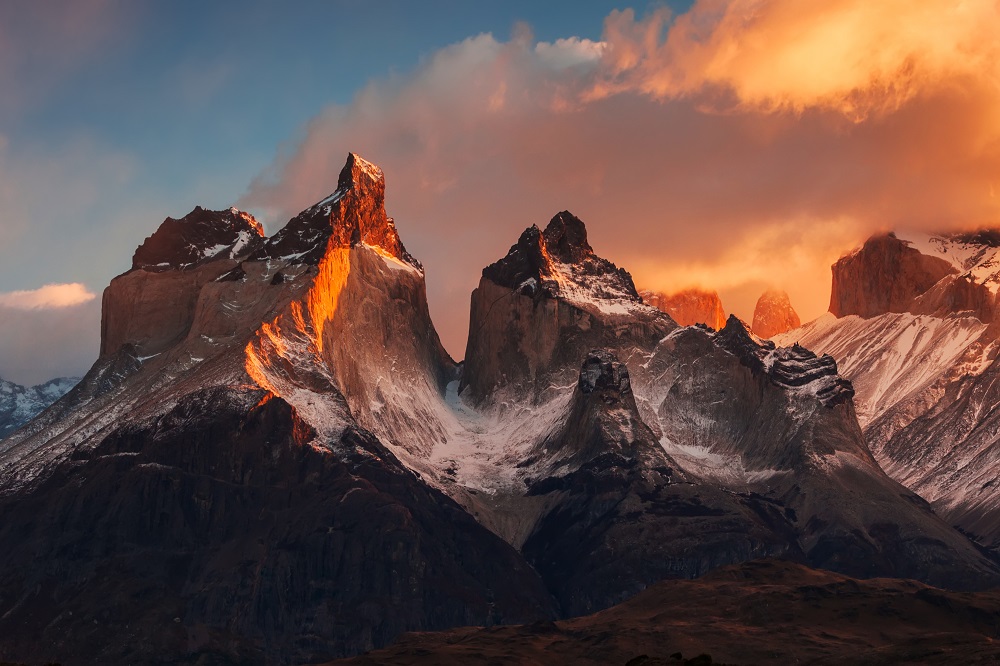
A well built Atacama Desert itinerary covers a wider mix of landscapes than most first time visitors expect. Close to town, Valle de la Luna (Moon Valley) and Valle de la Muerte (sometimes called Death Valley) sit in the Domeyko mountain range and offer salt crusted caverns, clay dunes, and sunset views over rock formations that shift from chalky white to deep red as the light drops.
Further out, the Salar de Atacama salt flat holds Laguna Cejar and the Baltinache lagoons, where the water is so mineral dense that you float without trying, plus Chaxa Lagoon inside the Los Flamencos National Reserve, one of the more reliable places in Chile to see wild flamingos feeding. Higher again, Piedras Rojas, Laguna Miscanti, and Laguna Miñiques sit above 4,000 meters near the villages of Toconao and Socaire, backed by the Licancabur volcano. At the top of the ladder sits El Tatio Geysers, and after dark, the same clear, dry, high altitude air that punishes your lungs during the day is exactly why the region hosts the ALMA Observatory and ranks among the best places on Earth for stargazing.
Why Altitude Acclimatization Should Drive Your Atacama Desert Itinerary
General high altitude travel medicine guidance notes that symptoms such as headache, nausea, dizziness, and fatigue can start to appear once you climb above roughly 2,500 meters, which is essentially where San Pedro de Atacama already sits. Push straight up to El Tatio at 4,320 meters or the Altiplanic Lagoons above 4,000 meters on your first day, and you are asking a body that has not adjusted yet to work at nearly the cruising altitude of a commercial jet.

Image source: Pixabay
Pro Tip: Start hydrating the day before you even land in Calama, not once you arrive. The desert air is so dry that sweat evaporates before you notice it, so you can be seriously dehydrated well before you ever feel thirsty. Drink roughly twice what feels necessary for the first 48 hours.
How Many Days in the Atacama Desert Do You Actually Need
Most travelers need four days in the Atacama Desert to cover the main highlights without rushing between high altitude excursions. Three days works if your schedule is tight, and five days or more suits slower travelers, photographers, or anyone continuing on to Bolivia's Uyuni Salt Flats.
3 Days in the Atacama Desert
A three day Atacama itinerary is fast paced and physically demanding. You can still cover Valle de la Luna, Piedras Rojas, and El Tatio, but you will be moving from one early wake up call to the next with almost no built in recovery time. It works for travelers on a strict schedule, but I would not recommend it for anyone arriving straight off a long international flight.
4 Days in the Atacama Desert (The Sweet Spot)

If I had to choose one length for an Atacama Desert itinerary, I would pick four days without hesitating. It gives you enough time to space out the highest altitude excursions, fit in a proper stargazing night, and build in an afternoon nap after the brutal El Tatio wake up call, without stretching the trip so long that it eats into time you had planned for Santiago or Bolivia.
5 Days or More in the Atacama Desert
A five day Atacama trip suits photographers who want repeat visits to the same valley at different light, families who need slower mornings, or travelers planning to continue overland toward the high altitude Uyuni route into Bolivia. That crossing adds its own acclimatization considerations, since parts of the route sit even higher than San Pedro's excursions, so the extra buffer days are genuinely useful rather than just a nice to have.
Option | Key Feature | Best For | Typical Cost Range | Pace Rating |
|---|---|---|---|---|
3 Day Atacama Itinerary | Covers Moon Valley, Piedras Rojas, El Tatio in a tight loop | Short layovers, strict schedules | Lower total cost, fewer nights | Fast, tiring |
4 Day Atacama Itinerary | Adds a recovery afternoon and a dedicated stargazing night | Most first time visitors | Moderate, one extra night | Balanced |
5 Day Atacama Itinerary | Room for sandboarding, biking, and a slower pace | Photographers, families, slower travelers | Higher, two extra nights | Relaxed |
Self Drive Rental Car | Full control over timing at every stop | Confident drivers, flexible schedules | Rental cost plus fuel | Flexible |
Guided Tour Package | Local commentary, meals, and pickups included | First timers who want zero navigation stress | Per tour booking fees | Structured |
Recommendation: unless you are genuinely tight on time, build your Atacama Desert itinerary around four days. It is the length that respects the altitude without wasting a day you could have spent somewhere else in Chile.
The Atacama Elevation Ladder: A Day by Day Atacama Desert Itinerary
Here is how I would actually sequence a four day Atacama Desert itinerary using the Elevation Ladder framework, climbing gradually instead of jumping straight to the highest point.
Day 1: San Pedro, Valle de la Luna, and Getting Your Bearings
Resist the urge to book a full day tour on your first morning. Use it to walk San Pedro's unpaved streets, lined with low adobe buildings that feel closer to a film set than a modern town. Change some cash and pick up water, since many small shops and park entrance gates outside town still do not take cards, and local ATMs frequently run dry or go offline for stretches. Language wise, basic Spanish goes a long way outside the main tourist strip.

Image source: Pexels
Save the afternoon for Valle de la Luna, just outside town in the Domeyko range. Walking through it, the silence is broken by faint, metallic cracking sounds, the salt crust expanding and contracting as the heat shifts. The salt caverns require ducking through tight rock gaps, so if you are claustrophobic, stick to the upper ridge paths instead. Most visits end at the Mirador de Kari overlook for sunset, when the salt crust turns from chalky white to copper and deep red. If you want the same lunar landscape without the tour bus crowds, Vallecito is a quieter alternative nearby, complete with an abandoned bus sitting in the sand that makes for good photography without anyone else in frame.
Day 2: Piedras Rojas and the Altiplanic Lagoons
By day two your body has started adjusting, which makes it a reasonable time to climb toward the Salar de Atacama and the high altitude lagoons. Driving south from San Pedro, you pass through Toconao and Socaire, small oasis villages where terraced crops are still farmed using centuries-old snowmelt channels.

Image source: Pexels
As you climb above 4,000 meters, the vegetation disappears and Licancabur volcano dominates the skyline. At Piedras Rojas, dark red volcanic rock meets pale turquoise water in a contrast that genuinely stops conversation in the car. The wind at this altitude is constant and biting, even when the sun feels warm on your face, so layer accordingly. Keep an eye out along the road for wild vicuñas grazing on golden straw grass and shy vizcachas sunning themselves on rocks. On the way back, most routes pass Chaxa Lagoon inside the Los Flamencos National Reserve, one of the better places in Chile to watch wild flamingos feed on brine shrimp across the crusted salt pans.
Day 3: El Tatio Geysers and the Salt Lagoons
This is the hardest morning of most Atacama trips. Pickup for El Tatio Geysers is typically between 4:00 and 4:30 in the morning, and the site itself sits at 4,320 meters, making it one of the highest geyser fields in the world and, by most counts, the third largest on the planet after Yellowstone in the United States and the Valley of Geysers in Russia. Temperatures at the site can sit well below freezing at sunrise, which is also exactly when the steam columns are most dramatic against the cold air.

Image source: Pexels
Bring thermal base layers, a heavy jacket, a windproof shell, a warm hat, and insulated gloves, plus lip balm with SPF for the dry wind. On the way back down, the tiny hamlet of Machuca is a good stop for grilled llama skewers or hot cheese empanadas after a freezing morning.
I rushed my own three day Atacama itinerary once and tried to fit El Tatio’s 4:00 a.m. start and a full Piedras Rojas excursion into the same day. By early evening, I was exhausted, dizzy, and had to skip the stargazing tour I had already booked. Since then, I have been much more careful about how I arrange high altitude days. After an early morning trip to 4,320 meters, I now leave a couple of hours to rest before planning anything else.
Once you have rested, head out to Laguna Cejar or the Baltinache lagoons in the afternoon. These sinkholes sit in a stark white salt flat, and the salt concentration is high enough that you float on the surface without effort, similar to the Dead Sea. Rinse off at the site's showers immediately afterward, because once the water evaporates off your skin, it leaves a tight, itchy layer of salt crystals behind.
Day 4 and 5: Sandboarding, History, and Stargazing

Image source: Pexels
With a fourth or fifth day, you can shift from mandatory sights to slower, more active experiences. Valle de la Muerte offers sandboarding on tall clay dunes, though sand behaves nothing like snow, and every short run down requires a long, exhausting climb back up through loose sand at roughly 2,400 meters. For a calmer day, rent a mountain bike and ride out to Pukará de Quitor, a 700 year old pre Inca fortress on a cliff above the San Pedro River, and continue on to Garganta del Diablo, a narrow canyon with clay walls that offer welcome shade.
At night, the Atacama's high altitude, near zero humidity, and minimal light pollution are exactly why major projects such as the ALMA Observatory are based here. A guided night tour with an astronomer under a sky where the Milky Way stretches horizon to horizon is one of the more genuinely humbling things you can do on this trip. Just check the lunar calendar before booking, since a full moon washes out the fainter stars and defeats the entire point of the tour.
Getting to San Pedro de Atacama from Santiago
Most Atacama Desert itinerary plans start with a flight from Santiago (SCL) to Calama Airport (CJC), roughly a two hour domestic flight covering the distance from central Chile to the country's arid north, followed by a road transfer to San Pedro de Atacama.

Image source: Pexels
Santiago to Calama: The Flight
Several domestic carriers fly the Santiago to Calama route multiple times a day, which makes it easy to fit into most trip schedules without an overnight stop. Book this leg well before your travel dates during the shoulder and summer seasons, since seats on early morning departures tend to sell out first.
Calama Airport to San Pedro de Atacama
From Calama, it is about 85 kilometers, roughly an hour and a half, to San Pedro de Atacama across an open, barren plateau. Most travelers book a pre arranged shared shuttle that drops passengers directly at their accommodation, which removes any need to navigate on your first, often tired, day. If you would rather have your own vehicle from the moment you land, you can pick up a rental car directly at Calama Airport instead, and it is worth booking your Chile car rental ahead of time so you are not comparing options at the counter while jet lagged.
Self Drive vs Guided Tours for Your Atacama Desert Road Trip
Both self driving and guided tours can support a strong Atacama Desert itinerary, and the right choice depends mostly on how comfortable you are navigating unpaved roads and how much you value flexibility over convenience.
When Self Driving Wins
Renting a car gives you full control over timing, lets you reach popular spots before the tour buses arrive, and lets you linger somewhere that catches your eye. If you plan to self drive, get a 4WD or high clearance vehicle for the unpaved dirt roads outside town, confirm whether it is manual or automatic before you sign anything, and keep your fuel tank topped up, since gas stations outside San Pedro are essentially nonexistent.
Road conditions change considerably once you leave the main highways, so driving in Chile requires more planning on remote desert routes. Most rental counters will also ask for an international driving permit alongside your home license, so confirm that requirement before you fly.
Before you book, check the fuel policy, particularly when your route includes long stretches between stations, and confirm the minimum age requirement if you are traveling with a younger driver in the group.
When a Guided Tour Wins
Booking guided excursions removes navigation stress entirely, usually includes meals on the longer days, and gives you a local guide who can explain the geology and Indigenous history behind what you are seeing, something a self guided drive will not give you. Agencies along San Pedro's main street often price package bundles more competitively than booking individual tours online months in advance.
Factor | Self Drive Rental Car | Guided Tour | Best For | Watch Out For |
|---|---|---|---|---|
Timing control | Full freedom to set your own pace | Fixed pickup and return times | Photographers, flexible travelers | Losing daylight if you linger too long |
Navigation | You handle unpaved roads yourself | Driver and guide handle it | First timers who want zero stress | Unmarked turns on desert tracks |
Cost structure | Rental plus fuel, no per person fee | Per person tour pricing | Groups or families sharing a car | Fuel planning between stations |
Local knowledge | Self researched | Included from a local guide | History and geology enthusiasts | Variable guide quality |
Vehicle requirements | 4WD recommended, confirm transmission | Not applicable | Confident, experienced drivers | Ordinary sedans struggling on dirt roads |
The 5 Step Atacama Booking System below is the order I would actually work through when planning this trip, whether you land on self drive, guided tours, or a mix of both.
Choose your trip length first. Three, four, or five days changes every other decision that follows, so lock this in before booking flights.
Book your Santiago to Calama flight and, if self driving, your car rental at the same time, since early morning arrivals sell out fastest in shoulder and summer season.
Decide between self drive and guided tours for each excursion. It does not have to be all one or the other. Many travelers self drive the lower valleys and book a guided trip for El Tatio, since the pre dawn drive in the dark is genuinely easier with a local driver.
Sequence your high altitude days using the Elevation Ladder, starting low on day one and saving El Tatio and the Altiplanic Lagoons for once you have adjusted.
Build in at least one true recovery block, ideally the afternoon after El Tatio, rather than stacking every excursion back to back.
Best Time to Visit the Atacama Desert in Chile
The best time to visit the Atacama Desert in Chile is generally the shoulder seasons, March through May and September through November, when daytime temperatures are comfortable for hiking and the summer crowds have not yet arrived.
Shoulder Season vs Peak Summer vs Winter Stargazing Season
December through February is peak season, with warm days that suit outdoor activities but noticeably busier trails and viewpoints. The shoulder months trade a little of that warmth for quieter valleys and still comfortable daytime temperatures. June through August brings crisp, clear daytime weather but genuinely freezing nights and early mornings, which matters most if your Atacama Desert itinerary includes a 4:00 a.m. departure for El Tatio. January and February also carry a small chance of what locals call the Bolivian or Altiplanic Winter, brief but intense high altitude rainstorms that can trigger flash floods and close parks such as Valle de la Luna or Piedras Rojas on short notice.
The Moon Phase Mistake That Ruins Atacama Stargazing
Do not book an expensive astronomy tour during a full moon. The moon's reflection lights up the desert floor brightly enough that faint galaxies, nebulas, and star clusters simply disappear from view. Check the lunar calendar before locking in your dates, and aim for the days around the new moon if a clear view of the Milky Way is a priority for you. If you are combining the Atacama with Patagonia, the Lake District or central Chile, when to visit Chile becomes more important because seasonal conditions vary sharply between regions.
Atacama Desert Packing List and Common Mistakes to Avoid
The single biggest packing mistake in the Atacama is dressing for daytime heat and forgetting that temperatures can swing roughly fifty degrees Fahrenheit between afternoon and the pre dawn hours at El Tatio.
Atacama Desert Packing List
Thermal base layers, top and bottom, for the pre dawn El Tatio excursion
A heavy fleece or down jacket plus a windproof outer shell
A warm beanie and insulated gloves
Lightweight, breathable layers for warm midday sun
Lip balm with SPF and strong sunscreen, since UV exposure is intense at altitude
Cash in Chilean pesos, since ATMs in San Pedro can run dry and many entrance fees are cash only
A refillable water bottle and more water than you think you will drink
A basic Spanish phrasebook or translation app for smaller villages
Common Mistakes That Wreck an Atacama Desert Itinerary
Skipping acclimatization and heading straight to a 4,000 meter excursion on day one
Assuming every shop, park entrance, or small restaurant accepts cards
Booking every excursion back to back with no recovery time after El Tatio
Ignoring the moon phase before booking a stargazing tour
Renting an ordinary sedan for routes that actually need a 4WD or high clearance vehicle
Forgetting that fuel stations outside San Pedro are scarce, which can strand a self drive trip
A few of these mistakes are rental specific rather than desert specific. Off road driving can fall outside the rental agreement, so check the permitted vehicle use before you collect the keys, and confirm your insurance coverage and security deposit details ahead of pickup.
Frequently Asked Questions
How many days do you need in the Atacama Desert?
Most travelers need four days in the Atacama Desert. Three days covers the highlights but leaves little recovery time between early wake up calls, while four days lets you space out the high altitude excursions and add a proper stargazing night without rushing.
What is the best time to visit the Atacama Desert in Chile?
The best time to visit is during the shoulder seasons, March through May and September through November, when daytime temperatures are comfortable and crowds are lighter than the December to February peak season.
How do you get from Santiago to the Atacama Desert?
You fly from Santiago to Calama Airport, a flight of roughly two hours, then travel about 85 kilometers by shuttle or rental car to San Pedro de Atacama, which takes around an hour and a half.
Is 3 days enough for an Atacama Desert itinerary?
Three days is enough to see the main sites, including Valle de la Luna, Piedras Rojas, and El Tatio, but it is a fast and physically demanding pace with little room for altitude recovery. Four days is more comfortable for most first time visitors.
Can you self drive around the Atacama Desert?
Yes, self driving is a popular option and gives you full control over timing. You will want a 4WD or high clearance vehicle for the unpaved roads outside San Pedro, and you should plan fuel stops carefully since stations are scarce once you leave town.
What should be on your Atacama Desert packing list?
Pack thermal layers for the freezing pre dawn El Tatio excursion, lighter clothing for the warm midday sun, strong sun protection, cash in Chilean pesos, and more water than feels necessary, since the dry air hides dehydration until it is already a problem.
Is an Atacama Desert itinerary worth the altitude risk?
Yes, as long as you sequence your days by elevation rather than by attraction. Spending your first day or two at San Pedro's lower altitude before climbing toward El Tatio or the Altiplanic Lagoons significantly reduces the risk of altitude related symptoms.
What is the distance from Santiago to the Atacama Desert?
Santiago to Calama covers roughly the length of the country by air, about a two hour flight, and from Calama it is a further 85 kilometers by road to San Pedro de Atacama.
How much does an Atacama Desert itinerary cost?
Costs vary widely depending on whether you self drive or book guided tours, how many days you stay, and your accommodation choice. A self drive trip generally spreads costs across a rental and fuel rather than per person tour fees, while guided packages bundle transport, meals, and a driver into one price.
Can you combine an Atacama Desert itinerary with the Uyuni Salt Flats?
Yes, many travelers with five or more days continue overland from San Pedro de Atacama into Bolivia toward the Uyuni Salt Flats. That route climbs even higher than most Atacama excursions, so the extra acclimatization time from a longer Atacama stay genuinely helps.
Conclusion
A strong Atacama Desert itinerary comes down to three things: giving your body time to adjust before you climb toward El Tatio or the Altiplanic Lagoons, choosing a trip length that matches your pace rather than a generic list, and deciding early whether self driving or a guided tour suits how you travel. Get those three right and the desert stops feeling like an endurance test and starts feeling like the strange, striking place it actually is, where snow capped volcanoes tower over turquoise salt flats and the night sky feels close enough to touch.
Next steps:
Pick your trip length using the comparison table above and lock in your Santiago to Calama flight
Decide between self drive and guided tours for each day using the Elevation Ladder sequencing
Sort your rental car, documents, and packing list well before you land in Calama
If you are planning to explore Chile by road, Final Rentals makes it easy to arrange your car before you arrive. With flexible booking and transparent pricing, you can spend less time worrying about the rental counter and more time watching the light change over the salt flats. Book your reliable car rental with Final Rentals before your trip.
Author Bio
Jean Genevieve is a travel and car rental content specialist at FinalRentals, creating practical travel content that showcases partner locations worldwide. Her work focuses on helping international travellers understand rental requirements, driving considerations, road conditions, insurance and self drive planning before they travel.
Sources and Methodology
Statistics and factual claims in this article were checked against the following categories of sources at the time of writing: geological references on El Tatio's elevation and ranking among the world's geyser fields, general high altitude travel medicine guidance on altitude illness thresholds, and established travel and tourism resources covering Atacama seasonality. Where a figure could not be independently verified for the current year, it was left out rather than estimated.