How to Drive in Australia? Essential Rules and Tips for Visitors and First-Timers
March 25th 2026
Driving in Australia can be a little different from what you are used to back home. The rules, the roads, and even the side of the road you drive on might be new to you.
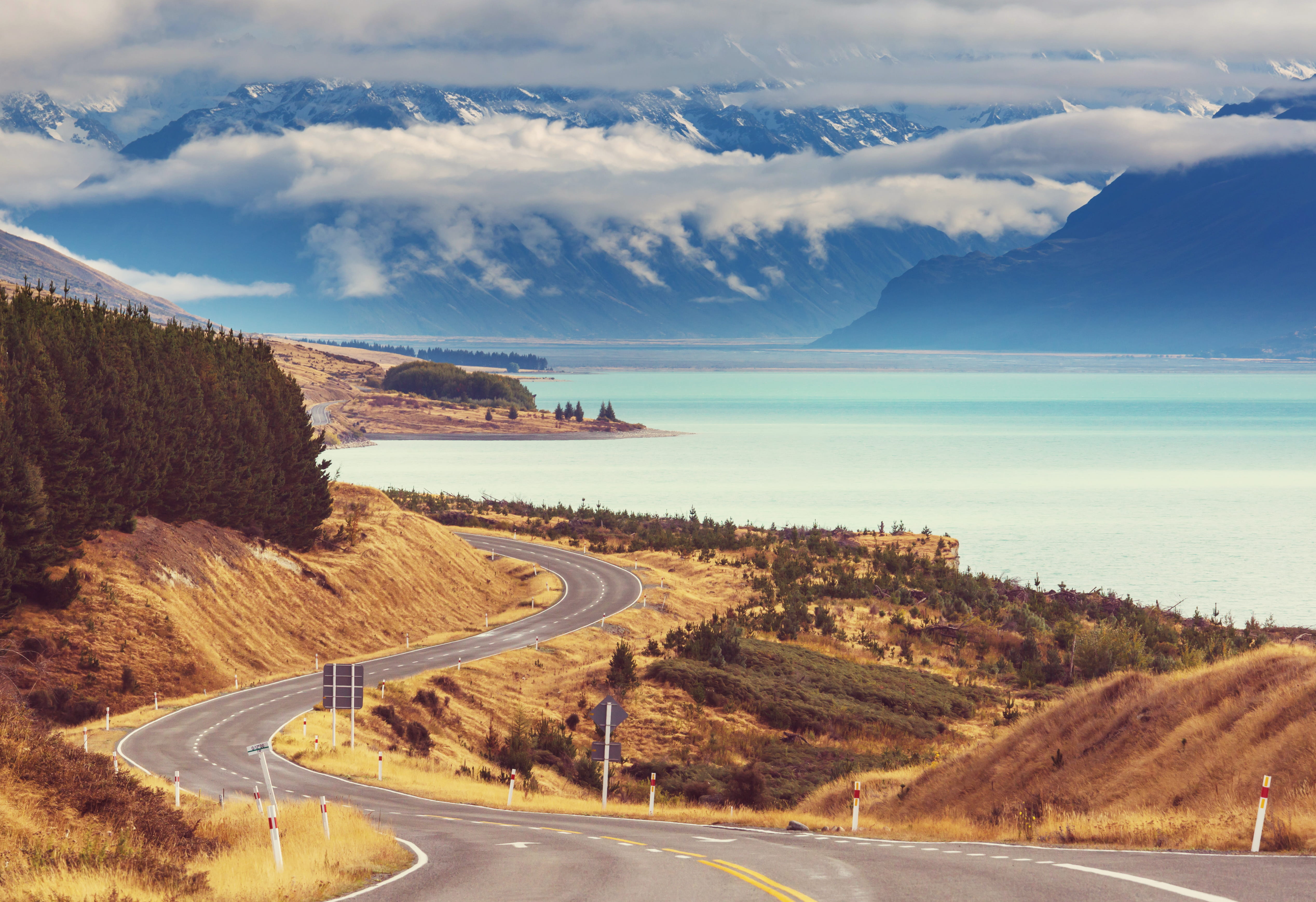
Whether you want to hug the beautiful coastlines or head off on a rugged outback adventure, you will find plenty of scenic routes to explore.
If it is your first time driving here, we encourage you to take the time to learn the road rules. You must be familiar with the regulations of Australian roads.
If you are a visitor, then renting a reliable car in Australia is the best way to get around this incredible country. We want you to have an amazing experience, but we also want you to stay safe.
Here is everything you need to know about how to drive in Australia.
Driving in Australia: What You Need to Know
1. Getting Legal: Licences and Rules for Visitors
Before you even turn the key in the ignition, you need to make sure you are legal. Australia has strict laws about who can drive, and police do check licences regularly.
Can I Use My Foreign Licence?
As an international visitor, the good news is that you are able to drive in Australia with your foreign licence for three months. However, there is a catch. Your licence must be in English.
If your licence is in English: You are good to go! Just make sure you carry it with you every time you drive.
If your licence is NOT in English: You will need to get an International Driving Permit (IDP) from your home country before you travel. You cannot get this once you arrive in Australia; you must get it at home.
No Photo on Licence? If your foreign licence does not have a photo on it, you must carry a formal photo identification document with you, such as your passport.
What If I Stay Longer Than Three Months?
If you intend to drive longer than three months in Australia, the rules change. You will need to get a driver's licence from the State or Territory in which you intend to do most of your driving. Each state has its own transport authority, so you will need to visit their office to swap your licence.
UK Drivers Specifics
If you are coming from the United Kingdom, you can use a UK photocard driving licence to drive in Australia if you remain a temporary overseas visitor.
If you still have an old paper driving licence, you may need to update it to a photocard licence or get the 1949 version of the international driving permit (IDP) as well.
If you plan to stay in Australia and have a permanent visa, you can drive using your UK licence for up to three months. To continue driving after that, you must get an Australian licence within these three months.
Car Hire Company Requirements
Please note that hire car companies, including Final Rentals, often have stricter requirements than the law. We might require you to have held your licence for at least one year.
We also have a higher minimum age requirement for certain vehicles. Always check your booking confirmation to see if you need an IDP even if your licence is in English, as some insurance policies require it.
2. The Big Change: Driving on the Left
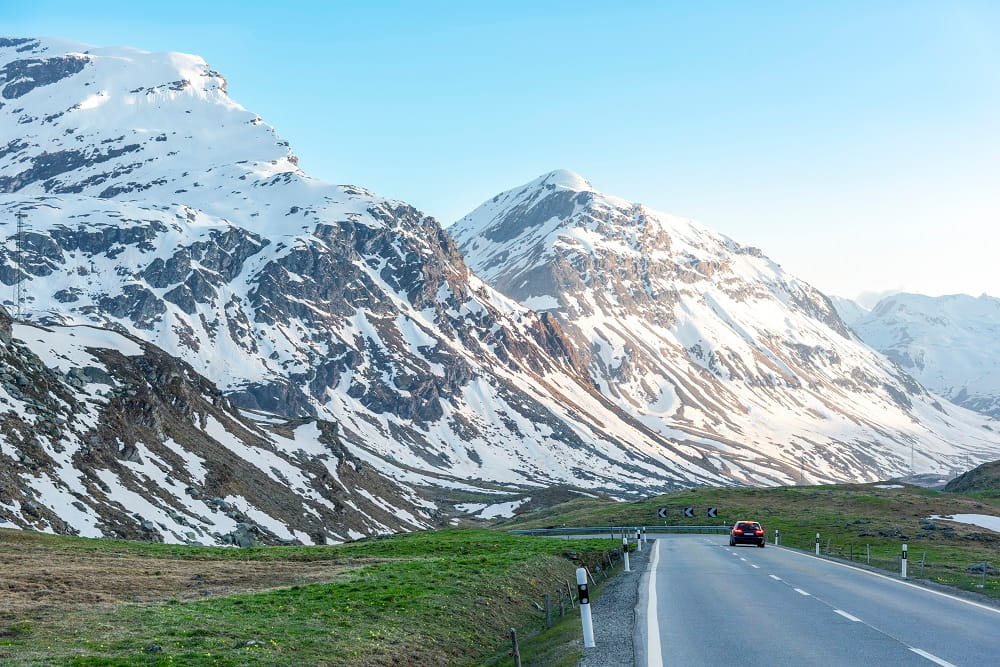
The most important thing you need to know about driving in Australia is that we drive on the left. If you have grown up driving on the right side of the road, like in the USA or Europe, this will be your biggest adjustment.
How to Remember
It can be confusing at first. Here is a simple trick to remember: The driver should always be close to the centre of the road. When you sit in your car, you will be on the right-hand side of the vehicle. This puts you closer to the middle of the road, which helps you judge your position.
Stay in the Left Lane
You must stay in the left lane unless you are overtaking another vehicle. Always pass on the right. Think of the left lane as your "home" lane. Only move to the right lane to pass slower cars, and then move back to the left when you are done.
Understanding Road Lines
Broken White Line: A broken white line in the middle of the road means you can overtake if it is safe to do so.
Double Lines: If there are two lines, you can only overtake when the one closest to you is broken. If the line closest to you is solid, you must not cross it to overtake.
Roundabouts (Traffic Circles)
Roundabouts are very common in Australia. They operate in a clockwise direction. This is the opposite of countries that drive on the right.
The Rule: You must give way to the right. This means if there is a car coming from your right side entering the roundabout, you must wait for them to go first.
Intersections: You also need to give way to the right at most intersections.
Getting Used to the Car Controls
If you are driving a manual (stick shift) car, you will need to get used to changing gears with your left hand, rather than your right. This feels very strange at first! Also, indicators (turn signals) and windscreen wipers may be on the opposite side of the steering wheel than you are used to. Don't worry, the brake and accelerator pedals are always in the same place. The brake is on the left, the accelerator is on the right.
Essential Tip: When you pick up your rental car, take five minutes to sit in the driver's seat before you start the engine. Locate your indicators, wipers, and lights. It is much better to find them in the parking lot than while you are in traffic.
3. Family Matters: Driving with Children
Australia is a fantastic destination for families. However, driving with kids comes with special rules to keep them safe. If you are travelling with your family, you need to be extra careful.
Child Restraints are Compulsory
Seatbelts are compulsory for everyone in Australia, but children have special rules.
Under 7 Years Old: Children under 7 must be in a child restraint appropriate for their size and weight. You cannot just put them in a regular seatbelt.
Baby Capsules: Babies need a rear-facing capsule.
Booster Seats: Older children need booster seats until they are big enough for an adult seatbelt.
Renting Child Seats
If you are flying into Australia, you might not want to carry heavy car seats with you. You must book these in advance when you make your car reservation. Please let us know the age and weight of your children so we can provide the correct child seat.
Safety Tips for Kids in the Car
Never Alone: Never leave children alone in a car, even for a minute. Australian summers are very hot, and cars heat up quickly.
Door Locks: Use the child lock on the rear doors so children cannot open them while the car is moving.
Entertainment: Distances in Australia are vast. To keep kids happy, bring tablets, books, or snacks. There are many rest stops on the roads where you can stop and let them run around.
Jet Lag Warning: If you are hiring a car immediately on arrival, be cautious about driving. You might be jet-lagged and tired from your flight. Take regular rest breaks at the many rest stops on the roads. It is safer to take a taxi to your hotel and sleep before starting your road trip.
4. City Streets vs. The Outback
Australia is a huge continent. Driving in Sydney is very different from driving in the Northern Territory. You need to adjust your driving stle depending on where you are.
City Driving
In cities and large towns, traffic can be heavy.
Speed Limits: The speed limit in urban areas is usually 50 kilometres per hour unless otherwise signposted.
Parking: Always park on the left-hand side of the road. It is illegal to park facing oncoming traffic. Check for any parking signs. For example, "2P" means you can park for two hours. "3P" means three hours. The rules are strictly enforced, and if you overstay the allowed time, you may be fined.
Lanes: Pay attention to lane markings. Some lanes are for buses or taxis only during certain times.
Outback and Remote Driving
Regional and outback areas have different challenges in Australia.
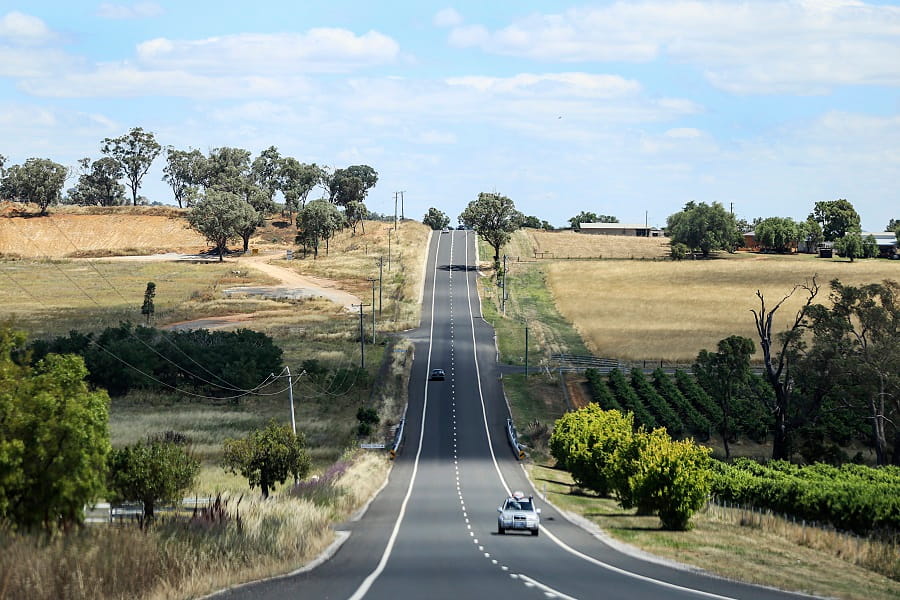
Distances: Distances are vast across the whole of Australia, in particular the Northern Territory and Western Australia. Do not underestimate the travelling time required. Check distances carefully when planning your itinerary. Allow an average speed of 80 kilometres per hour in your calculations for travel on bitumen (sealed) roads.
Road Conditions: Most major roads are sealed and well signposted. However, some regional and outback areas have dirt roads. Only 4WD vehicles are permitted to drive on unsealed roads. A 2WD vehicle may only drive on unsealed roads when accessing National Parks or holiday accommodation. 2WD cars are not permitted on Kangaroo Island's unsealed roads.
Night Driving: Night driving is not permitted in the Northern Territory, Kimberley region, and remote parts of Western Australia and Kangaroo Island. This is because of the risk of hitting animals in the dark.
Road Trains: In the outback, you will see "road trains." These are trucks with multiple trailers. They can be up to 50 metres in length and weigh in excess of 50 tonnes.
Caution should be shown when overtaking. They create a lot of dust and wind, so hold your steering wheel firmly when they pass you.
Fuel in Remote Areas
Fuel is easy to find in cities, but not in the outback.
Servos: In Australia, gas stations are known as petrol stations, but most people just call them "servos" (short for service station). In remote areas, they are often called roadhouses and will have cafes and accommodation attached.
Planning: Petrol stations can be several hundred kilometres apart. Always ensure fuel requirements are estimated conservatively. If you are planning to drive in a remote area, it is wise to carry a spare container of fuel.
Fuel Types: Most cars run on unleaded petrol. Many 4WDs and campervans use diesel. In some Aboriginal communities, they sell Opal fuel instead of petrol. This is fine to use in any vehicle that normally runs on regular unleaded petrol.
Hours: In cities, fuel is generally available 24 hours. In country areas, especially in the outback, servos may be closed at night and on weekends. Plan your fuel stops during the day.
Weather and Water
Occasionally, in the Wet Seasons, roads may become impassable through flooding. Do not attempt to travel through a submerged section of road unless it is absolutely safe to do so. Some crossings are often deeper than they appear.
Travelling fast through water can be dangerous and cause vehicle damage for which the renter is responsible.
It is advisable to always carry water. In remote areas, if your car breaks down, you might be there for a while. Tell someone about your plans and stay with your vehicle if it breaks down.
5. Staying Safe: Alcohol, Phones, and Seatbelts
Safety is the number one priority for Final Rentals and Australian authorities. The penalties for breaking safety laws are severe.
Blood Alcohol Limit
The blood alcohol limit is 0.05. This is quite low. It means you can have maybe one drink, but it is safer to have zero.
Random Tests: Police conduct random breath and drug tests on roadsides all across the country.
Criminal Offence: It is a criminal offence to drive under the influence.
Probationary Drivers: If you hold a probationary or provisional driver licence, your blood alcohol level must be 0.00% at all times.
Drugs: Driving after taking drugs that affect your ability to drive is illegal, and penalties are severe.
Mobile Phones
It is illegal to use a mobile phone while driving. This rule is very strict.
Stopped at Lights: You cannot use your phone even if you are stopped at traffic lights or stuck in traffic.
Navigation: If you are using your phone for navigation, make sure you have a hands-free cradle for it. You cannot hold the phone in your hand.
Fines: This will attract a fine and, in some States, demerit points on your licence.
Seatbelts and Helmets
Seatbelts: All vehicle occupants must wear seat belts. There are no exceptions. If you are caught without one, you will be fined.
Helmets: If you are riding a motorbike, scooter, moped, e-bike, or bicycle, you must wear a helmet. Helmets must comply with Australian Standard AS/NZS 1698. The standard label or sticker certifying compliance must be clearly visible.
Speeding Fines
Don't be tempted to speed. Highway police are very strict about enforcing speed limits. In some states, even driving one or two kilometres over the limit is enough to get you charged. Hidden speed cameras are widely used.
Remember, Australia uses the metric system, so all measurements and speed limits are in kilometres, not miles. Most other roads have a maximum speed limit of 100 kilometres per hour, although some highway stretches allow 110 kilometres per hour.
On all open roads, however, lower speed limits are frequently indicated, particularly around schools. You should always drive to suit the weather conditions.
6. Emergency Prep and Roadside Assistance
Even with the best planning, things can go wrong. Knowing what to do in an emergency can save your life.
Emergency Numbers
000: This is the number for emergency services in Australia. This can connect you to the police, Ambulance, or the Fire Brigade. Only call 000 in an emergency.
13 11 11: This is the number for Roadside Assistance (24 hours Australia-wide). If your vehicle breaks down, call this number first.
Wandering Animals
Nearly all of the Northern Territory and Western Australia is cattle station country. Hence, most roads are unfenced. Please be aware that cattle, buffalo, horses, or kangaroos can wander across the road at any time.
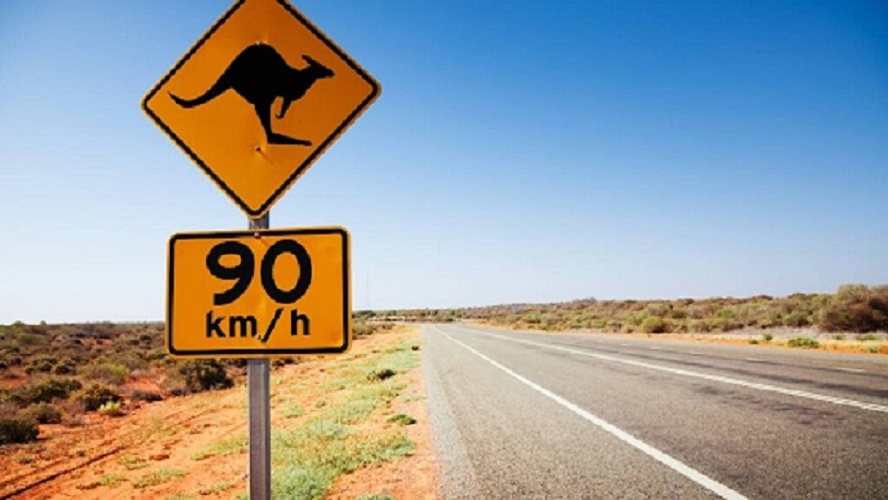
Image by Real Insurance
Kangaroos: They are most active at dawn and dusk. This is another reason why night driving in the outback is discouraged.
What to do: If you see an animal, slow down. Do not swerve violently if it might cause you to lose control of the car.
K'gari (Fraser Island) Special Rules
Driving on K'gari (Fraser Island) has unique rules. Following a number of serious accidents, all vehicles on K'gari must not drive faster than 80km/h on beaches and 30km/h in towns.
Four-wheel-drive vehicles must have no more than 8 occupants, including the driver. You must store all luggage inside the vehicle. Avoid driving at night and be aware of beach hazards like ditches created by the surf.
K'gari is remote, and emergency services can take many hours to reach an accident. Carry a well-stocked first-aid kit and personal medication, as there is no pharmacy on the island.
Aussie Road Etiquette
Once you leave the major cities, traffic is light, and most drivers are polite.
The Wave: Waving hello to fellow motorists is an Aussie tradition. Most drivers will give a small wave to say thanks if you have let them in to a gap in traffic, or moved over on a narrow country road to let them pass. It is expected that you will wave back in thanks if they help you out, too.
Horns: Aussies rarely use their car horn, except for emergencies. Do not honk unless you need to avoid a crash.
7. Driving a Rental Car in Australia
Driving a rental car comes with its own set of responsibilities. We want your experience to be smooth from start to finish.
The Pick-Up Inspection
When you arrive to collect your car, do not rush. You will be given a condition report. This is a document that lists any existing scratches or dents on the car.
Check Everything: Walk around the car with the staff. Look at the bumpers, the wheels, and the windscreen.
Take Photos: Use your phone to take photos or a video of the car from all angles. This protects you if someone claims you damaged the car later.
Ask Questions: If you don't know how to open the fuel cap or operate the GPS, ask the staff.
Insurance and Excess
Hire car insurance is vital. When you book a rental car with Final Rentals, you will be offered different levels of coverage.
Basic Coverage: Usually comes with a high "excess." This is the amount you pay if the car is damaged.
Reduced Excess: You can pay extra to lower this amount.
Important: Hire car insurance often does not cover driving on unsurfaced roads. If you plan to go off the beaten track, check your policy before you set off. Driving on a dirt road when your insurance forbids it can void your coverage completely.
Tolls and Electronic Tags
Many of the motorways in capital cities (like Sydney, Melbourne, and Brisbane) are toll roads. You cannot pay cash at these gates; you need an electronic tag or pass.
Hire a Tag: You can hire an electronic tag along with your car from Final Rentals. This is the easiest option.
Visitor Pass: You can buy a visitor pass from the local state roads and traffic authority website before you hit the road.
Pay Later: In most cases, you can also pay online up to three days after you use the road. The website or a phone number will be displayed at the toll gates.
Warning: If you use a toll road without paying, the fine is significant. The fines are sent to your car hire company and if you don't pay, it could come off your credit card or security bond.
Returning the Car
When you return the rental vehicle, make sure you fill the fuel tank to the level it was when you picked it up (usually full). If you return it empty, you will be charged a high fee for the fuel plus a service fee.
8. Understanding Traffic Fines and Demerit Points in Australia
In Australia, if you break a traffic rule, you might receive what is called an "infringement notice." That is just a fancy way of saying a fine. And depending on what you did, you might also get "demerit points" added to your driving record.
What Are Demerit Points?
Think of demerit points like a strike system. When you commit a driving offence that has demerit points attached to it, those points are recorded against your licence. The more serious the offence, the more points you get. Demerit points usually range from 1 to 4.
These points do not disappear quickly. They stay on your record for three years. If you collect too many points within that time, your licence could be suspended. That means you cannot drive legally for a set period. The number of points you are allowed before suspension depends on the type of licence you hold. For example, a full licence holder can usually accumulate more points than a learner or probationary driver.
If you want to check how many demerit points are on your licence, you can visit the VicRoads website or the transport authority website for the state you are driving in. It is a good idea to check this before you start your trip, especially if you have been driving in Australia for a while.
Speeding Fines: How Much Does It Cost?
Speeding is one of the most common ways visitors get fined. Australia takes speed limits very seriously, and the fines can be a nasty surprise.
Let's break down what you might face if you are caught speeding in a regular car (not a heavy vehicle).
Just a little over the limit: If you are caught speeding by less than 10 km/h, you are looking at a fine of around $250 and one demerit point. It might not sound like a lot, but it adds up.
10 to 24 km/h over: This is where it gets serious. The fine jumps to about $400, and you get three demerit points. Three points in one go is a big hit to your record.
25 km/h or more over: Now you are in dangerous territory. If you exceed the speed limit by 25 km/h or more, you face an automatic licence suspension. For example, speeding by 25-29 km/h can get your licence suspended for three months. Speeding by 35-39 km/h can mean a six-month suspension. And if you are caught going 45 km/h or more over the limit, you could lose your licence for a whole year. The fine for this can be over $1,000.
Important note for high-speed zones: If you are on a highway with a 110 km/h speed limit and you are caught going between 20-24 km/h over, you can face an automatic three-month suspension, even though that range would only be a fine in a lower speed zone.
These fine amounts are updated every July, so they might change slightly. But the message is clear: do not speed. It is not worth the risk to your safety, your wallet, or your ability to keep driving.
Heavy Vehicle Speeding Rules
If you are driving a large campervan, a truck, or a bus, different rules apply. A "heavy vehicle" is generally one that weighs more than 4.5 tonnes when loaded, or a bus with more than 12 seats. The fines for speeding in these vehicles are much higher.
For example, speeding by less than 10 km/h in a heavy vehicle can cost you around $350 and one demerit point. Speeding by 10-14 km/h can cost about $560 and three demerit points. And if you go 25 km/h or more over the limit, you face automatic licence suspension, just like with regular cars, but with fines that can exceed $2,000. Always check what type of vehicle you are driving and know the rules that apply to it.
Red Light Cameras: Don't Run the Red
Australia uses many cameras to catch traffic offences. Red light cameras are common at intersections. If you fail to stop at a red light or a red light arrow, you will likely receive a fine in the mail. The penalty for this offence is around $500 and three demerit points.
That is a significant hit. Remember, if the light is yellow, you should stop if it is safe to do so. Do not try to "beat the light." It is not worth the risk.
Phone and Seatbelt Cameras: They Are Watching
Technology is helping police keep roads safe. Portable device detection cameras and seatbelt detection cameras are used across Australia. These cameras can spot if you are using a mobile phone while driving or if you are not wearing your seatbelt properly.
Using your phone: If a camera catches you holding or using a portable device like a mobile phone while driving, you will receive a fine of about $600 and four demerit points. Four points is a major penalty. Remember, even holding your phone at a stoplight is illegal. Use a hands-free cradle if you need navigation.
Not wearing a seatbelt: If you or a passenger is not wearing a seatbelt correctly, the fine is around $400 and three demerit points. This applies to the driver, so make sure everyone in your vehicle is buckled up properly before you move.
Driving an Unregistered Vehicle
This is less common for tourists, but it is important to know. If you are driving a vehicle that is not registered, the fines are very high. For a regular two-axle car, the fine can be over $1,000. For larger vehicles with more axles, the fine can be over $1,800. Never drive a private vehicle that you are unsure about.
What If You Are Driving a Company Vehicle?
If you are travelling for work and driving a company car, the rules are a little different. Companies are required to nominate the driver who was responsible for an offence like speeding or running a red light. Once the driver is nominated, the fine is sent to them at the normal rate.
However, if the company fails to nominate a driver, the company itself can be fined. This fine can be over $4,000. And if a company fails to nominate a driver three or more times in a year, the penalty can be huge, over $24,000.
So, if you are driving a work vehicle, make sure you follow the rules. Your employer will not be happy about a big fine because of your driving.
How to Avoid Fines and Points: Simple Tips
Obey the speed limit: Use your car's cruise control on highways to help maintain a steady speed. Pay attention to signs, especially when entering towns or school zones.
Stop at red lights: Always come to a complete stop. Do not try to rush through a changing light.
Put the phone away: Before you start driving, set up your navigation and music. Then, put your phone in the glove box or a hands-free cradle. Do not touch it while the car is moving.
Buckle up every time: Make it a habit. Before you turn the key, everyone clicks their seatbelt. Check that children are in their correct restraints.
Know your vehicle: If you rent a heavy vehicle or campervan, ask our staff about any special rules. Drive at a speed that feels comfortable for the size of the vehicle.
Check your licence status: If you have been driving in Australia for a while, check your demerit points online. Know how close you are to a suspension.
When in doubt, slow down: If you are unsure about a road sign or condition, the safest choice is to reduce your speed. It gives you more time to react.
What to Do If You Get a Fine
If you do receive an infringement notice in the mail, do not ignore it. Fines in Australia are enforced seriously. The notice will explain how to pay or how to dispute the fine if you believe it was issued in error. You can usually pay online. If you ignore a fine, it can lead to additional penalties and could even affect your ability to rent vehicles in the future.
For rental cars, fines are often sent to the rental company first because the car is registered to them. They will then pass the fine on to you, the driver, along with an administration fee.
This is why it is so important to keep your contact details up to date with us. If you get a fine, pay it promptly to avoid extra charges.
Before You Go: A Final Checklist
To make sure your trip is perfect, run through this checklist before you leave the rental depot.
- Licence Check: Do I have my licence, IDP (if needed), and passport?
- Car Inspection: Did I photograph the car and check the fuel level?
- Kids: Are the child seats installed correctly?
- Phone: Is my phone in a hands-free cradle?
- Water: Do I have enough water for the journey, especially if going remote?
- Route: Have I checked the road conditions and weather forecast?
- Emergency Numbers: Do I have 000 and 13 11 11 saved in my phone?
- Tolls: Do I have a toll pass or know how to pay online?
Conclusion
Driving in Australia is an unforgettable adventure, but safety always comes first. From mastering left-hand traffic to respecting speed limits and demerit points, knowing the rules ensures a smooth journey for everyone.
At Final Rentals, we are here to support you every step of the way. We provide well-maintained vehicles, clear instructions, and 24/7 support to ensure your journey is safe.
Take your time, enjoy the scenery, and don't forget to wave to your fellow drivers.